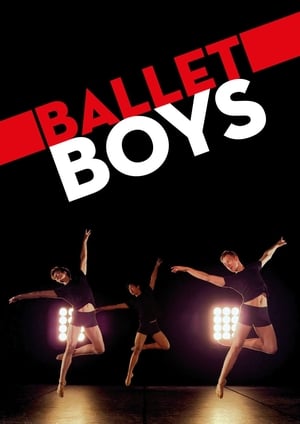
Ballet Boys takes you through disappointments, victories, forging of friendship, first loves, doubt, faith, growing apart from each other, finding your own way and own ambitions, all mixed with the beautiful expression of ballet.
In their spare time, after their studies or their work, children and adolescents between the ages of eight and sixteen meet at the School of Bullfighting in Madrid to learn the Art of Cúchares: Torear. In their stomachs there is no hunger as in the past, their dreams do not lie in having a farmhouse and being famous. Their only dreams are to be in front of a bull, animal with which death goes, fact of which they are fully aware, as their teachers continually remind them. These, retired bullfighters, some by age, others by force and all with their bodies full of scars produced by the horns of a bull. The nude bullfighting scene is fascinating without being exploitive, and it serves as an analogy for the vulnerability these young bullfighters have when in the ring with the bulls.
Muhammad Ali. He is known as the most thrilling athlete of all time... he is known as The Greatest. The remarkable story of how he became one of the most loved, hated, intriguing, and controversial figures in American history is brought to life in the 6-hour series, Muhammad Ali: The Whole Story. Episode 1: Olympic Gold. Episode 2: The Youngest Heavyweight Champion. Episode. 3: Exile. Episode 4: The Road Back. Episode 5: The Rumble In The Jungle Episode. 6: The Thrilla In Manila.
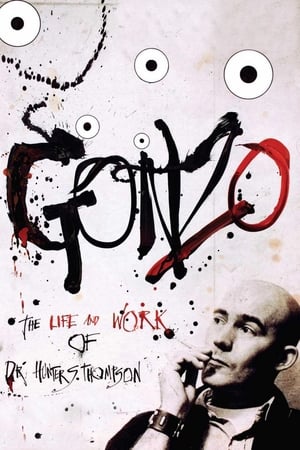
Fueled by a raging libido, Wild Turkey, and superhuman doses of drugs, Thompson was a true "free lance, " goring sacred cows with impunity, hilarity, and a steel-eyed conviction for writing wrongs. Focusing on the good doctor's heyday, 1965 to 1975, the film includes clips of never-before-seen (nor heard) home movies, audiotapes, and passages from unpublished manuscripts.
Lionel Rose, Australia's first Aboriginal world champion boxing hero - the man behind the myth
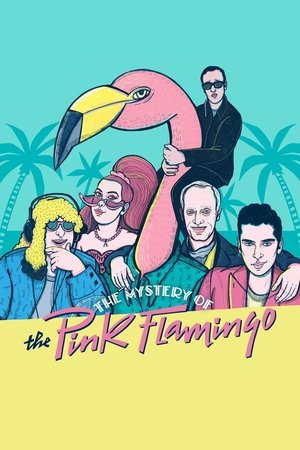
A square sound engineer employs unusual research efforts to reveal the secrets behind the quintessential icon of kitsch, the Pink Flamingo. His bizarre adventure will unexpectedly turn into a creative journey to self-discovery.
Philadelphia TV host Butch Cordora is on a mission to publish a calendar that recreates iconic photos in pop culture, featuring himself alongside a cast of exclusively straight male models--all in the nude, all for a starkly revealing creative journey.
Ten of Muhammad Ali's former rivals pay tribute to the three-time world heavyweight champion.
Tells the story of the wonderful and long-lasting friendship between Jack Kerouac, Allen Ginsberg and William Burroughs that gave birth to the Beat Generation movement.
A film portrait of the influential Bavarian actor, director, and screenwriter who publicly confessed his homosexuality, which chronologically covers all the important stages from Action-Theater to the director's early death, supplemented with anecdotes.
On October 1, 1975, World Heavyweight Boxing Champion Muhammad Ali was in the ring with his arch rival Joe Frazier for the third time. This fight in the Philippines, which has been nicknamed "Thrilla in Manila," is considered one of the most dramatic boxing matches in history - in the words of the voice-over, "They hated each other." With the help of archive material and eyewitness accounts (including Imelda Marcos), this documentary not only reconstructs the match, but shows us what was happening behind the scenes as well.
The tendency in the world is right-wing, neo-liberal, and people are more controlled. We have less liberty even if we think we have more. The last territory where we can be ourselves and where we can have full freedom is our own body. The documentary "BARE" focuses on male nudity in the modern dance. The story follows a well-known Belgian choreographer Thierry Smits through a process of building his new creation with a group of male dancers performing bare naked.
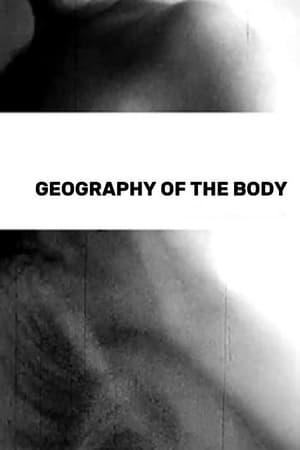
A quotation from Aristophanes, "The desire and pursuit of the whole is called love," precedes views of a man and a woman's bodies, often in extreme close up. Off-screen, a voice recites fragments of oracular literature and purple prose. We see an eye, an ear, a mouth, a tongue, bits of hair, a hand, the tips of fingers, toes. Occasionally, the frame includes a larger scape of a body: a chest, a back, a breast. Usually the camera is stationery; sometimes, it moves across a body, remaining in close up. They hold hands for one moment. The bodies are without clothes; no genitalia are visible.
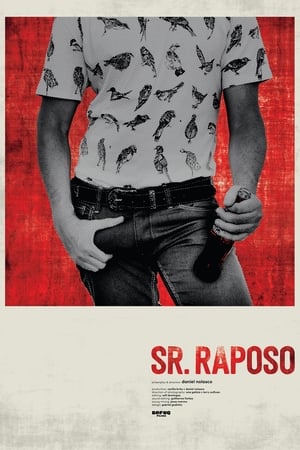
Sr. Raposo is a staged documentary about the daily life of Acácio, who found out he was HIV+ in 1995.
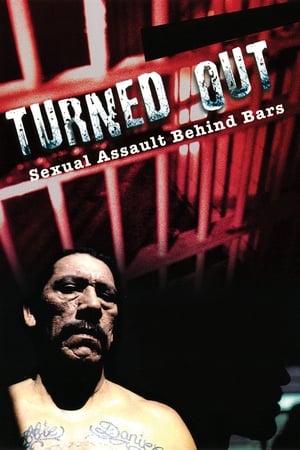
A look beyond the shock and inhumanity of prison rape to the intricate social hierarchy that keeps it alive. A filmmaker goes deep inside Alabama's infamous Limestone penitentiary to uncover the long-term causes and consequences of prison rape. With a startling lack of inhibition, five inmates reveal the workings of an elaborate inner society.
Playful meditation upon landscape, colour and the process of collaborative filmmaking. As two artists battle the inclement Cornish weather they discuss Derek Jarman, the golden light and the magic of the craggy coastline.
Stanley Kubrick’s debut documentary, following Irish-American middleweight boxer Walter Cartier on April 17, 1950—the day of his bout with Bobby James. The film traces Cartier’s quiet morning rituals, training, and anxious hours before the match, culminating in his swift victory that night in Newark. Opening with a brief history of boxing, Kubrick’s tightly crafted short captures the discipline, isolation, and tension behind a fighter’s daily routine.
In this documentary Kerkhof takes the viewer into a bizarre underworld, the sub-culture of blood art and body piercing performance art. Kerkhof's camera registered a performance by the American blood artist Ron Athey which took place during the FREAK ZONE festival in Lille, France in May 1997. The camerawork is so freaky one would almost suspect it is under the influence of heroin. The film includes interviews with Athey as well as shocking live fragments wherein Athey works his face over with injection needles. The crazy, maniacal clamour of the HIV positive priest/performer gives us insights into the motives and goals of this group of masochistic performance artists. Somebody who entertains his audience by cutting and stabbing himself; is this art? Who can say? What is beyond question is that Kerkhof's masterful use of the camera and editing not only obscures the images but also the boundary between art and unbearable filth.
Chuck Wepner is a liquor salesman from Bayonne, N.J., who drives a Cadillac with “Champ” vanity plates. A former New Jersey State Heavyweight Boxing Champion, he took abuse from Sonny Liston, got his nose broken by Muhammad Ali, and inspired Sylvester Stallone to write “Rocky” which won three Academy Awards. Wepner was left out of the “Rocky” glory, and his career took turn after strange turn as he worked to stay in the spotlight: he went on to fight Andre the Giant as “The Assassin” and boxed a 900 pound bear. Twice.
Chilo and Omar seem to be the only two men on earth. They live on a solitary beach and their constant activity is fishing to survive. Their friendship, surrounded by sensuality, becomes a kind of a love story. Through their conversations and their relationship, the film explores and portraits human condition.