Finland’s first nature documentary. The filmmakers’ expedition leads them all the way to the Åland Islands and the Karelian Isthmus.
A documentary film about the Karelo-Finnish SSR.
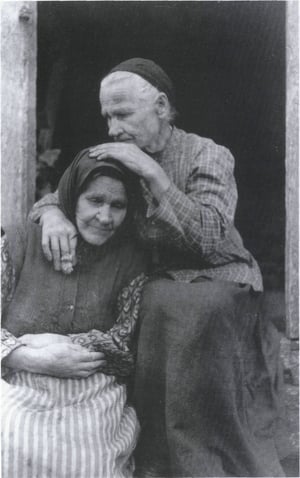
The preservation of the Karelian culture. About how the evacuated Finnish Karels have acclimatized themselves to the indigenous people and how the Karelian culture has been preserved during the ages of change. Reportage and interviews with ordinary people and experts made during the summer of 1968. Faces of the Finnish Karelian people. Images of faces that reproduce the culture and the history of the territory.
Veneh is a poetic depiction of transition and the end of childhood. It tells of a young Karelian bride, who is about to leave her home. She is prepared for her wedding, which in Karelia was a long process. The movie follows traditional rituals, colliding the genres of ethnographic and drama film with music and dance video styles.
Late 40’s after the war. Strange languaged and religioned immigrants fleeing from Karelia region are hated by Finns in the countryside. 19-year old Anni is living her life wanting to forget the war and hostility surrounding her. Falling in love with a man who hasn’t left fighting, threatens Anni’s whole family’s future and hope for mutual forgiveness..
Miila has found out that her grandmother Marja was born in Karelia. The subject has a close community on social media in Finland, which Miila wants to be a part of, so she decides to shoot a social media videos about Karelianness and her grandmother. The plan fails, and Miila doesn't get the visibility she craves. Instead, she learns what Karelianness is really about in their family.
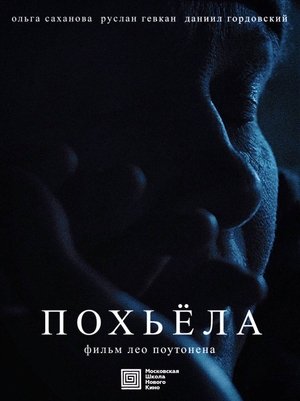
In the far North, a fisherwoman lives in silence with her man. Around them lies a night landscape of snow and wrecked ships. Suddenly, her son returns out of nowhere.
Anni, a daughter of a wealthy family and used to secure life, falls in love with Veikko, a war invalid of the Continuation War. Anni leaves her past behind her and starts leading the life of a pioneer, in the wild forests of northern Karelia, in a settlement farm. After a rosy start, the fate crushes Anni’s dreams and her love for Veikko is put to a test.
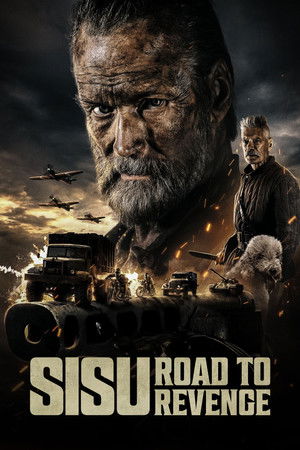
Returning to the house where his family was brutally murdered during the war, "the man who refuses to die" dismantles it, loads it on a truck, and is determined to rebuild it somewhere safe in their honor. When the commander who killed his family comes back hellbent on finishing the job, a relentless, eye-popping cross-country chase ensues.
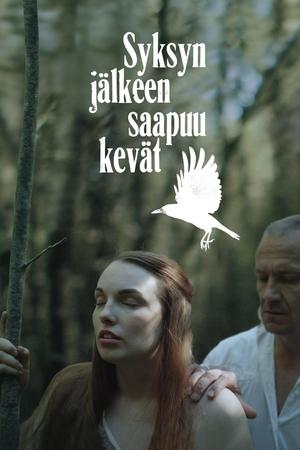
Ten-year-old girl Olei lives with her grandparents and her only friend – Kaunikki the cow in a withering Karelian village on the shores of the White Sea. Suddenly, the girl's grandfather passes away. While her grandmother, gripped by the bitterness of loss, conducts funeral rituals, Olei seeks solace in Kaunikki’s company. But on the funeral eve Kaunikki disappears, and the only person, who could help find her, is dead.
Ilmu is the third and final part in this Karelian art film trilogy. This non profit series of films are the first ever films to be made in the Karelian language. These films depict the transition of different life stages in the light of ancient Karelian ritualism and the central role of women in Karelian transition rituals. Ilmu reveals the mythology and traditions associated with birth.
LINDU is the second in a Karelian film trilogy. The film series are the first ever to be made in the Karelian language. ’Veneh’, the opening film premiered in 2016. They are a non-profit, educational series of ethnographic art films. The films depict the theme of transition in different stages of life, shrouded in ancient Karelian ritualism. ’Lindu’ describes mythology and traditions associated with death.
A film trilogy consisting of Veneh (2016), Lindu (2021), and Ilmu (2023). The first ever films made in the Karelian language.
Narrated by the architect himself, Frank Gehry: The Formative Years explores his long standing career and unique eye. The film looks at a number of Gehry's projects from private homes to complex public institutions, all of which echo his experimental style and vision. Works such as The Norton House, The Aerospace Museum and Loyola Law School demonstrate Gehry's eccentric and distinctive touch. The Formative Years is a survey of his beginnings when Gehry experimented with his own house in Santa Monica, giving him notoriety in the architecture scene.
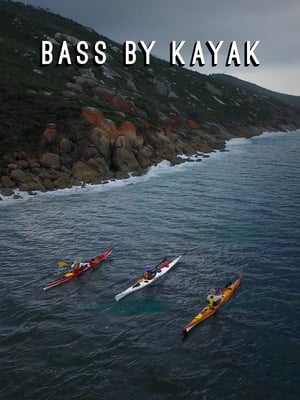
Bass by Kayak follows a small expedition party crossing from the Australian mainland to Tasmania in sea kayaks.
The film follows the consequences of forced arbitration and NDAs, and how it can impact every facet of your life, from personal relationships to your future, with many victims forced to forever pay the price of a system that protects perpetrators.
Le doc Quotidien - Un an chez les ados
The plot of the picture is based on a comparison of life in the Estonian SSR and in independent Estonia from a socialist point of view.
A few shots taken at night.
During a showing of rare Afro-Brazilian Cinema films at the Cinematheque of the Museum of Modern Art of Rio de Janeiro, actor/filmmaker Zózimo Bulbul gathered some of the most notorious Brazilian black directors to talk about their works, their lives and their perspectives on the future.