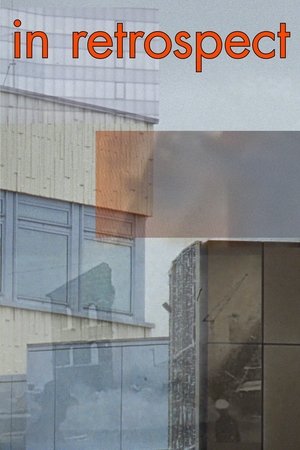
Take a virtual stroll down the streets of Glasgow’s iconic Great Western Road.
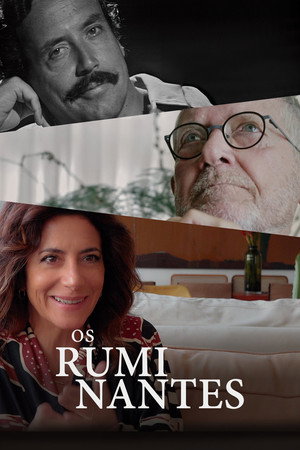
In 1967, Luiz Sergio Person and Jean-Claude Bernardet wrote the screenplay for Hora dos Ruminantes ("The Hour of the Ruminants"), which was never filmed. Os Ruminantes ("The Ruminants") tells this story—about Brazilian cinema in the 1960s and 70s and the political issues surrounding it.
During the height of the military dictatorship, Jorge Bodanzky documented the construction of the Humboldt University [research station] in Mato Grosso. While flying over the surrounding area—amidst the dense, unbroken forest—he captured an intriguing image: a large maloca (communal indigenous dwelling) where the inhabitants were attempting to strike the plane with arrows. Half a century later, the filmmaker uses this moment as a starting point to revisit—without a script—his long-standing connection to the Amazon and the story behind that image, through an approach that is both spontaneous and intimate.
Documentary about the preservation of Brazilian films on celluloid.
Canosaone
This documentary short-film follows the story of The White Bus Cinema based in Southend-on-Sea. They keep the process of projecting real celluloid film alive by showing films from their archive of over 3,000 films, ranging from Super 8, 16mm, and 35mm prints. The film argues why it's important to continue the shooting and projection process of film in our current age of digital shooting and projection in modern Hollywood, amidst the chaos of studios removing films from their streaming services.
In this brand new featurette, executive producer T Bone Burnett and the Coen brothers discuss the history of some of the songs that heard in Inside Llywin Davies and possible origin of the stories they tells, the folk movement during the 1960s and the social and cultural ideas that it represented, the authenticity and the identity of folk music and the balance between the two, the future of folk music, etc. Included with the featurette are illustrations by Drew Christie. The featurette was created exclusively for Criterion in 2015.
Experience the 1950’s in the second installment of the “Tour de Cinema” series.
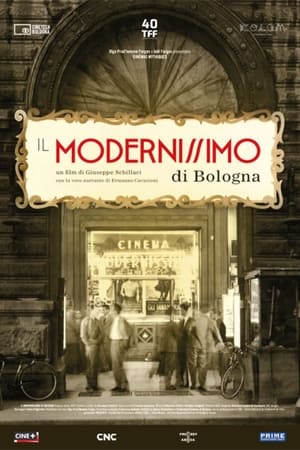
Le Modernissimo de Bologne
Experience the 1990’s and the end of a millennium in the sixth installment of the “Tour de Cinema” series.
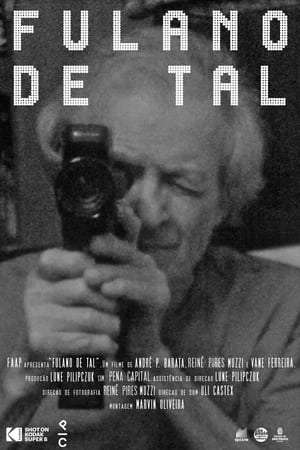
Fulano de Tal
From her theater work to the worldwide fame brought by cinema, Sandra Hüller talks about her art and her career, from "Toni Erdmann" to "The Zone of Interest", via "Anatomy of a Fall". A vibrant encounter with an actress in love with the absolute.
Cine Lero-lero
A film crew crisscrosses England trying to unravel the mystery surrounding a record released 30 years earlier, 'Spirit of Eden', that defined the passage from light to shadow of its makers, the band Talk Talk and its lead singer Mark Hollis. From overwhelming obstacles to unpredictable encounters, their journey soon turns into an organic quest. With silence as a horizon line. And punk as a philosophy, thinking that music is accessible to all and that the human spirit is above the technique.
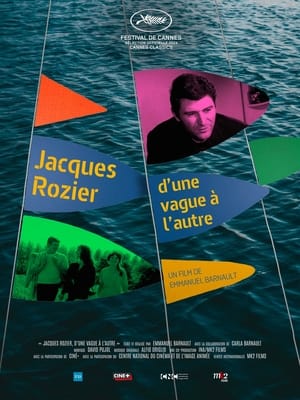
Jacques Rozier or the fierce, independent itinerary of a filmmaker in perpetual disarray, admired by his peers and pampered by the critics.
Schauburg Mon Amour
This documentary was written with passion and love for cinema, and on the other hand, he blamed her. Our fictional character for this documentary talks about her passion for cinema and how it affected her life and recounts the decades that passed on the cinema one after the other.
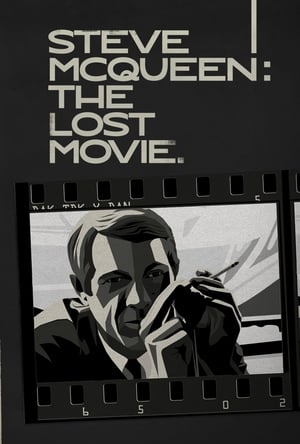
The story of the abandoned production of 'Day of the Champion', a movie about Formula 1 which was set to film in 1966.
Immigrant workers build a shopping mall for the upcoming 1972 Olympic Games in Munich. In 2016, nine people with migrant backgrounds are killed in a racist attack at the same mall.
50 minutos e 23 segundos com Júlio Bressane