Dresden Oktober '89
Moongazer's Moonlight Reverie
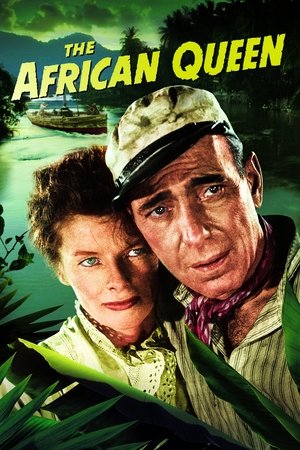
At the start of the First World War, in the middle of Africa’s nowhere, a gin soaked riverboat captain is persuaded by a strong-willed missionary to go down river and face-off a German warship.
A WW1 soldier has to watch over another soldier whom he falsely accused of desertion and whom will executed at dawn for cowardice.
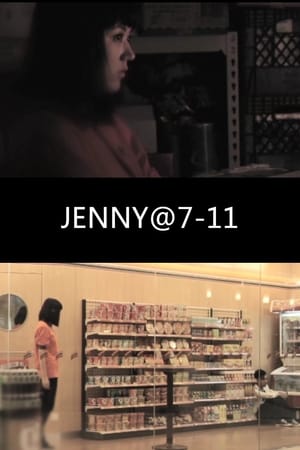
In a convenience store, the door of the storage room is a two-way mirror, reflecting a romantic story of love at first sight.
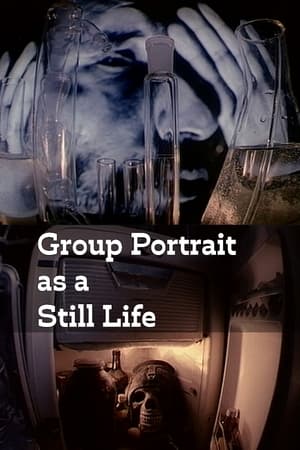
Documentary on the interdependence of the world of the living and the dead, and 'the infernal influence on the thoughts and actions of living people.
During the Nazi occupation of Poland, an acting troupe becomes embroiled in a Polish soldier's efforts to track down a German spy.
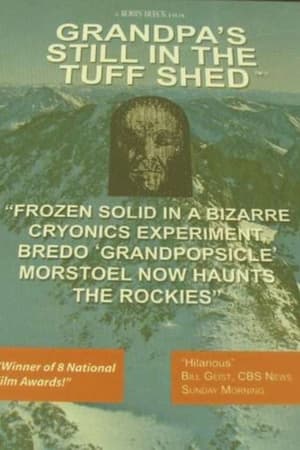
It adroitly tells the story of a "counter culture" young man who when his grandfather dies, packs the body in dry ice, and stores him in a Tuff Shed, waiting for the time when advances in modern medicine can bring him back to life. I am not making this up. Then our young men gets deported back to Norway on unrelated charges. Then, quite a while later, people look up and take notice ... "Hey ... there appears to be a frozen dead guy in that shed over there."
The true story of how businessman Oskar Schindler saved over a thousand Jewish lives from the Nazis while they worked as slaves in his factory during World War II.
A day in the city of Berlin, which experienced an industrial boom in the 1920s, and still provides an insight into the living and working conditions at that time. Germany had just recovered a little from the worst consequences of the First World War, the great economic crisis was still a few years away and Hitler was not yet an issue at the time.
Music scores are atomized and recompiled into instructions for visual edits and cues. Ties are uncovered between sight and sound.
Panasonic PV-GS83 in a plastic bag thrown in the ocean.
Single frames vectorized and stitched before processing through an analog EAB.
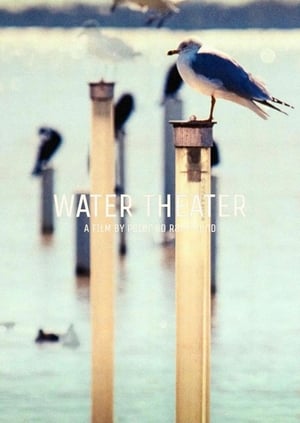
White Rock Lake Water Theater in Dallas, Texas. Sculpture by Frances Bagley and Tom Orr. Video compiled from 35mm stills.
Oil spills around Oak Cliff, Dallas.
Compiled and animated from still images.
Every day, fishermen venture out into the polluted waters of Sepetiba Bay to provide for their families, searching for what remains of the region's marine life.
Filmed for the most part from a low-flying aircraft, this documentary short presents a breathtaking view of Canada from coast to coast. Showing the varied terrain, from craggy coast to towering glacier, the film illustrates Canada’s pristine wilderness as well as today's industrial and urban realities. Canada the Land was specially commissioned for the Canada Pavilion at the Osaka World Fair in 1970.
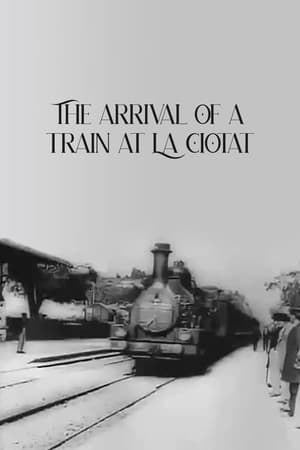
A group of people are standing along the platform of a railway station in La Ciotat, waiting for a train. One is seen coming, at some distance, and eventually stops at the platform. Doors of the railway-cars open and attendants help passengers off and on. Popular legend has it that, when this film was shown, the first-night audience fled the café in terror, fearing being run over by the "approaching" train. This legend has since been identified as promotional embellishment, though there is evidence to suggest that people were astounded at the capabilities of the Lumières' cinématographe.
102 Years in the Heart of Europe: A Portrait of Ernst Jünger (Swedish: 102 år i hjärtat av Europa) is a Swedish documentary film from 1998 directed by Jesper Wachtmeister. It consists of an interview by the journalist Björn Cederberg with the German writer, philosopher and war veteran Ernst Jünger (1895-1998). Jünger talks about his life, his authorship, his interests and ideas. The actor Mikael Persbrandt reads passages from some of Jünger's works, such as Storm of Steel, The Worker, On the Marble Cliffs and The Glass Bees.