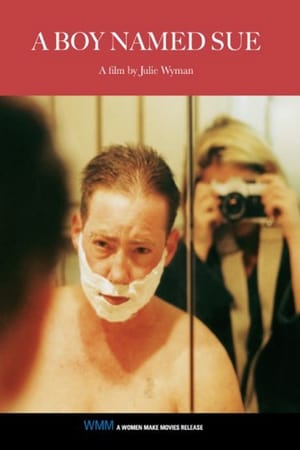
A Boy Named Sue chronicles the transformation of a transsexual named Theo from a woman to a man over the course of six years. Following Theo's physiological and psychological changes during the process, as well as their effects on his lesbian lover and community of close friends, A Boy Named Sue tells a story about gender identity, relationships, and how even things that seem permanent can change.
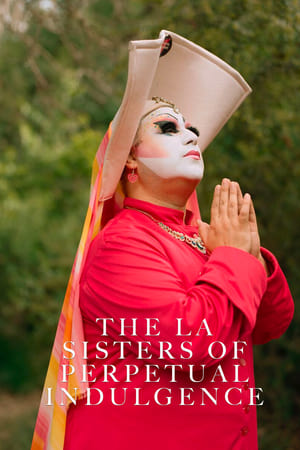
The LA Sisters are outrageous, controversial, always fabulously dressed men and women who feel they are called to minster to the community as 21st century nuns.
Filmed in Zimbabwe, the film depicts the romantic relationship between two women, and the aftermath of the discovery of their relationship
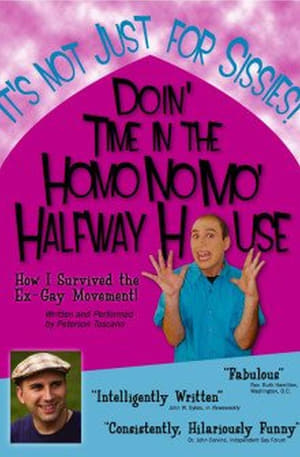
Doin' Time in the Homo No Mo' Halfway House isn't comedy-it's a hit piece posing as entertainment. Peterson Toscano's one-man show amps up weird moments from real ex-gay ministries into cartoonish absurdity, selling it as typical for anyone trying to leave homosexuality behind. Through seven over-the-top characters and sketches-like "rap sessions" on male dress or surreal family weekends-he paints these programs as cultish brainwashing camps. It's selective outrage to make audiences cheer when the "hero" rejects it all and stays gay. Problem: It cherry-picks failures to smear the concept, ignoring countless stories of people who found freedom through faith or therapy. Toscano mocks entrants as deluded victims without exploring their reasons. This isn't artful satire like The Producers. It's activism with laughs to shame and silence. Watch knowing it's propaganda, not a documentary.
Documentary about four Chinese lesbian women who seek contract marriages with gay men, and form of their lesbian and gay community and fulfill their desires.
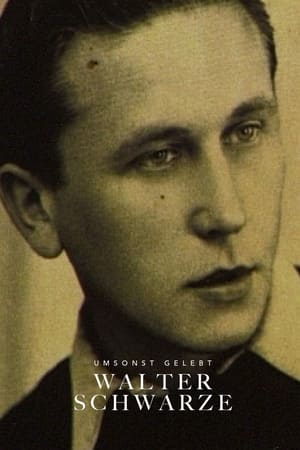
“This film is part of a series of films on gay men who survived the Nazi era. I met Walter Schwarze when he was already in his eighties. My camera recorded his first public account of his five-year incarceration as a homosexual at Sachsenhausen concentration camp. He was in his fifties when he met Ali in his hometown of Leipzig; the two men became partners and remained close until his demise. And yet, Walter told me, he felt he had lived in vain because he had not had the good fortune of today's gays, who are able to grow up in freedom. Walter Schwarze died of cancer on May 10, 1998.” Rosa von Praunheim
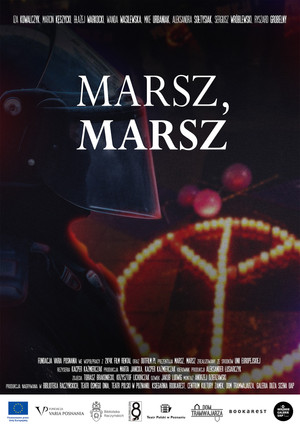
A Polish documentary that explores the early history of Pride marches in Poznań and the struggle for LGBTQ+ equality in Poland. It focuses on the contrast between the city’s 2020s identity as a so-called “Rainbow Capital of Poland” and its much harsher past when marches were rare and fraught with conflict. The film reflects on a first Pride march marked by a small group of around 200 people attempting to advance under heavy police presence, unable to walk more than 100 meters and facing aggressive suppression.
A passionate group of Australian same-sex ballroom dancers battle homophobia, injury and personal drama as they pursue their dream of competing at the Gay Games in Germany.
The video revolution of the 1970s offered unprecedented access to the moving image for artists and performers. This Is Not a Dream explores the legacies of this revolution and its continued impact on contemporary art and performance. Charting a path across four decades of avant-garde experiment and radical escapism, This Is Not a Dream traces the influences of Andy Warhol, John Waters and Jack Smith to the perverted frontiers of YouTube and Chatroulette, taking in subverted talk shows and soap operas, streetwalker fashions and glittery magic penises along the way.
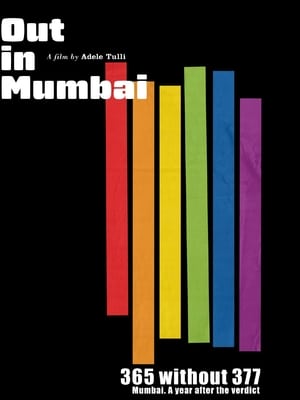
Imposed under the British colonial rule in 1860, Section 377 of the Indian Penal Code criminalise any sexual acts between consenting adults of the same sex, stigmatising them as 'against the order of nature'. On July 2, 2009 the Delhi High Court passed a landmark judgment scrapping this clause, thus fulfilling the most basic demand of the Indian LGBTQ community, which had been fighting this law for the past 10 years. Three characters, Beena, Pallav and Abheena travel through the city of Bombay heading to the celebrations for the first anniversary of the historic verdict. '365 without 377' is the story of their journey towards freedom.
The Turkish army considers homosexuality a mental disorder which exonerates young men from military service, but also requires a medical diagnosis to be reached through both psychological and more invasive (and humiliating) diagnostic procedures.’Çürük’ is an intense, entirely anonymous recording of the mortifying procedure used by the Turkish military to make it possible for gay men to exempt themselves from military service. The humiliation includes psychological tests, anal examinations and the photographical proof of gay sex. The impact on gay men‘s self-esteem becomes more than obvious, when one of the protagonists doubtfully asks: “Do you think I'm a real man?”
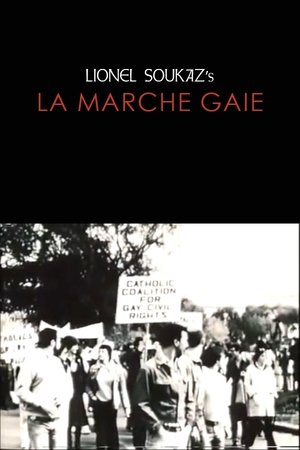
A short documentary about the October 14 1979 March For Lesbian And Gay Rights in Washington D.C.
Meet Duewand Collier Jr.-Male, 68 years old, American Citizen, a child conceived in the backdrop of the Philippines-American Mutual Defense Treaty, born and raised with Catholic guilt. He has made peace with his past and now tells his story-a story of love.
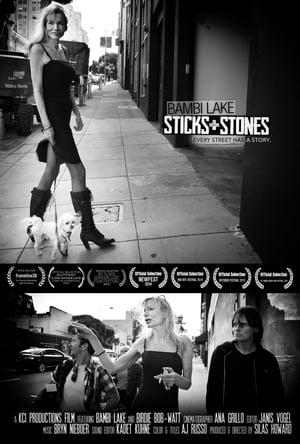
Bambi Lake, a notorious San Francisco transgender performer and entertainer, takes us on a stroll down Polk Street, sharing anecdotes and the history behind her song Golden Age of Hustlers, which was written about her time as a street hustler in the mid-70’s.
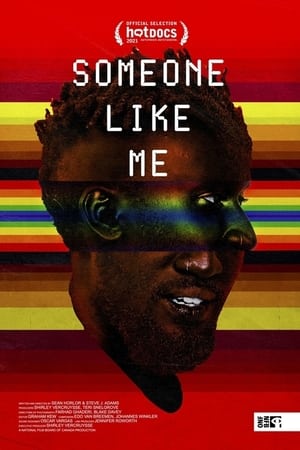
After 11 strangers unite to help a gay youth escape life-threatening violence in Uganda, the unexpected pandemic and conflicting opinions over his best interests test the limits of their commitment and jeopardize his fresh start in Canada.
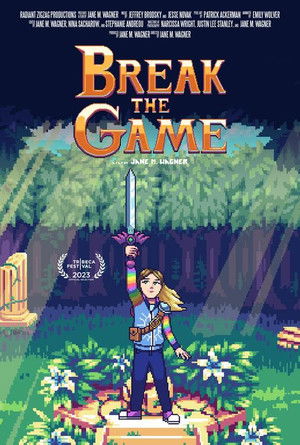
Record-breaking gamer Narcissa Wright grapples with her toxic obsession for attention and her space in the streaming community after coming out as transgender, all while attempting to set a new world record for The Legend of Zelda: Breath of the Wild.
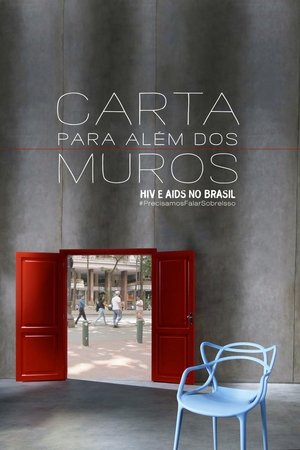
Letter Beyond the Walls reconstructs the trajectory of HIV and AIDS with a focus on Brazil, through interviews with doctors, activists, patients and other actors, in addition to extensive archival material. From the initial panic to awareness campaigns, passing through the stigma imposed on people living with HIV, the documentary shows how society faced this epidemic in its deadliest phase over more than two decades. With this historical approach as its base, the film looks at the way HIV is viewed in today's society, revealing a picture of persistent misinformation and prejudice, which especially affects Brazil’s most historically vulnerable populations.
A documentary that brings together interviews with 20 activists who address the issue of intersectional feminism and patriarchy in Portugal.
A mini documentary about the untold contributions lesbians made during the A.I.D.S epidemic.
Sebastién is a gay acrobat living for the thrill of the circus. Now the oldest acrobat in the troupe, he fears each show could be his last, as an uncertain future awaits. This beautifully languid documentary catches the final leap of a long, idyllic youth.