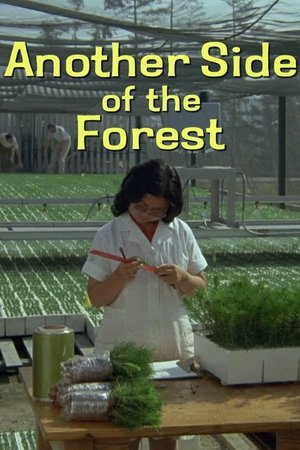
Developments in the Canadian forestry industry during the 1970s are shown being carried out both as lab experiments and in the field to protect and conserve the country's vast forests. These include turning a Newfoundland bog into woodland, fostering British Columbia seedlings that withstand mechanical planting, inoculating Ontario elms against the bark beetle, devising ways of controlling fire, and more.
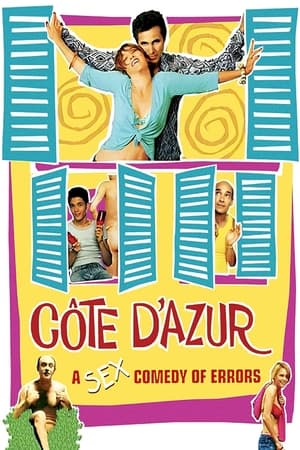
Crustacés et coquillages is a fresh French comedy film with numerous surprise turnarounds and about the tolerance of a family of four. The family spend an idealistic summer vacation together where each of the family members gets involved in a new or old relationship.
"Tetsudou" version of the series full of popular vehicles for children. Fifty kinds of trains selected from the railway active in Japan such as Shinkansen, SL (steam locomotive), limited express, etc. are recorded with powerful images. Introducing a nostalgic train that is not running now as a bonus picture.
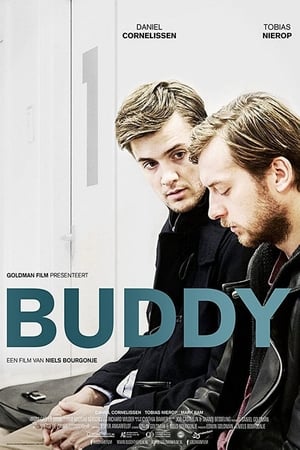
A young man agrees to support his ex lover during an HIV test. What starts out as an awkward reunion, soon becomes something more tender. Is there still hope for reconciliation?
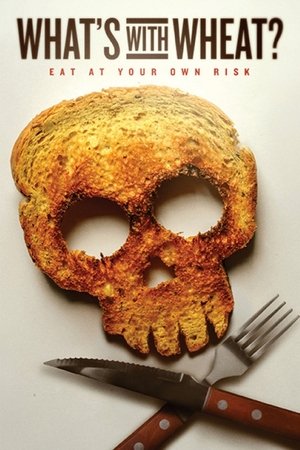
Why are so many people wheat-intolerant or sensitive to wheat? And why is wheat linked to so many modern-day health problems, when it has been a staple of the human diet for thousands of years? In this documentary, a nutritionist interviews 14 experts, to understand how wheat has changed since it was first cultivated, how these changes could be affecting human health, and how people can break a dietary cycle that could be making them sick.
The story of three women searching for more potent, meaningful lives. Each is alive at a different time and place, all are linked by their yearnings and their fears. Their stories intertwine, and finally come together in a surprising, transcendent moment of shared recognition.
Venereal disease threatens to tear a young couple apart.
Produced by a division of social services, the film follows a country girl's journey to learn more about hygiene and health after she's rejected from by her boyfriend who thinks her uncultivated.
A fly, taken with humanity, decides that it would be best if all flies were wiped out.
Founder of Wellness Engineering and New York Times Bestselling author Jonathan Bailor shares how personal tragedy led him to dedicate his life to finding a better way to eat, think, and live that reverses the causes and symptoms of diabetes and obesity (Diabesity). Featuring expert interviews on-location at Harvard Medical School with Dr. David Ludwig, Dr. JoAnn Manson, Dr. Kirsten Davison, and Dr. John Ratey, along with intimate testimonials of everyday Americans, we see the pain and struggle of the old-fashioned and ineffective “calories in, calories out” model, expose the lies that led to it, and provide a proven, practical, and pleasurable alternative. BETTER culminates in offering a proven path toward better living by introducing revolutionary methods to lower the body weight “Setpoint” through simple, evidence-based solutions that everyone can use to optimize their current diet to prevent and reverse many of today’s most common diseases.
The film provides information about the course and symptoms of AIDS, the effect of AIDS viruses on the immune system, the routes of infection, the main risks of infection and the protective measures against them.
Erik, a loner, finds a friend in Dexter, an eleven-year-old boy with AIDS. They vow to find a cure for AIDS together and save Dexter's life in an eventful summer.
After falling ill, Yesterday learns that she is HIV positive. With her husband in denial and young daughter to tend to, Yesterday's one goal is to live long enough to see her child go to school.
Filmmaker Judith Helfand turns the camera on herself to document her battle with cancer caused by DES, a drug prescribed to her mother during pregnancy. Refusing to confine the tears, rage, laughter and hope to dinner table conversations, Helfand invites us to witness her personal journey from radical hysterectomy patient to vocal opponent of toxic exposure. From her suburban home to the halls of Congress, the intensely private becomes widely public, and an American family is transformed and strengthened.
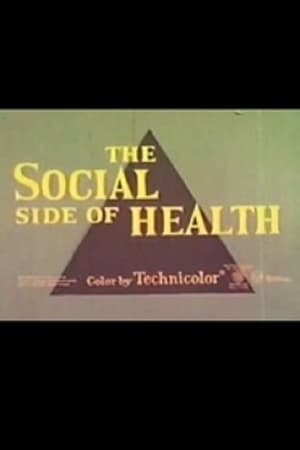
The narrator tells of the three sides of health represented by a triangle with the physical side at the bottom, the mental side on the left, and the social side-the subject of this film-on the right.
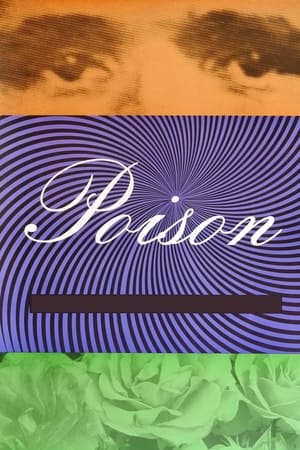
A trio of interweaved transgressive tales, telling a bizarre stories of suburban patricide and a miraculous flight from justice, a mad sex experiment which unleashes a disfiguring plague, and the obsessive sexual relationship between two prison inmates.
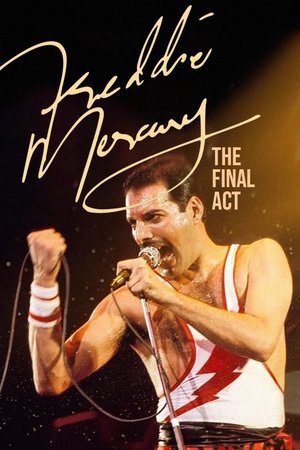
The story of the extraordinary final chapter of Freddie Mercury’s life and how, after his death from AIDS, Queen staged one of the biggest concerts in history, the Freddie Mercury Tribute Concert at Wembley Stadium, to celebrate his life and challenge the prejudices around HIV/AIDS. For the first time, Freddie's story is told alongside the experiences of those who tested positive for HIV and lost loved ones during the same period. Medical practitioners, survivors, and human rights campaigners recount the intensity of living through the AIDS pandemic and the moral panic it brought about.
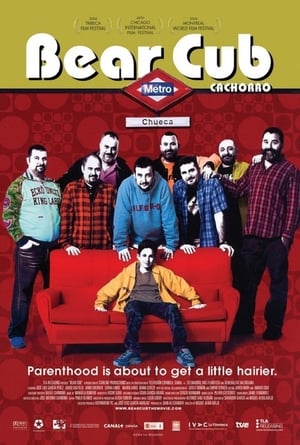
Pedro, a gay man with an active social life and big circle of friends, takes in his nephew Bernardo for a couple weeks. When it appears as though it might become a permanent arrangement, however, Pedro turns to his friends for guidance as he and 9-year-old Bernardo begin to forge a household together.
An educational film about alcoholism.
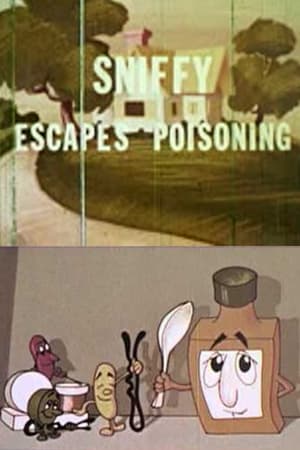
A boy travels with his sick dog Sniffy to his medicine cabinet, where pills and other medicines sing the dangers of taking medicines without adult supervision.