For a few years now, scientists have known about the existence of another brain within our bodies. This second brain, or "brain down below" is none other than our stomach. The stomach's intelligence is a new avenue of research that is fascinating research teams the world over.
A tribute to the human body.
Through our subject Adam, we reveal the incredible changes and forces that take all humankind from Cradle to Grave.
Cutting-edge medical technology and riveting, life-or-death personal dramas combine in this unprecedented, emotionally compelling exploration of The Incredible Human Body.
A quotation from Aristophanes, "The desire and pursuit of the whole is called love," precedes views of a man and a woman's bodies, often in extreme close up. Off-screen, a voice recites fragments of oracular literature and purple prose. We see an eye, an ear, a mouth, a tongue, bits of hair, a hand, the tips of fingers, toes. Occasionally, the frame includes a larger scape of a body: a chest, a back, a breast. Usually the camera is stationery; sometimes, it moves across a body, remaining in close up. They hold hands for one moment. The bodies are without clothes; no genitalia are visible.
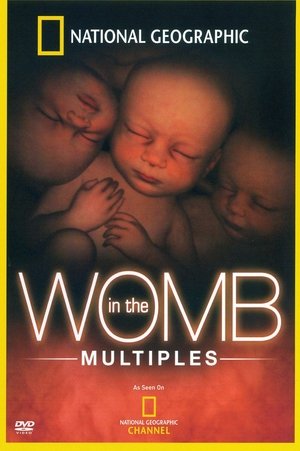
Advanced technology, groundbreaking scientific discoveries about the beginnings of life, and computer animation all combine to detail how multiple siblings develop in the womb as the filmmakers at National Geographic explore the fetal growth of twins, triplets, and quadruplets. Detailed pictures of these different groupings in various stages of fetal development bring the earliest stages of life to the screen as never before.
Tuer la mort ?
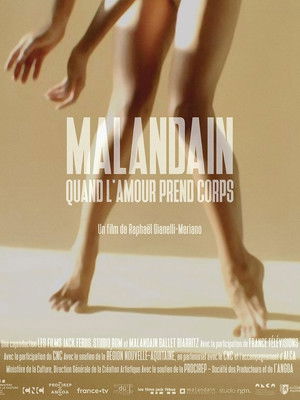
Malandain, quand l'amour prend corps
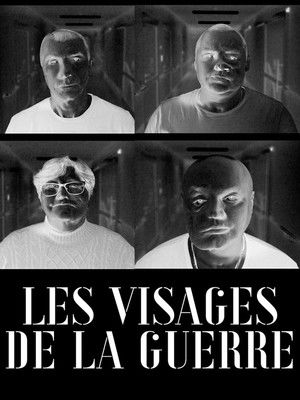
At the Vynnyky Medical Center, located in the suburbs of Lviv, Ukraine, the staff treats exclusively war casualties: amputees and those who have been disfigured. An internationally renowned surgeon, Chloé Bertolus is one of the leading specialists in facial reconstruction. Several times a year, she visits the wounded to repair tissue damaged by bullets and shrapnel from the Russian army.
Documentary footage from various sources, set to music. Showing the whole of human life, from birth to death and beyond.
Naše nohy
Take a fascinating journey inside the bizarre world of a living human being with this compelling documentary from National Geographic, where microscopic cameras and other state-of-the-art technologies reveal perspectives that will blow your mind. Tracking the body of a female from infancy to old age, viewers will observe the digestion of a meal, the development of the cardiac system and other mesmerizing aspects of the body's inner workings.
Dr. Yang Jwing-Ming explains, demonstrates, and discusses the Eight Pieces of Brocade (jian shen ba duan jin), a qigong practice for health and wellbeing. The Eight Pieces of Brocade is a sequence of eight movements intended to build qi, promote blood circulation, assist the immune system, strengthen the internal organs, and energize the body. Dr. Yang teaches both sitting and standing variations of the practice.
Gil Hedley, Ph.D., former massage therapist and Rolfer, dissects a cadaver in order to teach bodyworkers and other interested students about the interconnectedness of muscle and deep fascia.
Gil Hedley, Ph.D., former massage therapist and Rolfer, dissects a cadaver in order to teach bodyworkers and other interested students about the fascia of the viscera and cranium.
Gil Hedley, Ph.D., former massage therapist and Rolfer, dissects a cadaver in order to teach bodyworkers and other interested students about the fascia of the viscera.
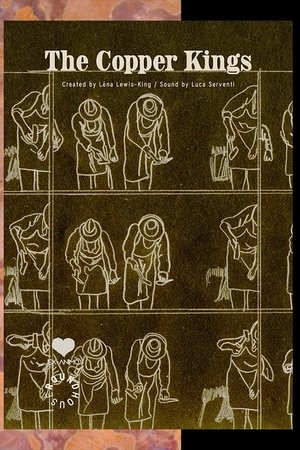
Through exploring the body as a landscape, 'The Copper Kings' plays with visual metaphors that connect the patriarchal philosophy and process of extraction to the dissection of our own bodies.
Why are you more likely to have a heart attack at eight o'clock in the morning or crash your car on the motorway at two o'clock in the afternoon? Can taking your medication at the right time of day really save your life? And have you ever wondered why teenagers will not get out of bed in the morning? The answers to these questions lie in the secret world of the biological clock.
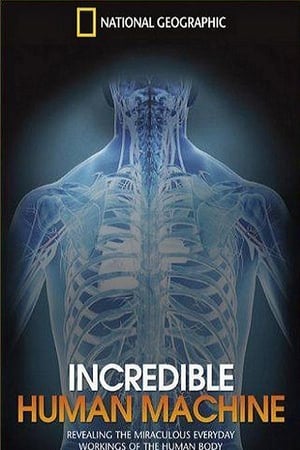
National Geographic: Incredible Human Machine takes viewers on a two-hour journey through an ordinary, and extraordinary, day-in-the-life of the human machine. With stunning high-definition footage, radical scientific advances and powerful firsthand accounts, Incredible Human Machine plunges deep into the routine marvels of the human body. Through 10,000 blinks of an eye, 20,000 breaths of air and 100,000 beats of the heart, see the amazing and surprising, even phenomenal inner workings of our bodies on a typical day. And explore striking feats of medical advancement, from glimpses of an open-brain surgery to real-time measurement of rocker Steven Tyler's vocal chords.
Notre corps, ce réseau social