Shri Krishna Leela is a 1971 Hindi religious film directed by Homi Wadia. It was produced by his Basant Pictures banner. Written by B. M. Vyas, the story and dialogue were by S. N. Tripathi.
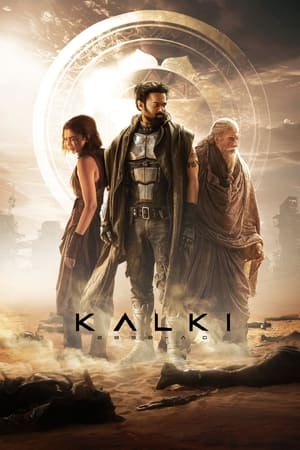
In the year 2898 AD, around 6000 years after Kurukshetra war, Ashwatthama gears up for his final battle of redemption at the sign of hope in a dystopian world and Bhairava, a wisecracking and self-interested bounty hunter, tired of the perilous life becomes the hurdle in the process.
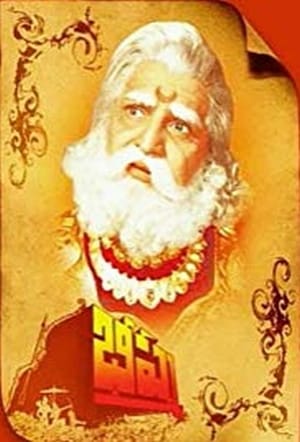
Bhishma is a 1962 Indian Telugu-language Hindu Epic film, based on the life of Bhishma from the epic Mahabharata.
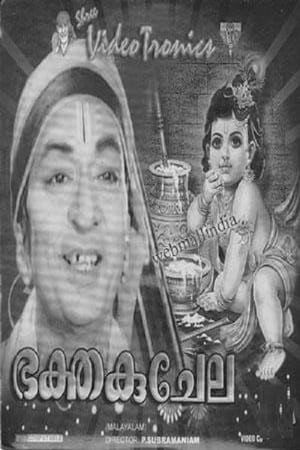
The film told, apart from the main story of the friendship between Krishna and Kuchela, a few sequences from the Bhagavatha
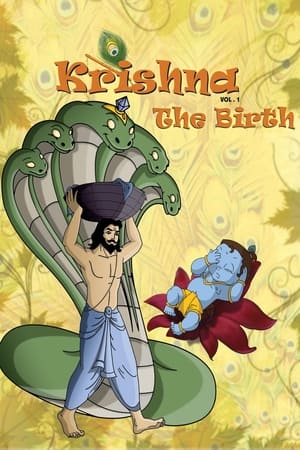
Krishna - The Birth is the enchanting tale of the miraculous birth of Lord Vishnu in the form of baby Krishna to Vasudev and Devaki. The story is set in an era when the human race was overburdened by the demonic forces of different kings posing themselves as the royal order.
The film depicts the adolescent age of the Pandavas and Krishna and shows the events in the Mahabharata, focusing on the later chapters of Adi Parva and the first half of Sabha Parva.
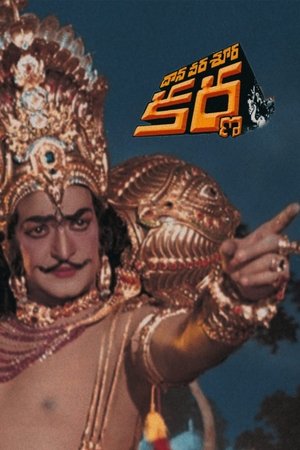
A retelling of Mahabharata through the perspectives of KARNA and DURYODHANA. The film uses dialogue and poetry written in Classical Telugu/ Grandhika Basha.
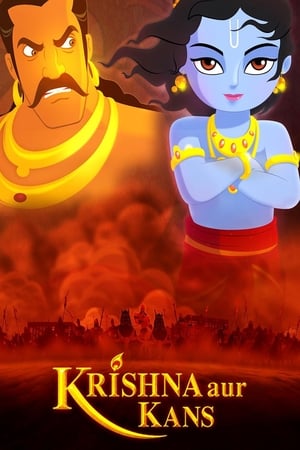
Hailed as India's first stereoscopic animated film, 'Krishna Aur Kans' is an exciting narrative full of action and drama. The movie chronicles Krishna's early years -- from his birth as the nemesis of his tyrannical uncle Kans.
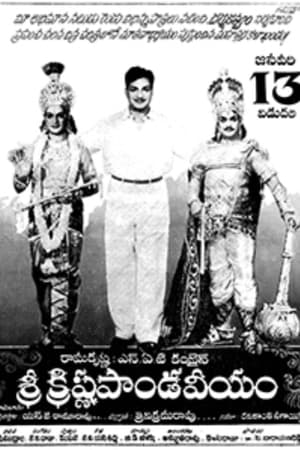
Balarama promises Subhadra that he'll marry his daughter to her son. But when the Pandavas lose their kingdom to the Kauravas, Balarama breaks his promise.
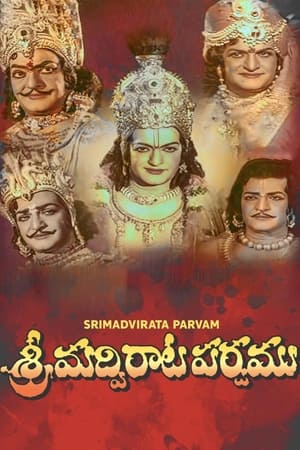
It is an Epic story based on the book Virata Parva of Mahabharatha. After 12 years of Vanavasam, the Pandavas spend their 13th year of exile the Agnaadhavasam in an incognito state with disguised identities at the court of Virata. Follows how they end their exile & the marriage celebration of Uttara and Abhimanyu.
In 2094, a ruthless dictator controls India with an iron fist. Trapped in a militarised zone, a group of revolutionaries must escape before the crushing weight of despair destroys them from within.
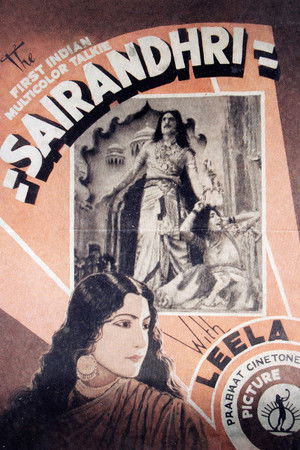
Set during the Pandavas’ exile in the Mahabharata, the story focuses on Draupadi living incognito as a maid-in-waiting named Sairandhari in King Virata’s palace. The arrogant Keechak becomes obsessed with her, prompting Bhima (disguised as a cook) to intervene and kill Keechak to protect her honor.
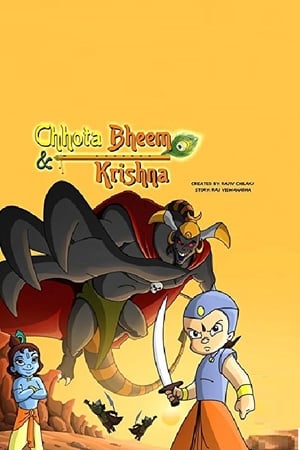
About 500 years ago, the five kingdoms around Dholakpur joined together to end Kirmada`s rule. Now a mysterious force has brought him back from the dead. Don`t miss Bheem beat Kirmada & save the kingdom of Dholakpur once again!
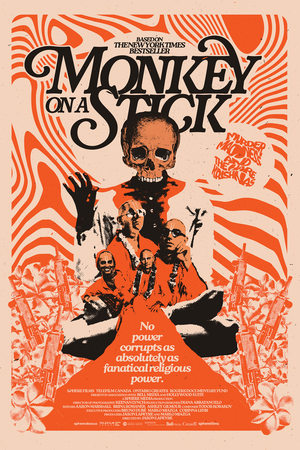
The story of the Hare Krishna movement in the West, contrasting the spiritual exploration of its devotees with the leadership's systemic, long-term cover-up of criminality, moral decay and abuse of power.
Before the Kalyug begins, Lord Krishna hands over an anklet that holds the answer to all of world’s miseries. Years later a doctor finds himself in the thick of things when the pursuit for the anklet carries on. A doctor with a curious mind, Karthikeya, aka Karthik, believes in pursuing the truth. The quest leads Karthik to discover the power of the ancient Indian belief system and the essence of Krishna.
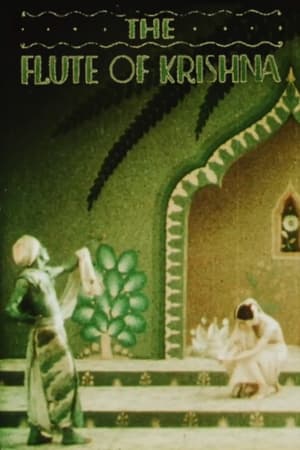
Produced by the Eastman Kodak Company and shot in a then-experimental process, two-color Kodachrome, Martha Graham's dance "The Flute of Krishna" is performed by students from the Eastman School of Music. It's likely (but unconfirmed) that the film was directed by an uncredited Rouben Mamoulian.
After leaving the asylum, Vincent van Gogh settles in the home of Doctor Gachet, where he keeps painting amidst the torments of his failing mental health. He begins an affair with his host’s daughter, however, she soon realizes that he doesn’t love her and that his heart beats only for art.
The film follows the exploits of Jacques, a car-mechanic turned pro-thief, and his Jewish co-conspirator Simon as their robberies, beginning well before the Second World War, take on a political coloration under the occupation.
Muichkine, a young Russian prince, returns home to St. Petersburg from a mental institution, determined to spread decency and kindness in the harsh and cruel world. He becomes betrothed to an innocent young girl while trying to save a less-innocent woman from her own travail, but jealousy and his own naivete conjoin to bring about unimaginable tragedy.
Master painter Hans Moll and his wife, the television announcer Ms. Wellinek and her husband, and the German-Russian Jew Yevgenia have many things to live on: food, drink, an apartment. What they do not have is work. They all discover the yearning for a chance to start all over again and bring themselves back to life.