The highest mountain range in the world, the Himalayan range is far reaching, spanning thousands of miles, and holds within it an exceptionally diverse ecology. Coniferous and subtropical forests, wetlands, and montane grasslands are as much a part of this world as the inhospitable, frozen mountaintops that tower above. The word Himalaya is Sanskrit for abode of snow, fitting for a stretch of land that houses the world’s largest non polar ice masses. Extensive glacial networks feed Asia's major rivers including the Ganges, Indus, and Brahmaputra. More than a billion people rely on these glacier-fed water sources for drinking water and agriculture. The Himalayas are not only a remarkable expanse of natural beauty. They're also crucial for our survival.
Takes us to locations all around the US and shows us the heavy toll that modern technology is having on humans and the earth. The visual tone poem contains neither dialogue nor a vocalized narration: its tone is set by the juxtaposition of images and the exceptional music by Philip Glass.
Follows life of Malika, a lioness in South Africa’s Kruger National Park as she battles to survive.
Save the Sumatran Forest
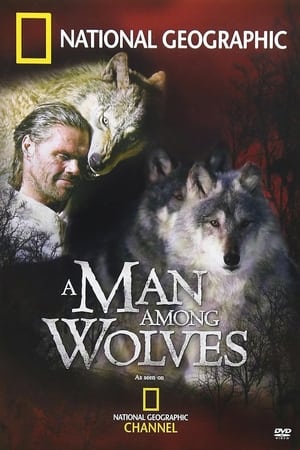
For 70 years, the population of the wapiti deer in the Yellowstone National Park in the United States increased unchecked. Without natural predators and despite all human attempts to check the increase of the deer population they kept spreading and destroyed vast regions of the park's vegetation. They literally defoliated the National Park. However, a well-directed reintroduction of 41 wolves between 1995 and 1997 worked wonders: The animals restored the natural balance in the National Park.
Nestled in the heart of America s great plains are contrasting tastes of a sacred land that beckons the visitor to enter the nation's mysterious and glorious West. A land of soaring pinnacles, deep canyons, hidden caves, national monuments and countless wildlife sanctuaries. It is also the place of the inglorious death of famed gunslinger, Wild Bill Hickok and the most sacred spot for the Lakota Sioux. Enjoy breathtaking aerial views and amazing tours with park rangers. Discover the wonder and awe of these contrasting spectacles of the West, one soaring, rich in forest and water and other barren and deeply eroded, which are brought to together by a shared geology and history. They are the Gateway to the Great American West. They are the Black Hills and the Badlands.
Planète animale 2 : Survivre
Galapagos
Le Bison d'Europe, colosse de la forêt
Mist swirls around the base of Shanghai's skyline. From the city, tigers and monkeys seem as unreal and distant as dragons and mermaids emerging through the mist. Yet they do exist, as rare survivors in an extraordinary and diverse landscape. From snow leopards to wild horses, and from alligators to elephants, China's iconic wildlife is a lot more than just pandas.
Haida Gwaii, an archipelago off the west coast of Canada, is home to Skil Jaadee and her family. They live in harmony with nature and have made it their mission to save their language and preserve their history.
The extraordinary and storied life of Topsy, a bactrian camel, whose career spanned the military, the mines, the movies and more.
Antarctica is the most extreme continent on our planet—higher, colder, and even drier than any other on Earth, and although it is thousands of miles away, what happens here affects every single one of us.
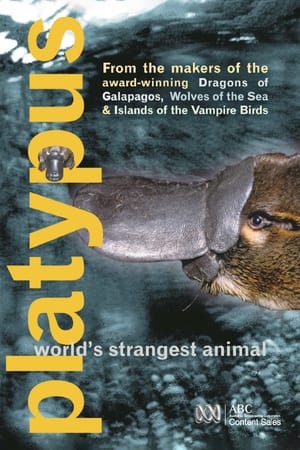
One of only two living mammals to lay eggs, the platypus has baffled and inspired the scientific community for hundreds of years. Three years in the making, this stunning natural history film takes us down the East Coast of Australia to the many serenely beautiful habitats of the platypus. Technology specially created for this film captures images from inside the nesting chamber of a wild platypus, and records the extraordinary sounds of the mother suckling her offspring. We watch as they grow from newborns to adulthood. Join renowned documentary makers David Parer and Elizabeth Parer-Cook (Dragons of Galapagos, Wolves of the Sea) on this fascinating journey from the rainforests of Queensland to the frozen mountains of Tasmania, as they reveal new insights into this mysterious creature.
A veteran pair of osprey return home to a Connecticut saltmarsh. Over one summer they must battle their enemies, withstand the elements, and hunt hundreds and hundreds of fish, all to raise the next generation of sea raptors.
The Film “Life with Vultures” is about the efforts of a handful of NGOs and Government Agencies to save the only remaining Vulture species on the island of Cyprus, and by extension several other species of Birds and other wild animals
This film shows the splendor, enormous scope and indescribable beauty of this untouched land far to the north of Alaska, one of the last havens for caribou herds and polar bears. Shot over a period of four years, this film offers a unique insight in the lives of the most charismatic arctic animals.
Wildnis 2.0 - Die Tierwelt auf Umwegen
Jellyfish blooms are making headlines around the world. This is due to the damage they cause to tourism, fishing and our health. How can these creatures, which are over 98% water and have no shell, skeleton or brain, expand so rapidly? Although this is a normal stage in the life cycle of these gelatinous animals, we have to admit that blooms have become much more frequent and massive in recent decades. We're even witnessing jellyfish populations appearing in more and more regions where fish have been replaced by them, such as off the coast of Namibia, in the Black Sea, in the Sea of Japan and in certain areas of the Baltic Sea. What causes this? Why has the role of jellyfish in the ocean been underestimated, even though they outlived the dinosaurs? Are jellyfish on their way to dominating the oceans as they once did? What if they were to be the only ones left?
David Attenborough and scientist Johan Rockström examine Earth's biodiversity collapse and how this crisis can still be averted.