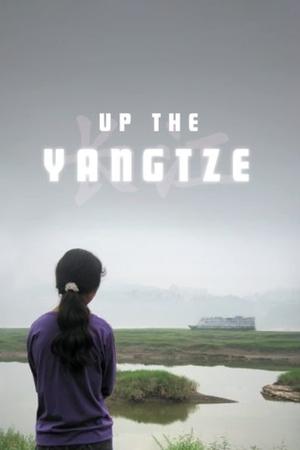
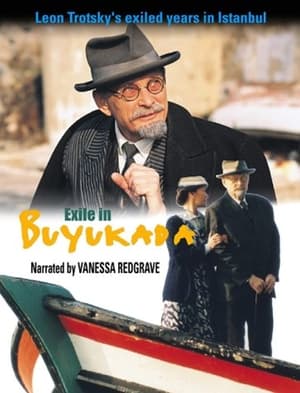
At the edge of the Yangtze River, not far from the Three Gorges Dam, young men and women take up employment on a cruise ship, where they confront rising waters and a radically changing China.
Explores the plans for the construction of the monumental dam on China's Yangtze River, the structure that when completed in 2009 will become the Three Gorges Dam. It is slated to be 610 feet high, 1.3 miles across, creating a reservoir 400 miles and the largest power plant in the world.
Documentary on water usage, money, politics, the transformation of nature, and the growth of the American west, shown on PBS as a four-part miniseries.
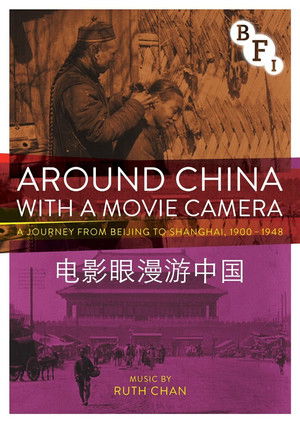
A new film compiled from the BFI National Archive's unparalleled holdings of early films of China, features films from 1900-48 filmed across China. The cinematic journey of Around China with a Movie Camera contains many films which may never have been seen in China, or at the very least not for over 70 years. These travelogues, newsreels and home movies were made by a diverse group of British and French filmmakers, some professionals, but mainly enthusiastic amateurs, including intrepid tourists, colonial-era expatriates and Christian missionaries.
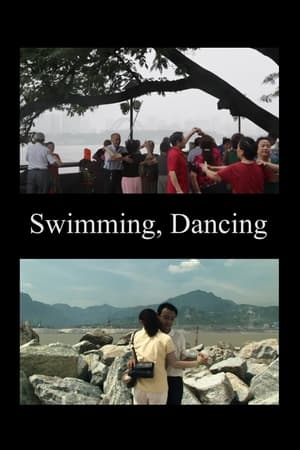
Swimming, Dancing examines audiovisual representations of the Yangtze (1934–present), from silent film to video art to the contemporary vlog. Inspired by the city symphonies of the 1920s, Swimming, Dancing pieces together a “river symphony”, evoking the images, sounds and contradictions that make up the river’s turbulent history.
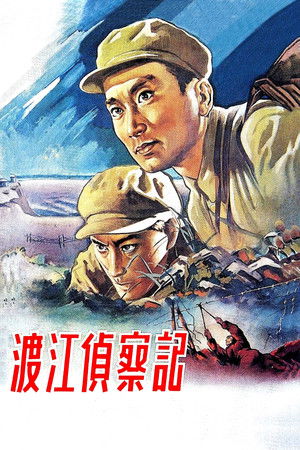
In the spring of 1949, a war is about to happen between the Liberation Army and Kuomintang Army on the Yangtze River. The Liberation Army dispatches a reconnaissance to scout the southern parts of the River, whose work is actually full of hardships and dangers. However, with the help of the local crowd and the guerrillas, finally, the members of the reconnaissance succeed in the commission and offer valuable information to the Liberation Army, making great contributions in the war.
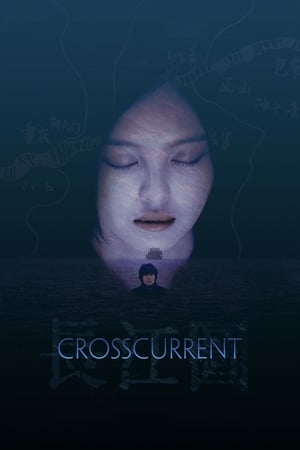
A voyage between a woman searching for the meaning of life and a man holding a book of poems on the longest river of Mainland China.
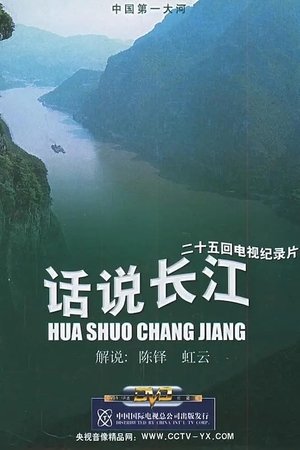
The Yangtze River is the largest river in China. Every Chinese is familiar with the theme song of the film - "Song of the Yangtze River", which was written by children soaked in their mother's milk. He wrote about the inexplicable and unclear love: the Yangtze River is the mother river of the Chinese nation, and the Yangtze River belongs to the Chinese nation. There are countless natural and cultural deposits on the Yangtze River and its banks. Everyone can listen to "Song of the Yangtze River" and follow "Talk about the Yangtze River" to understand its magic and magnificence.
The construction of the Three Gorges Dam will force nearly a million people on both sides of the river to relocate from their villages. This film follows several local families as they face the fate of leaving their villages, complaining about being forced to leave their ancestral homeland, resigning themselves to the situation, and reluctantly reacting.
In March 1997, a teaching and research team led by Professor Zhuang Kongshao came to the Tujia area along the middle reaches of the Yangtze River to conduct anthropological research, with the aim of establishing a link between anthropological academic knowledge and field studies, as well as finding valuable research points to achieve the possibility of interdisciplinary collaborative research. "Field Study Along the Yangtze River" is a synchronous film and television work based on this survey. Now re-edited and transferred to today's university classroom, it is intended to facilitate anthropology students who are preparing to enter the field study phase, and by watching this film, it will trigger them to think about the opportunity of academic docking between theory and research sites, and further transition them into their own fieldwork thinking.
Mikhaylo Nigmatullin, a scout sniper with the 43rd Separate Motorized Infantry Battalion "Patriot," was captured by militants in January 2015 in Horlivka during a combat mission. The volunteer spent 171 days in captivity, was sentenced to death but "pardoned," tortured during interrogations but not broken.
“I have spent so much time playing a role that it’s almost impossible for anyone to know who I really am,” Karl Lagerfeld once proclaimed. The German fashion designer, creative director and cultural force, who dominated the world of fashion for more than seven decades, is finally revealed in ravishing detail.
HIGHWAY 99: A DOUBLE ALBUM is a musical travelogue that chronicles the epic, American story of one of our greatest musical voices, Merle Haggard.
Peter Asher’s extraordinary life has intersected with some of the greatest artists and musical moments of the last six decades. A child actor who became a pop star and then a manager and producer to the likes of James Taylor and Linda Ronstadt, he is a Zelig-like figure who remains a vital creative force to this day. Featuring interviews with Paul McCartney, Carole King, and many more.
A city symphony of '70s New York as it exists in the movies that mythologized it.
Faced with terminal lung cancer, 80-year-old Sallie Smith rallies an unlikely team of fellow Alabama grandmas to fight for the removal of a toxic coal ash pit that threatens the waters of their beloved Mobile Bay.
Vast, wild, yet extremely fragile. The coldest place on our planet is also one of the most affected by global warming and needs to be protected. The expedition focuses on exploring, documenting, and surfing in the South Shetland Islands and the Antarctic Peninsula, in the area known as Domain 1, which is being pushed for Marine Protected Area (MPA) status. Protected areas are very important for mitigating climate change and, in this case, also for regulating human activities such as concentrated fishing. This film helps us understand the importance of this area and the threats affecting it.
In '90s Argentina, the murder of a high school student sparks widespread protests. Retold by her loved ones, this documentary shows their fight for justice.
Started as a class project in what was likely the first filmmaking course ever taught at Harvard, Marathon documents the running of the 1964 Boston Marathon.
As Hong Kong's foremost filmmaker, Johnnie To himself becomes the protagonist of this painstaking documentary exploring him and his Boundless world of film. A film student from Beijing and avid Johnnie To fan, Ferris Lin boldly approached To with a proposal to document the master director for his graduation thesis. To agreed immediately and Lin's camera closely followed him for over two years, capturing the man behind the movies and the myths. The result is Boundless, a candid profile of one of Hong Kong's greatest directors and a heartfelt love letter to Hong Kong cinema.