Desperate to become as rich and successful as their idol, a trio of Michael Jackson impersonators hustle their way into Hollywood agencies, are accosted by paparazzi, and cross paths with Grammy-winning musicians as the American dream seems tantalisingly close. But as they perform for dollar bills and sleep in their car, the reality of the ruthless entertainment industry they dream about hits home.
A short documentary on how people view art and its value in today's society.
Visconti: La verdad del melodrama
The origin story of America's first horror theme park and the thrilling journey of its founder. David Bertolino began as a salesman in a Boston joke shop and moved into Halloween products and costuming before becoming a “Hauntrepreneur” and launching the iconic SpookyWorld.
Janet Sharrock has two children and Brent “Buddha” Barnes has three; the pair has a meet-cute at the local RSL, marry and unite their families, Brady Bunch style. Now grown up, Becky (famous for being one of only 80 people in the world with Highly Superior Autobiographical Memory), Jessica (a comedian living with depression), Brendan (who aspires to take over Buddha’s repair shop), and young Kylie and Dylan laugh, cry, contemplate existence and dream big with their parents, finding joy and stability in one another as they face immense change.
A documentary about the rival gangs Mara 18 and Mara Salvatrucha, originating in Los Angeles but terrorizing El Salvador. It explores their origins as possible founding myths of organized crime in a globalized world.
Goodbye Ringo
Karel Vachek’s graduate film offers us a documentary essay which is both a light-hearted and aggressive little piece and also a parody of investigative film journalism. The Strážnice folk festival, backed by the cultural Party apparatus of the time, for years had little to commend itself to authentic folklore. In the film the event assumes the form of a bizarre stage spectacle with almost surrealistic elements that Vachek reinforces with unconventional approaches (commentary appearing as titles on screen, singing, declamations into the camera, feature etudes, the fusion of news coverage and fiction). The result is a stirring film collage depicting various characters, from crowd-pleasers, Easter egg decorators, kitsch artists and peddlers, to museologists and local residents, all of whom come up against the eccentric "identical” twin reporters Karel and Jan Saudek and a bored actress who appears as an extra. Using their special blend of irony and wit, they present us with the sad truth.
An home movie documentary about a young man with a camera who tries to recount and reframe a pivotal moment in his childhood: the death of his mother. An intimate and personal story about what remains of that mother-son relationship, now marked by an unbridgeable distance and an absence with which it is necessary to come to terms.
Activists of the LGBTQ+ association Rain Arcigay Caserta come back living in a property given to them in concession, confiscated from the Camorra in Castel Volturno. The goal is to reconnect with the local inhabitants and propose a new idea of sharing and regenerating the park.
In 1980s Brooklyn, a resilient family, evicted from public housing, refuses to succumb to homelessness or welfare. Instead, they construct their own home-one scrap of discarded wood at a time.
When Loo Lay Yen suffers a stroke, the lives of her husband and three boys are changed forever. Shot by her eldest son, Tai Binquan, the film features family albums alongside raw documentary footage. where are you now is both a loving tribute to Loo and a piercing inquiry into care, dignity and the ethics of representing end-of-life experiences.
With the help of Steve Bannon and Cambridge Analytica, Trump was groomed to appeal to those who have lost faith in media and politics. Bannon has admitted that he modeled his campaign on the one crafted for Hitler, who was a puppet of dark forces. Through meticulous investigation, John Hankey explores this, and how the media circus following Trump is a strategy for dividing a "United" States.
The international success of the film Das Boot by Wolfgang Petersen made U-96 one of the most famous submarines in cinematic history. But the true story of one of Hitler's most fearsome U-boats and its crew goes far beyond fiction. For the first time, this documentary sheds light on the reality behind the fiction through exclusive interviews with the makers and actors of Das Boot, as well as the last survivors of the time. In doing so, this documentary explores how Hitler's propaganda images may have influenced the visual and narrative force of Das Boot.
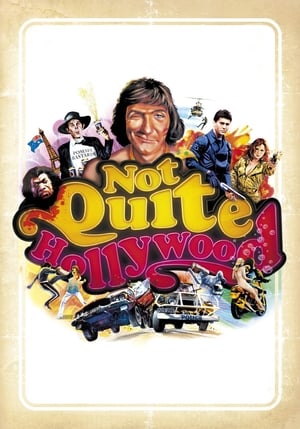
As Australian cinema broke through to international audiences in the 1970s through respected art house films like Peter Weir's "Picnic At Hanging Rock," a new underground of low-budget exploitation filmmakers were turning out considerably less highbrow fare. Documentary filmmaker Mark Hartley explores this unbridled era of sex and violence, complete with clips from some of the scene's most outrageous flicks and interviews with the renegade filmmakers themselves.
Documentary about Japanese film director Shohei Imamura.
This film is part of a project that has listened to over 40,000 people on masculinity issues and has resulted in a documentary and a tool book based on this publicly available study through an agreement with the Social Information Consortium (CIS) of the University of São Paulo.
A hilarious introduction, using as examples some of the best films ever made, to some of Slovenian philosopher and psychoanalyst Slavoj Žižek's most exciting ideas on personal subjectivity, fantasy and reality, desire and sexuality.
A remote and wild island on the west coast of Scotland is home to a small group of people that live in deep connection with the land, the sea and the weather. For different reasons, they left their city life to escape their inner demons and to live as eco-friendly and sustainable as possible.
A 60-minute salute to American International Pictures. Entertainment lawyer Samuel Z. Arkoff founded AIP (then called American Releasing Corporation) on a $3000 loan in 1954 with his partner, James H. Nicholson, a former West Coast exhibitor and distributor. The company made its mark by targeting teenagers with quickly produced films that exploited subjects mainstream films were reluctant to tackle.