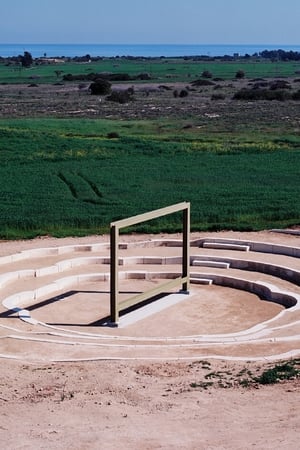
Takes place in the Saharawi refugee camps in Algeria against the historical backdrop of Spanish colonialism and the Moroccan invasion of the Western Sahara. The Saharawi women, who make up 80% of the adult refugee population, provide a powerful voice as they reveal how they came to assume primary responsibility for the survival of the remains of their families and in turn the entire refugee population.
A quickfire portrait of the New York City ballroom scene in the ‘80s.
In the most personal and unflinching film of his career, historian Simon Schama confronts the enormity of the Holocaust and the catastrophe experienced by its victims. In a journey that ends with his first visit to Auschwitz, Simon travels across the Continent to explore how the Holocaust was far more than a Nazi obsession that played out in gas chambers, but a European-wide crime of complicity. From bullets in the Lithuanian lands of his ancestors to bureaucracy in the Netherlands, he reveals how deep-rooted prejudice was weaponised to turn people against their Jewish neighbours. As a moving interview with a survivor reveals, the story of how ‘evil comes step by step’ remains powerfully relevant today.
In 1961, history was on trial... in a trial that made history. Just 15 years after the end of WWII, the Holocaust had been largely forgotten. That changed with the capture of Adolf Eichmann, a former Nazi officer hiding in Argentina. Through rarely-seen archival footage, The Eichmann Trial documents one of the most shocking trials ever recorded, and the birth of Holocaust awareness and education.
The film describes the life of the last Macedonian nomadic ethnic group, so called Karakachani. In 18th century, their ancestors, ants of the Traco-Illyrian, leaded by Papucoroshi, as a result of the Turkish oppression withdrew from Gramos, passing through the Macedonian mountains. They settled the surroundings of the mountain Osogovo, particularly the village Vrbica, in Kochani’s district. Nowadays, they can be seen dressed in black, on market days through the towns of Eastern Macedonia. In spring, before they leave on their nomadic trip with the flocks of sheep, at first they fleece the sheep and make various handmade products for domestic use. During their stay in the mountains, they are occupied with milk production and manufacturing. They live a quiet nomadic life, moving themselves from one pasture to another with their whole equipment. They spend the winter period in the warmer districts, along the valley of the Vardar River.
George Lucas, Irvin Kershner, Lawrence Kasdan and John Williams look back at The Empire Strikes Back 30 years later.
Mountain Gorilla takes us to a remote range of volcanic mountains in Africa, described by those who have been there as ""one of the most beautiful places in the world"", and home to the few hundred remaining mountain gorillas. In spending a day with a gorilla family in the mountain forest, audiences will be captivated by these intelligent and curious animals, as they eat, sleep, play and interact with each other. Although gorillas have been much-maligned in our popular culture, viewers will finally ""meet the legend"" face to face, and learn about their uncertain future.
The history of the Warsaw Ghetto (1940-43) as seen from both sides of the wall, its legacy and its memory: new light on a tragic era of division, destruction and mass murder thanks to the testimony of survivors and the discovery of a ten-minute film shot by Polish amateur filmmaker Alfons Ziółkowski in 1941.
JaBig, a Montreal-based DJ, is on a quest to beat the record for the longest continuous bike ride in a single country. Join him on the last day of his ride to discover what happens when you stop listening to all the reasons why you shouldn’t, and listen to the voice inside you, telling you to go.
World-renowned snowboarders Travis Rice and Elias Elhardt team up with legendary director Curt Morgan for a celebration of space and time filmed in the deep backcountry of Alaska, exclusively on location at Tordrillo Mountain Lodge.
Alexis is a 32-year-old white woman married to Alain, an African from Rwanda. This documentary focuses on Alexis giving birth in her parents home. As her parents and great-grandmother look on, a calm mid-wife delivers ten and a half pound Jazmine. The documentary is Interspersed with interviews with Alexis, her husband, Alexis' parents, the soon to be great-grandmother and the midwife.
On Manhattan's jam-packed streets, NYC's most iconic driving instructor prepares students for the road ahead.
A long-haul trucker turns to YouTube to combat loneliness and social isolation. Under the handle “MsDivaTrucker43,” she discovers a supportive community of women who share her struggles of life in the margins. It is difficult for women in an industry that is 96% male to see themselves succeeding. Tamara's words of wisdom and encouragement offer women a model and a path forward.
A short documentary about the former judoka Marina and her Judo Club for People with Disabilities - "Fuji". Its brave members cope with all things Judo and real-life challenges, but always with a smile and the heart of a true judoka.
The final episode in our Mini-Docs series comes from musician and writer Jake Anderson, who explores the niche music genres which find an increasing audience in the North East. On a mission to discover outside-the-mainstream sounds and the driving forces behind their creation, Jake chats with musicians Me Lost Me, SQUARMS and Mariam Rezaei, along with some of the major players keeping these sonically-engaging sound makers doing what they’re doing, including Simeon Soden from Kaneda Records and Lee Etherington of TUSK. This mini-documentary features reflections on some of the most unique acts in the North East, what genre boundaries actually mean and artists’ hopes for the future of the North East’s alternative scene. This is an Art Mouse film for NARC. TV, written and directed by Jake Anderson.
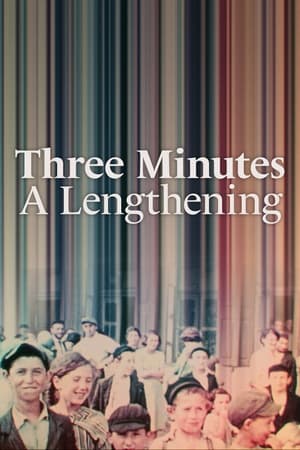
The story of the only three minutes of footage —a home movie shot by David Kurtz in 1938— showing images of the Jewish inhabitants of Nasielsk (Poland) before the beginning of the Shoah.
An inside look at the making of Feud: Bette and Joan.
A documentary about the life of Jewish children forced to live in the Theresienstadt concentration camp.
A documentary chronicling the adolescent years of Elie Wiesel and the history of his sufferings. Eliezer was fifteen when Fascism brutally altered his life forever. Fifty years later, he returns to Sighetu Marmatiei, the town where he was born, to walk the painful road of remembrance - but is it possible to speak of the unspeakable? Or does Auschwitz lie beyond the capacity of any human language - the place where words and stories run out?
Documentary brings the time of the Holocaust to life and provides insight into the mind of the organizer of this crime: Adolf Eichmann. The documentary contrasts Eichmann's statements and memories - documented in the original soundtrack - directly with those of Holocaust survivors. The picture of the person and the crime is rounded off by the many contemporary witnesses who were involved either in Eichmann's arrest or the subsequent trial - such as the doctors and psychologists who looked after him, the guards and police officers through to the interrogator, the public prosecutor and the judge at the trial.