A man is haunted by the mysterious CHICKENMAN after he chooses not to order a takeaway.
Then, now, where? how?
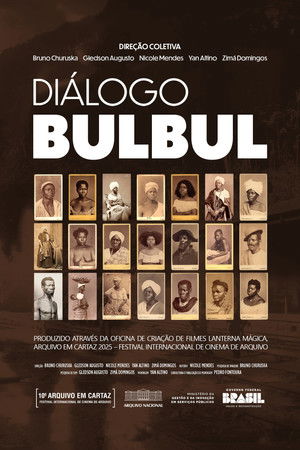
Drawing from archives, through the collective force of invention and resistance, and evoking the creative power of Black people, the film summons sonic and visual memories to construct an insurgent remix.
NAILS is a black and white, dialogue-free surreal horror short film. The story is carried through image, rhythm, and score rather than dialogue.
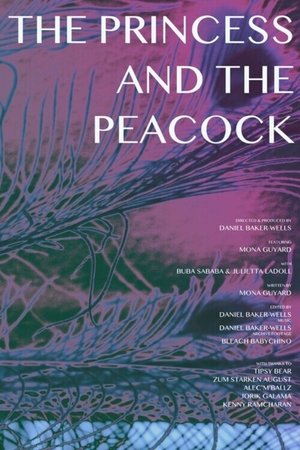
Mona is a 22 year old trans girl from a small village in France. She puts needles attached to peacock feathers in her skin, under bright lights, late at night. She bleeds, half naked, in front of small crowds of people. Sometimes they faint whilst watching her. Why would she do this? How did she learn to do it? And why would someone want to watch?
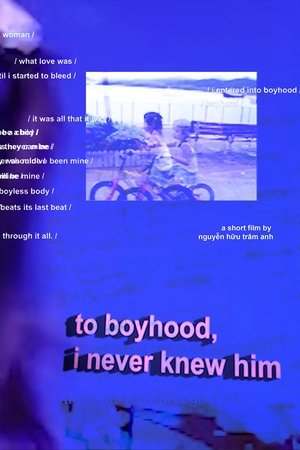
Archive footage from 2006 - 2010 of a young girl growing up during the ages of four to eight. Only fragments of what is remembered exists. Words from a transgender man float to the surface as fleeting memories go on.
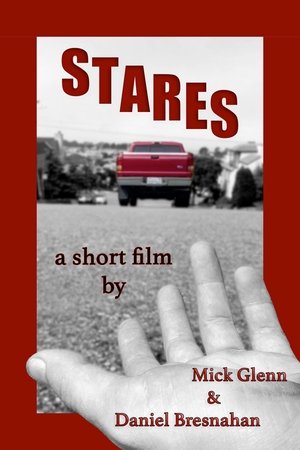
A motorist is haunted by a wayfarer he has accidentally wronged.
In this single character-driven movie, we follow the life of meta, an archaeologist. In her excavation she comes across an old ruin and unknowingly falls trap to a curse. This curse later leads her head to get stuck in a mystical pot. It is the nature’s payback to her unknown karmic cycle.
This is a story about a man who believes that he has two “selves” - external and internal. That is, an organism is a certain conglomerate of cells, each of which is a separate individual. This hybrid creature has a certain common personal “I” that uses the entire organism, and is the organism itself, which has its own will. According to the character, one can communicate with him, which is what he is trying to do. He wants to reach him and comes up with different ways of communication: injecting substances under the skin or intravenously, tattooing texts on the body, swallowing objects. The answer would come in the form of a rash or other physical manifestation that had to be interpreted. As a result, communication is carried out and the second “I” agrees to die.
Alone in the cosmic sea, a voice cries out to you.
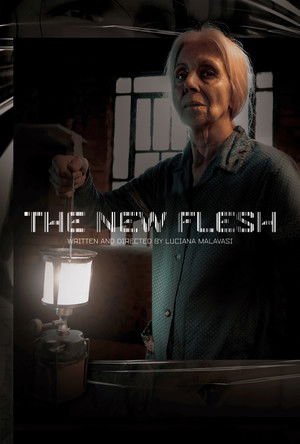
On an isolated farm, a woman finds an injured and frightened woman in her old chicken coop. Moved by an inexplicable instinct, she decides to help her, without imagining that this silent encounter will awaken buried secrets. When tension finally gives way to trust, something dark approaches, bringing a truth that no one could have foreseen.
A theoretical exercise can stem from a physical one: using the camera as if it was the vibrating device placed on the olive trees for the harvest of its fruit, the final result is a series of original and intriguing images. The camera shakes, gets in and out of focus, and we don’t exactly know what is happening. At first this is a strange disorientation, but then you get used to it through the cyclical mechanical noise that joins the images. The words of a peaceful female voice allows you to frame the film: a visual exercise after all can also be free.
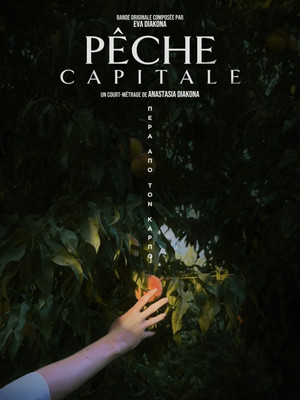
Pêche Capitale
Lamenti Siderali
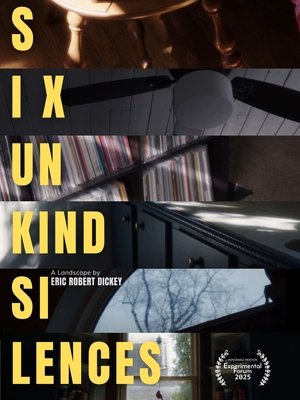
A Landscape documentary about the silent voids the living inhabit after everyone they love has gone.
Sometimes you’re at home with a friend and you tell them that if you don’t leave you’ll be late and the response is a crazy, unexpected and utter frenzy.
A tactile exploration of the inherent duality of violence and sensuality in nature.
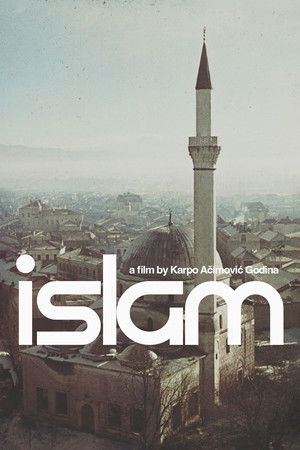
This short film is part of Karpo Aćimović Godina's experimental and documentary work in 1970s Yugoslav cinema. It extends his interest in regional identities, minorities, and the visual traces left by different cultures on Yugoslav territory. The film offers a journey through examples of architecture, decor, and objects related to Islamic tradition in the former Yugoslavia, such as mosques, ornamental elements, and calligraphy. It explores how this art is embedded in the region's history and in the daily lives of the communities that produced it. It is an observational film, without a dramatic plot, functioning primarily as a "visual essay" on the material culture of Islam in a Balkan context. The tone is analytical and contemplative, closer to a cultural study or a poetic inventory.
The "bleared eyes of blue glass" in the title of this experimental short expand on a verbal image from Virginia Woolf's novel The Waves, considered the most experimental among the 20th-century British writer's literary works, from which the young filmmaker took inspiration for his film, borrowing passages and visions to explain his own understanding of what cinema is. A film that plays with water - precisely - and light, and yet in a very dark b&w lit up by rare flashes of colour, making a journey in the night in which the shadow of a man gradually acquires substance.
Between screens and hallucinations, Jô experiences a nightmare on his way home.