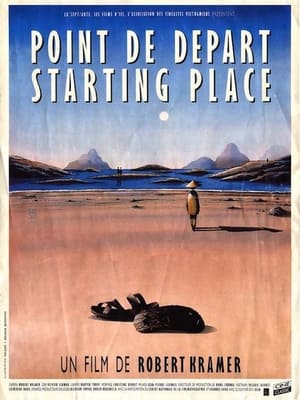
In this film from late in his career, Kramer returns to Hanoi after nearly 25 years to re-envision the city’s struggle through an uncertain and daunting past, present, and future. The Vietnamese characters in the film are diverse: Kramer’s former guide from an earlier visit in 1969; a tight-rope walker in the national circus; a man who took photos of B-52s and another who lost his fingers shooting them down.
January 2011 : the revolution bursts in Tunisia, my father’s country. The Tunisian people scream in a rage and I, here in Paris, can feel their revolt vibrating in my heart.
One day, as you leave work and head home, something unexpected happens. Everywhere you go, paths begin to open and multiply. You can go anywhere you want, and with each place you choose, a new version of yourself emerges. You begin to disappear and in that disappearance you feel free: no longer being one, but becoming another, becoming many others. Individual experience gives way to the collective. A constant search for a place in the world. Walking toward the other, toward the unknown—yesterday, today, and tomorrow.
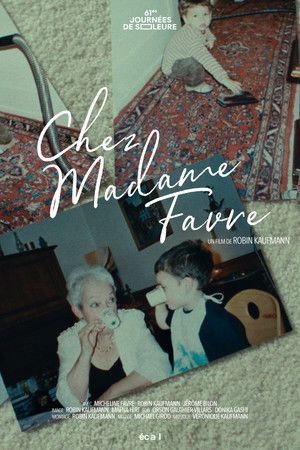
In a nursing home, a young man visits his grandmother. As she constantly repeats that she wants to go home, his grandson visits her now empty apartment, seeking to capture memories of a fading past.
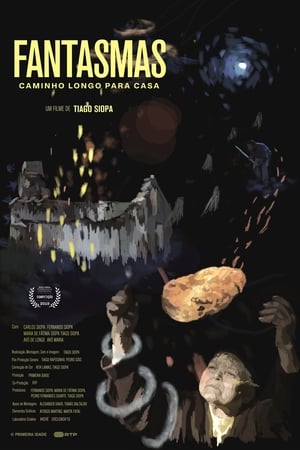
After a spell cast by Grandma Faraway, the oldest son of a small family encounters the ghost of his late Grandma Maria still living in her old house, and they chat as they used to.
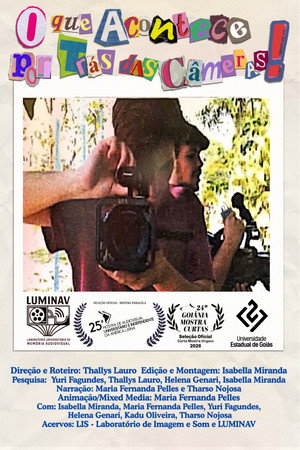
O Que Acontece Por Trás Das Câmeras
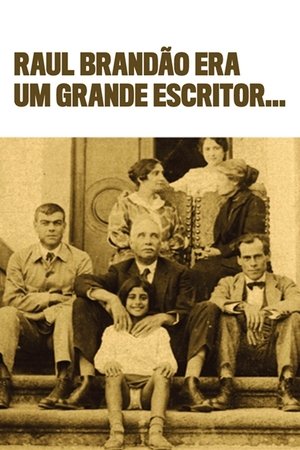
This film is an attempt to disclose if Raul Brandão has left any trace, in Nespereira, Gumarães.
In the town of Xoco, the spirit of an old villager awakens in search of its lost home. Along its journey, the ghost discovers that the town still celebrates its most important festivities, but also learns that the construction of a new commercial complex called Mítikah will threaten the existence of both the traditions and the town itself.
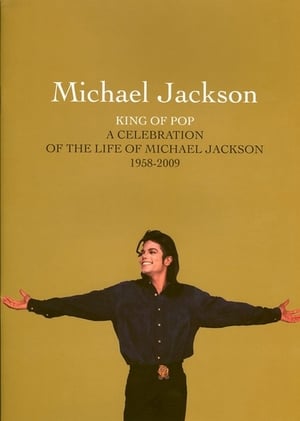
A live telecast of the public memorial service for the king of pop, Michael Jackson.
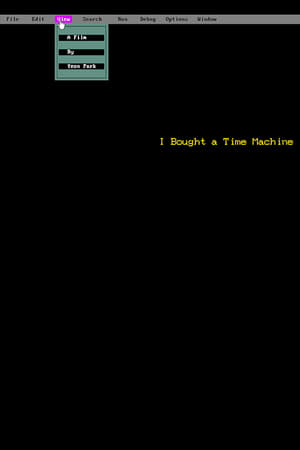
Yeon Park orders a time machine on eBay for her father’s birthday, seeing it as an opportunity to discover a few truths about her family’s past. Yeon responds to her father’s private prints through another distribution of the sensible. Fun and intimate, I Bought a Time Machine uses technology like a mediation necessary for communication.
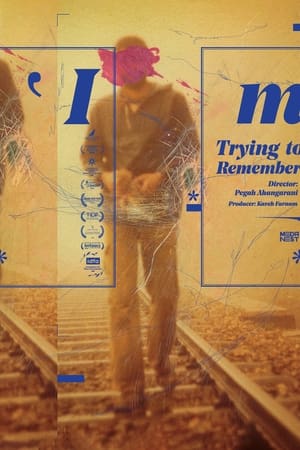
Pegah talks about Gholam, a man who’s not like her father, mother, uncles, or aunts, even though he’s always present at family gatherings. Gholam films these everyday scenes with his own camera. At the time, Pegah can’t imagine what the purpose of these films might be, but she’s happy to pose before the lens of this family friend, who she’s certainly very fond of.
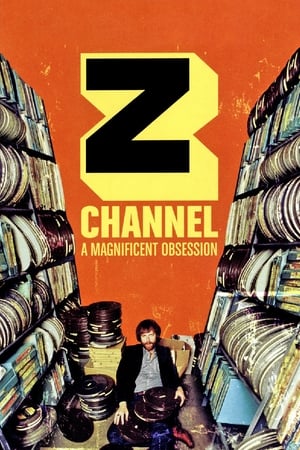
A documentary on the Z Channel, one of the first pay cable stations in the US, and its programming chief, Jerry Harvey. Debuting in 1974, the LA-based channel's eclectic slate of movies became a prime example of the untapped power of cable television.
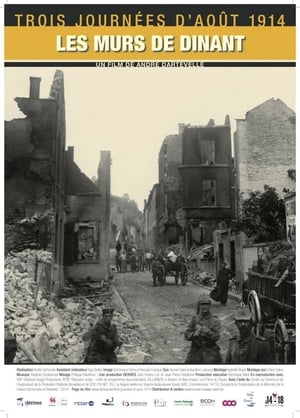
Documentary on the atrocities the germans committed at the start of WW I in Dinant.
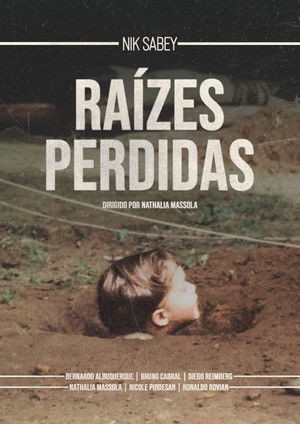
Raízes Perdidas
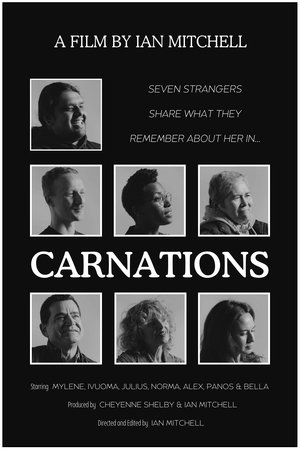
Seven strangers are interviewed to talk about the relationship they have with their mother.
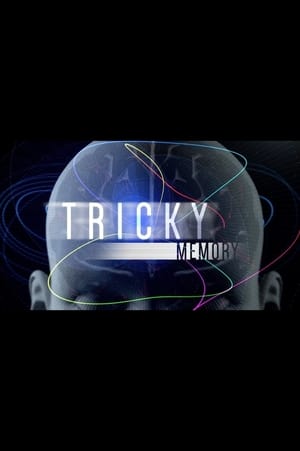
The lastest neuroscience discoveries show surprising results: false memories, distortion, modification, déjà vus. Our memory is affected in many ways, and deceives us every day. The very fact of recalling souvenirs modifies them. The everyday consequences are manyfold. To what extent can we rely on our souvenirs? How much credit can we give them during trials? Even more shocking, scientists have proved to be able to manipulate our memory: creating artificial souvenirs, deleting, emphasizing or restoring them on demand.
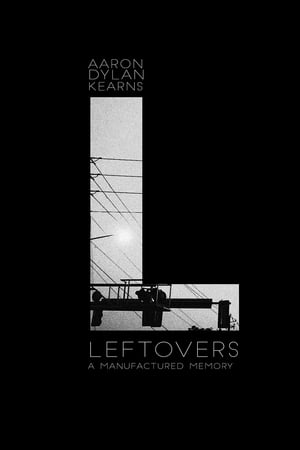
A manufactured memory.
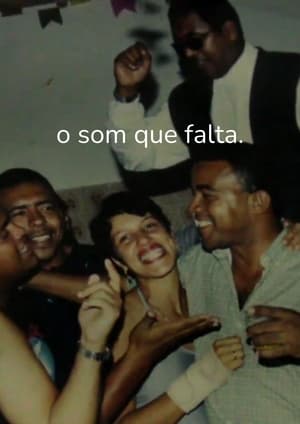
o som que falta
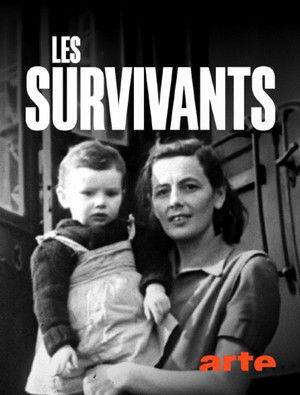
Les survivants, l'impossible départ après la Shoah
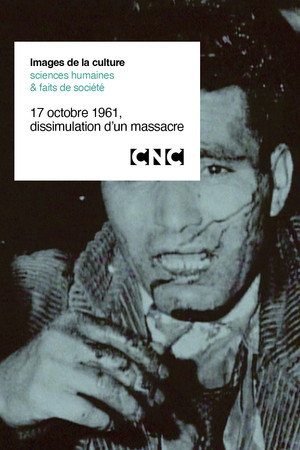
On October 17 and 18, 1961, during a non-violent demonstration against the imposed curfew, dozens of Algerians were murdered in Paris by police officers acting on orders from their superiors. For forty years, this crime has been concealed; yet these events, the deadliest on French soil since the Second World War, resemble, in some respects, the darkest hours of the collaboration. Why has this history been hidden? Under what conditions, and in the name of what reasons, did officials of a democratic state conceal the scale and gravity of such events?