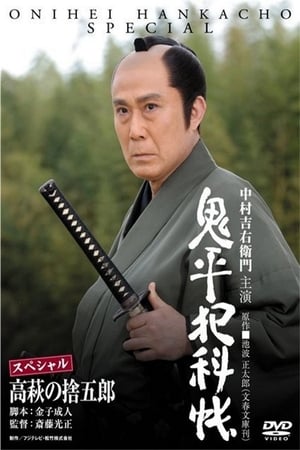
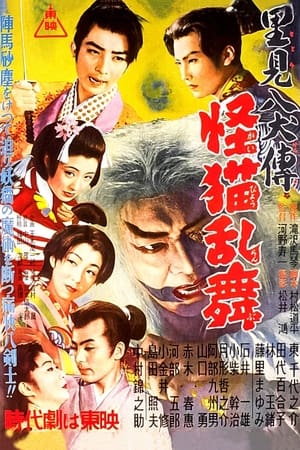
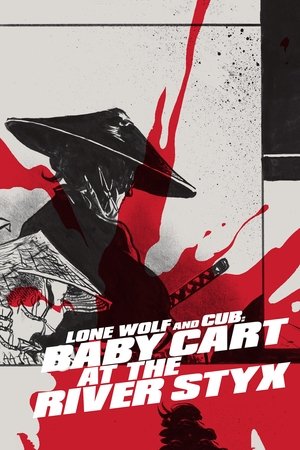
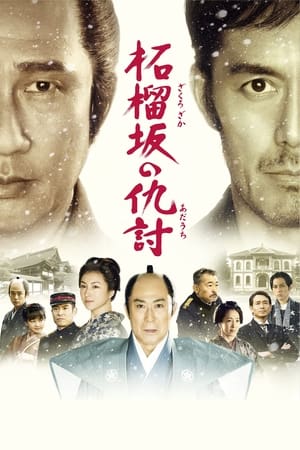
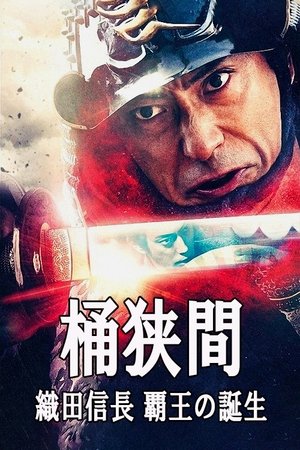
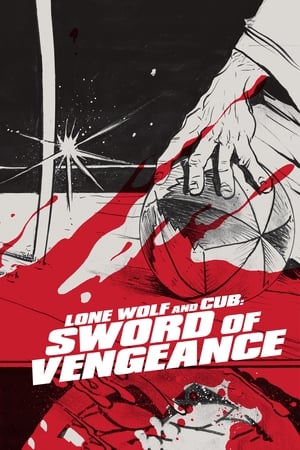
The second of a two-part ninja action series depicting the elaborate espionage campaign occurring behind the scenes of the 'Toba-Fushimi Battle'. Japan at the end of the Edo Period brought the era of the samurai to a close and made the importance of ninja obsolete. While the forces of the new government and the former shogunate battle fiercely, Sho, a master of the Ryukyu martial arts fulfill a fated rematch with an old adversary.
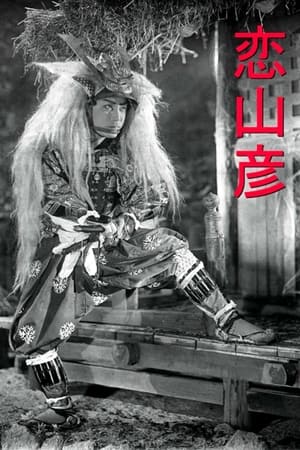
The Color Print of Edo is a 1939 black and white Japanese silent film with benshi accompaniment directed by Kazuo Mori. It is a cheerful period drama, sprinkled with comical scenes and tells the story of a loyal and handsome Edo period servant who fights to help his older brother marry the woman he loves. The star of this film, Utaemon Ichikawa, gained enormous popularity for his portrayal of a cheerful and chivalrous man.
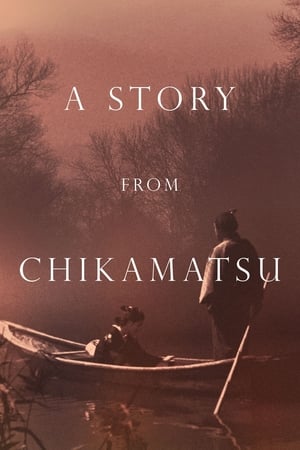
A rebellious ninja in 17th century Japan takes refuge with a fisherman and his family.
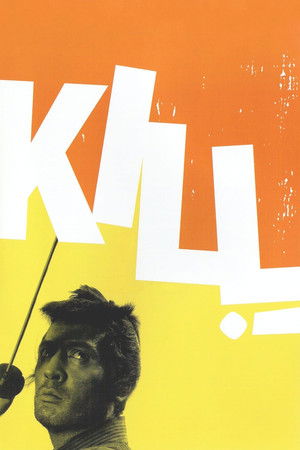
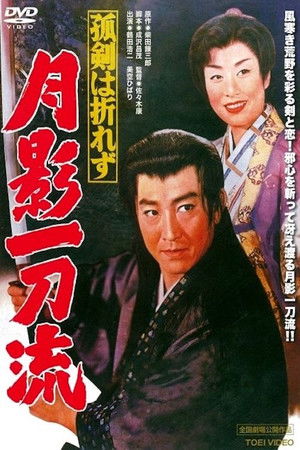
A pair of down-on-their-luck swordsmen arrive in a dusty, windblown town, where they become involved in a local clan dispute. One, previously a farmer, longs to become a noble samurai. The other, a former samurai haunted by his past, prefers living anonymously with gangsters. But when both men discover the wrongdoings of the nefarious clan leader, they side with a band of rebels who are under siege at a remote mountain cabin.
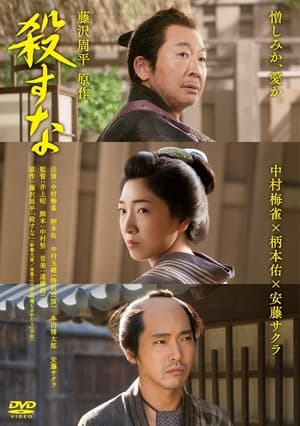
In the late 19th century, rakugo student Taihei gives up hope of making the grade, and his despair leads him to take up residence at a rowhouse in Tokyo's Fukagawa district. There he meets an emotionally distant boy named Sadakichi, and as fate would have it, he ends up teaching him rakugo.
Momotaro carries this sword into battle against injustice in shogunate Japan. Aided by ninja he must now wage a furious battle against the terrible “Ran” clan, villains in league with Ohara Ukon, a bitter samurai nursing a grudge against the shogunate. Together the ruthless conspirators will threaten the foundations of shogunate rule over Japan. Only the relentless slashing sword of Momotaro may save the nation from the Ran clan's army of killers.
When Mio was young, she lost her parents in a great flood and also became separated from her best friend Noe. Afterwards, Mio found her talent in cooking and eventually became a cook. Meanwhile, Noe has become an oiran (high-ranking courtesan).
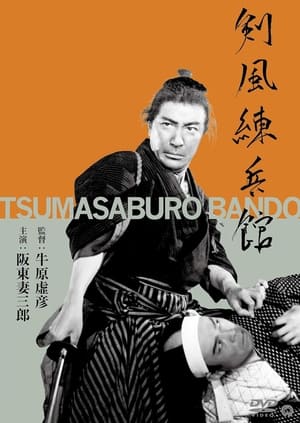
During the 1880's a young swordsman, Saotome Gengo, on his way to Tokyo stops at an inn in a small town. But he does not know that his prowess has already attracted envious attention and that Senzo, the boss of the local gang, plans to have him killed. Seiji, the disowned son of the innkeeper, has run up a big gambling bill and, to settle it, the hoodlums decide to kill him. He is saved, however, by Hanako, star of the dancing troupe also staying at the inn. Gengo meets Hanako and learns that the troupe cannot open their show because the local police corruptly demand too much of the receipts. After another fight, Gengo sees the police-chief on behalf of the troupe, but is refused. So he suspects that the police and the hoodlums are implicated with each other. There seems no way to open the show until they hear that the governor is coming to the town for a local banquet. They appeal to him and he promises to investigate. It is decided that a duel will settle the matter...
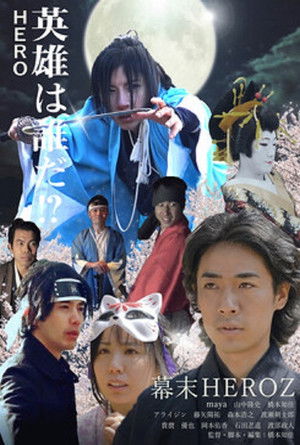
A thrilling and entertaining piece in which Jirokichi, portrayed by Morio Kazama, tackles a major event involving an attempt to assassinate the shogun. This production features historical figures such as Toyama Kagemoto, Oshio Heihachiro, Utagawa Hiroshige, and Watanabe Kanzan in their youth, depicting their exploits before they became famous. It becomes a lively portrayal of youthful vigor, with scenes of Jirokichi leaping using trampolines, creating a light and lively action.
A story about a tomboy, Otoshi, who is good at singing, dancing and fencing.
The film tells about a young detective Zenigata Heiji who successfully solves a disgusting and unusual case involving the manufacture of counterfeit money.
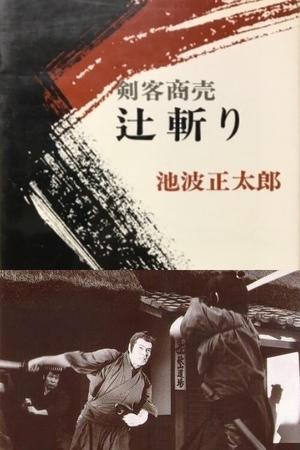
Kanichiro Yoshimura is a Samurai and Family man who can no longer support his wife and children on the the low pay he receives from his small town clan, he is forced by the love for his family to leave for the city in search of higher pay to support them.
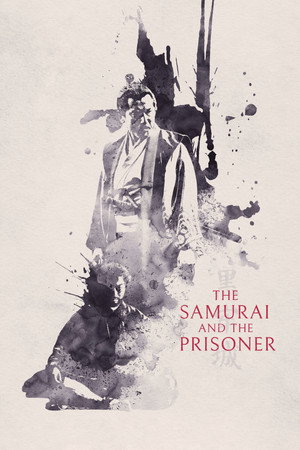
Down-on-his-luck veteran Tsugumo Hanshirō enters the courtyard of the prosperous House of Iyi. Unemployed, and with no family, he hopes to find a place to commit seppuku—and a worthy second to deliver the coup de grâce in his suicide ritual. The senior counselor for the Iyi clan questions the ronin’s resolve and integrity, suspecting Hanshirō of seeking charity rather than an honorable end. What follows is a pair of interlocking stories which lay bare the difference between honor and respect, and promises to examine the legendary foundations of the Samurai code.
Getting an opportunity to meet with another half-Caucasian swordsman, Kyoshiro finds himself involved in a series of dangerous encounters.
In the last days of the Tokugawa shogunate, there was a cute warrior, Souji Okita, who belonged to the armed police of the shogunate in Kyoto. Very few knew that Souji was not a boy, but a woman. Souji loved the vice-leader of the armed police, Toshizou Hijikata. Souji suffered from pulmonary tuberculosis and coughed up blood during a battle. Toshizou helped her but said that he did not care for the girl with a smell of blood. Souji had a real talent for swordsmanship and no one but Ryouma Sakamoto could compete with her. Ryouma was a liberal intellectual and tried to carry out a revolution without blood. However, the bloody Meiji Restoration broke out and Souji killed Ryouma who lost his dream. Because a friendship had sprung up between Toshizou and Ryouma, Toshizou got angry and slashed at Souji with a sword. Unwillingly, she unsheathed her sword and thought that she might get love if she was killed by the man she loved.
Kichigoro, a firefighter from the Maeda family of the Kaga Principality, rescues Oshimo, the younger sister of Jirokichi, a city firefighter from the Ha-gumi group, from a samurai who is trying to kidnap her. Oshimo has feelings for Kichigoro. At this moment, a fire warning bell sounds in the city...
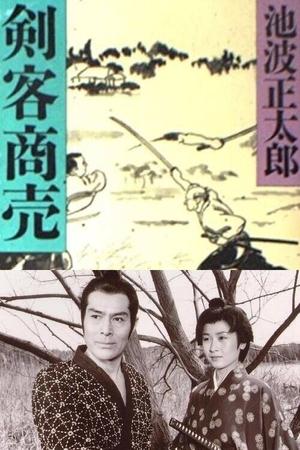
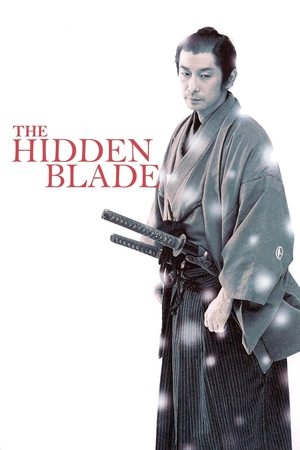
During the Edo period, a gifted swordsman was exiled from his clan when he questioned the misconduct of his leader. Years after, his dying wife wish was for him to go back to his clan.
The news that the fifth Shogun Tsunayoshi was seriously ill caused a fierce struggle for the post of sixth shogun between the Mito faction and the faction of Chief Adviser Yanagisawa Yoshiyasu. Two mysterious love stories develop against the background of a violent conspiracy that arose because of a strange painting in the sand. And then the empty-headed ronin Morio Jushiro will flash his enchanted sword in this unique, thrilling story full of unexpected twists. Adapted from the novel "Sunae Jubaku: Asahishinbunsha" by Seji Hajime.
Against the backdrop of the Edo treasury devaluing currency and driving many into poverty, Hanzo Itami enforces the law without regard to status. He shows inadequate respect to the treasurer, who wants him dead.
Hanzo extracts a confession from a ghost using his assaulting methods, foils thieves, connects with Heisuke Takei a friend from his youth, offers protection to a forward-thinking physician Genan Sugino who has defamed his ruler, discovers a pleasure ring of young wives and a blind music teacher, and cuckolds a corrupt official under his very nose.