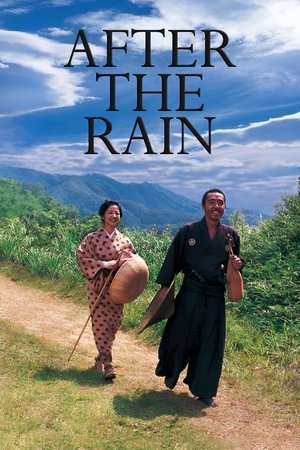
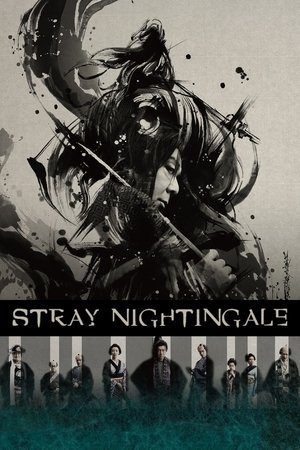
A group of travelers is stranded in a small country inn when the river floods during heavy rains. As the bad weather continues, tensions rise amongst the trapped travelers.
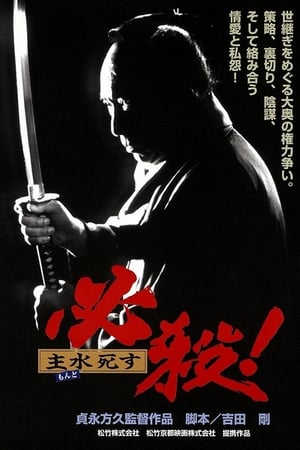
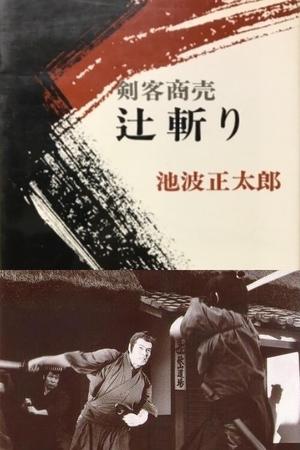
When an artist dies, the official cause of death is judged to be a stroke, but his daughter suspects foul play. She recruits the services of an assassin, who by chance encounters an old friend...
A samurai answers a village's request for protection after he falls on hard times. The town needs protection from bandits, so the samurai gathers six others to help him teach the people how to defend themselves, and the villagers provide the soldiers with food.
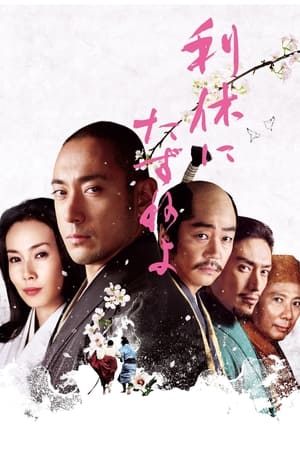
Sen no Rikyu (Ebizo Ichikawa) is the son of a fish shop owner. Sen no Rikyu then studies tea and eventually becomes one of the primary influences upon the Japanese tea ceremony. With his elegant esthetics, Sen no Rikyu is favored by the most powerful man in Japan Toyotomi Hideyoshi (Nao Omori) and becomes one of his closest advisors. Due to conflicts, Toyotomi Hideyoshi then orders Sen no Rikyu to commit seppuku (suicide). Director Mitsutoshi Tanaka's adaptation of Kenichi Yamamoto's award-winning novel of the same name received the Best Artistic Contribution Award at the 37th Montréal World Film Festival, the Best Director Award at the 2014 Osaka Cinema Festival, the 30th Fumiko Yamaji Cultural Award and the 37th Japan Academy Film Prize in nine categories, including Best Art Direction, Excellent Film and Excellent Actor.
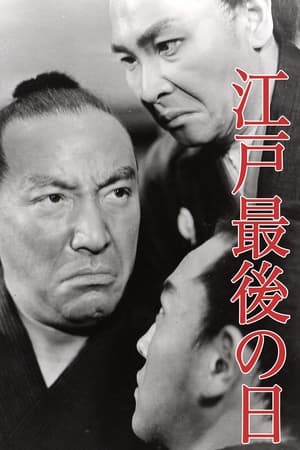
It is a historical drama that follows Katsu Kaishu's efforts to surrender Edo Castle bloodlessly in the first year of the Meiji period.
Kohei Akiyama, a popular master swordsman, and his son Daijiro live in the town of Edo in good faith. While running a dojo, Daijiro and his father find themselves wrapped up in a series of events with the town's people.
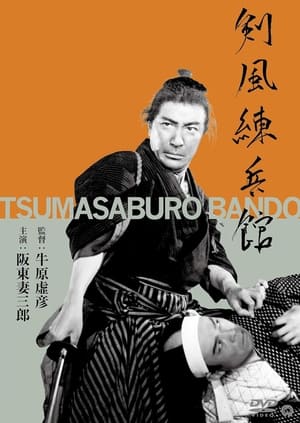
Near the end of the shogunate in Japan, Katsura Shogoro and his fellow samurai from the southwestern domain of Choshu enter the dojo of Saito Yakuro, the famed Shindo Munen Ryu swordsmen of Renpeikan in Edo. Katsura is initially not welcomed by the other, senior dojo followers. Undeterred, he focuses on improving his skill not only in swordsmanship but also learning how to repel the foreign British and American ships that threaten their domain.
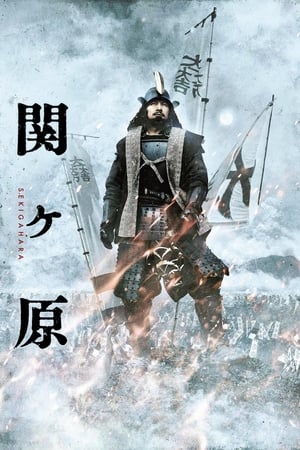
The background to and depiction of a watershed battle in Japanese history, at Sekigahara in 1600, when Tokugawa Ieyasu's Army of the East defeated the Army of the West of Ishida Mitsunari. The story includes the intrigues and shifting loyalties of the various retainers, family members, and samurai.
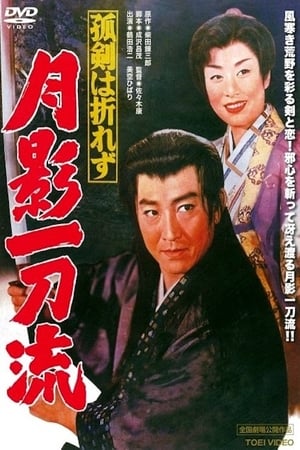
When master swordsman Mikogami Genshiro of the Ono fencing school returns to find that his ailing sensei has been murdered in the dead of night, he must find the culprit and exact revenge. His return sets off a series of violent incidents and incites a high ranked female skilled in sword to test his mettle after he unwittingly offends her. The ever delightful Misora Hibari co-stars with the great Tsuruta Koji in this exciting tale set in the earliest days of the Tokugawa shogunate. Lots of exciting swordfights highlight this entertaining motion picture!
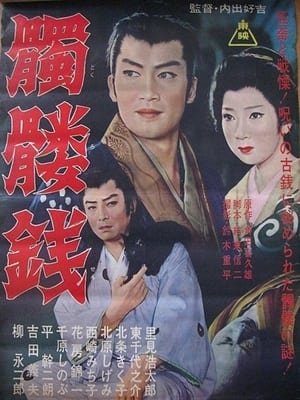
The mysterious story behind the Skull Coins, which are said to reveal the location of treasure, and the battle for them will make your heart beat faster.
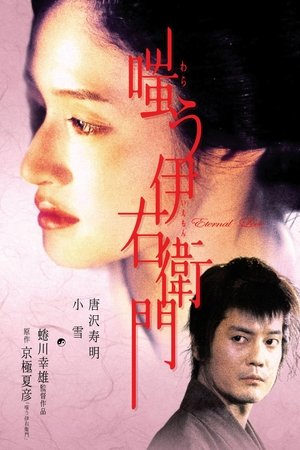
Having put down his sword and given up the will to fight, the masterless samurai Iemon lives in solitude while being haunted by his violent enigmatic past...
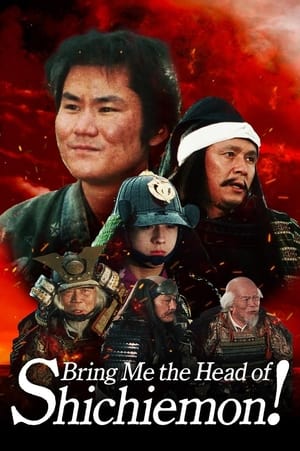
During the Sengoku period, an army relentlessly lays siege to a castle, but they will need the head of the opposing lord to declare victory.
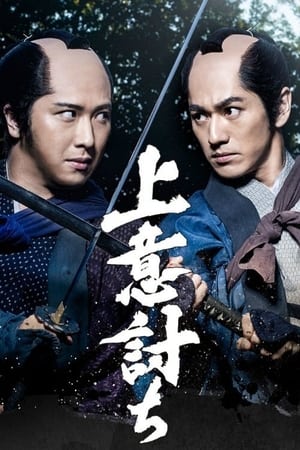
One samurai is ordered to kill another by their master in punishment.
Japan, 1785. Jūzaburō, a famous thief who refuses to kill innocent people, is betrayed, ambushed, and left for dead.
Naosuke, a servant of Okajima Yasoemon, devoted himself to his master. One day, his master Okajima Yasoemon, lost his face in front of people. It was a revenge by Oono, a karo (minister) who lost his chance to earn money by selling a fake antique to the lord. Okajima told the lord it was fake. Okajima endured Oono's humiliation. But, his servant Naosuke, could not. But what could he do? Oono is superior of his master. Naosuke would not hesitate to lay down his life for his master. But killing Oono would ruin his master. He wanted to clear his master's disgrace. What to do?
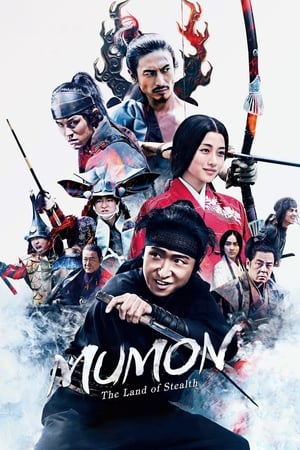
Raised suckling poison arrows among the sparring Iga ninja factions, Mumon is a carefree 16th-century mercenary. When the ninja council makes a power play to defeat the young Nobukatsu Oda struggling to step into his father’s warlord shoes as they expand rule across the country, Mumon jumps into the fray to satisfy his new bride Okuni’s demand that he make good on his promises of wealth. Yet Mumon soon finds what is worth fighting for beyond money or nation.
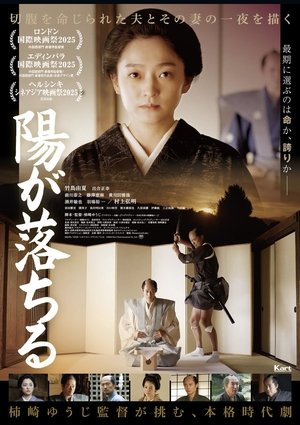
Kakizaki Yuji’s period film is not like the jidaigeki films we are used to. While it deals with themes of seppuku, duty, and loyalty to one’s masters and the shogun, we see very little in terms of action. Instead, the film focuses on the inner thoughts and struggles of the protagonist—who is ordered to perform a ritual suicide—his wife, and their entire household, all leading up to the final moment.
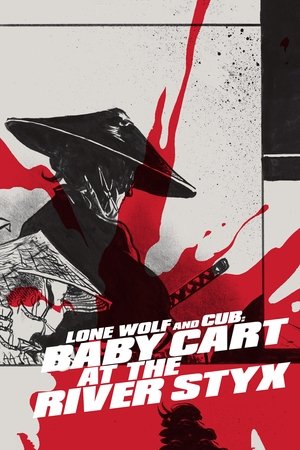
Ogami Itto battles a group of female ninja in the employ of the Yagyu clan and must eliminate a traitor who plans to sell his clan's secrets to the Shogunate.
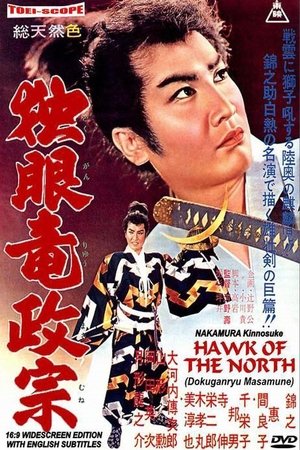
During the latter part of the 16th Century, Japan's Warring States era was coming to a close. After crushing almost all of his enemies, Date Masamune aka the "Hawk of the North" sets his eyes on Hatakeyama's lands. The young warlord is about to face his greatest challenge.
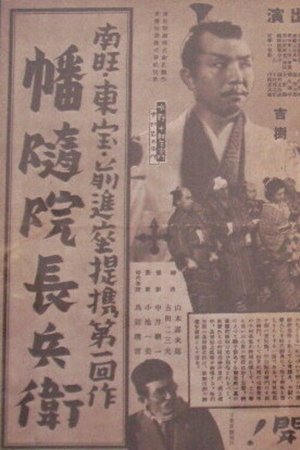
A jidaigeki film on Banzuiin Chōbei produced in 1940 and directed by Yasuki Chiba.