Mona Achache delivers a delicious portrait of her grandmother, Suzanne Achache–Wiznitzer, affectionately nicknamed "Mamé". Short film from the Grandmas Project, a collaborative web documentary that invites filmmakers from across the world to document their grandmothers’ signature recipes.
As the months pass through her, Mai gives us a glimpse into old age that explores between being abandoned and being belonged, passing the time and living the time.
A love letter to grannies. Aina is an 88-year old retiree. Yes, health issues lay at the core of her life, but her view on life, however, is full of understanding, ease and humour. Five different phrases used by her daily reflect her personality and constitute the structure of the film.
For more than a decade, my grandmother has been the tireless caregiver of my grandfather, who suffers from Alzheimer's disease. Through this story, we explore the love, sacrifice, and despair of someone who devotes their life to caring for another.
Faced with an assignment to film something personal, Cem begins a quiet search for what that really means. A casual conversation with a close friend leads him to turn the camera toward the people who already shape his life. Through moments with his grandmother, spontaneous talks about family, and reflections on his dream of becoming a filmmaker, MozikMoro slowly transforms into a portrait of connection and self discovery. Between the ordinary and the intimate, Cem captures a world that is both deeply personal and universally human.
A New Yorker journeys to the jungle in the Darien Gap of Panama to reconnect with an indigenous tribe he met and photographed 20 years ago. Their reunion highlights the profound power of photos and the human connection that transcends cultural barriers.
La mamie patineuse du lac Baïkal
10 May 2007 - China's staggering economic growth has overshadowed a more subtle shift in Chinese society. In domestic life, many women are now ignore the advice of their mothers and grandmothers, turning instead to counselling hotlines and, increasingly, divorce.
Haja Fatma, a mother to eight children, tells the tale of family life in Tripoli during the Libyan Revolution. Women, young and old, all contributed during these hostile months in their own unique way. A human portal into the acts of ordinary people in their hope for freedom.
A brief glimpse through the life of Granny Lue. A woman of faith, fearlessness, and fierce energy, she never allowed her disability to determine her ability to live.
Rafaela, an 80-year-old woman, has a long conversation with her grandson, going over his path from childhood to old age. Now that she has been diagnosed with chronic breast cancer, faith is more present in her life than ever, which coexists with Rafaela's fear of death, and her grandson's fear of dying.
Zona
The Mirror Room is a 38-minute hybrid AI + human film by Malaysian artist Armen Jay. Part monologue, part memory ritual, this cinematic experience blends original music, archetypal AI voices, and real-life recovery to explore grief, rebirth, and identity. Premiered at Sunway University in October 2025, now available for stream + download worldwide.
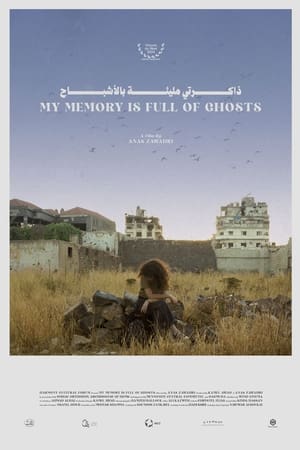
Like a visual elegy, My Memory Is Full of Ghosts explores a reality caught between past, present and future in Homs, Syria. Behind the self-portrait of an exsanguinated population in search of normality emerge memories of the city, haunted by destruction, disfigurement and loss. A deeply moving film, a painful echo of the absurdity of war and the strength of human beings.
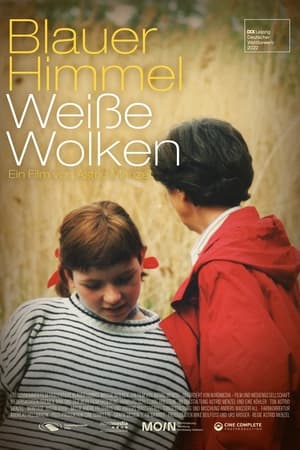
Grandma has become a little doddery. And since the death of her husband, called E.O., ever bigger gaps have opened in her memory, and her disorientation has increased. Director Astrid Menzel makes a decision: to take a ten-day canoe trip on northern German waters with her brother and the 86-year-old lady. An adventure whose outcome is uncertain and which the three travellers have to face anew at every stage.
Otakar Vávra walks through Prague in front of the camera and with the camera, and remembers those who in the 1930s determined the pulse of the cultural and political life of that time.
Jonathan Stavleu explores, in a stream-of-consciousness video essay, the relationship people have with water and what happens when access to it is taken away. For this work, he examines anecdotal histories he has heard from Estonians, as well as stories from his own family history in the Netherlands, weaving them together into a journal-like narrative.
When two siblings undertake an archaeological excavation of their late grandmother’s house, they embark on a magical-realist journey from her home in New Jersey to ancient Rome, from fashion to physics, in search of what life remains in the objects we leave behind.
Samirah, a grandmother who lived three parts of her life, starting with her daughter who married and then converted, the death of her husband and ending with loneliness.
Teta Kaabour is an 83-year old family matriarch and sharp-witted queen bee of an old Beiruti quarter. She’s been gripped as of late by the silence of her once-buzzing household where she raised children and grandchildren. Resigned to Argileh smoking and day-long coffee drinking on a now-empty balcony, Teta now invokes the deepest memories of her violinist husband who died twenty years ago. She claims a preparedness to re-unite with him.