A retelling of the events of 9th November 1974 when a group of teenagers saw an unidentified object flying over Salem Mountain.
Following the 1974 French presidential campaign with Valéry Giscard d’Estaing.
In 1972, a plane carrying an Uruguayan rugby team disappeared into the Argentinean Andes. Now, 50 years after one of the greatest ordeals of survival in recorded human history, the full story is finally comprehensively told through the words of each of those who lived it.
Spain, 1970s. A Clockwork Orange, a film considered by critics and audiences as one of the best works in the history of cinema, directed by Stanley Kubrick and released in 1971, was banned by the strict Franco government. However, the film was finally premiered, without going through censorship, during the 20th edition of the Seminci, the Valladolid Film Festival, on April 24, 1975. How was this possible?
Australian-made film with Steven Spielberg, Stan Deyo, Stanton Friedman, Dr. Alan Hynek, Jacques Vallee, Ken Arnold, Betty Hill and Ray Palmer (publisher of the Shaver Mystery). This rare TV documentary gave birth to The Cosmic Conspiracy and contains clips of the first episode of Star Wars and Jaws.
Summer of revolution
A 15 minute documentary utilizing archival Super 8 film footage and original animation about a father fulfilling his dream of reconnecting his 5 small children to the steps of his own father when he fought for the Canadian military in WW2 through a trip to Europe in 1973.
During the 16th Workers' Festival in Dresden in 1976, a student group of Chilean emigrants paints a mural symbolically depicting the activity of the Unidad Popular during Salvador Allende's reign. Festival guests comment on this work. Music by Chilean music group Jaspampa, formed in Leipzig in 1972.
In this feature-length documentary, six teenage girls, aged 14 to 16, agree to open up and have their private worlds invaded by the camera. They have to face problems that they intend to take on "to the end": early experience of sexuality, belonging to a gang, relationships with parents, social tolerance, friendship... They live tender and pure lives in their own way.
In 1966 a group of determined young men defied the New Zealand government and launched a pirate radio station aboard a ship in the Hauraki Gulf.
DRIVE-IN DELIRIUM is back and now delivering a collection of the most astounding trailer trash ever to engulf the Age of Aquarius and the Disco era in cinematic up-chuck! Bursting with over 6 hours of non-stop sex, violence, monsters and mayhem in 146 theatrical trailers.
1972 was a turning point in Ilie Nastase's career: he won his first US Open, while also reaching both Wimbledon and Davis Cup finals. Moving back and forth in time and featuring amazing archive footage and exclusive interviews with top athletes, the documentary explores Nastase's highs and lows, the controversies that surrounded him and the enduring impact he has had on the world of tennis. Lovable, charming and generous, yet temperamental, arrogant and obscene, Mr. Nice'n'Nasty disrupted the old-fashioned etiquette of the sport in the 70s thus becoming its first rebel rock star.
This nostalgic sports documentary captures the New York Knicks at the height of their golden era during the 1970s, revealing in the process a singularly gifted and inspired team revered by its fans.
Charts the life and career of Scottish boxer Ken Buchanan, the 1970-71 undisputed lightweight world champion.
Interviews from women involved in the 70's and 80's rock music industry. An examination of the people taking advantage of underage fans and calling for a "Me too" movement in the music world
This definitive music documentary, featuring a greatest hits soundtrack and bounty of classic performance clips, provides an inside look into how Swedish pop group ABBA's music was made, as the former members and various colleagues tell their story from pre-ABBA days onward.
A fine documentary that details the sordid life of 1970s pornographic actor John Holmes, from the stories of his fellow actors, his ex-wives, and directors. Clips of his work are shown and insight on what made the man tick are given. Despite all his flaws, you can't help but admire him for what he was.
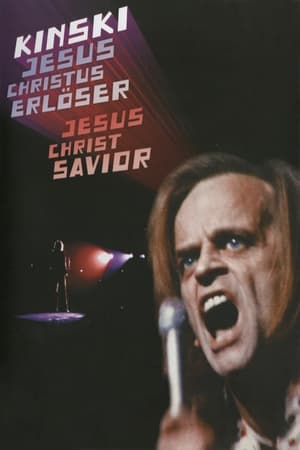
Klaus Kinski has perhaps the most ferocious reputation of all screen actors: his volatility was documented to electrifying effect in Werner Herzog’s 1999 portrait My Best Fiend. This documentary provides further fascinating insight into the talent and the tantrums of the great man. Beset by hecklers, Kinski tries to deliver an epic monologue about the life of Christ (with whom he perhaps identifies a little too closely). The performance becomes a stand-off, as Kinski fights for control of the crowd and alters the words to bait his tormentors. Indispensable for Kinski fans, and a riveting introduction for newcomers, this is a unique document, which Variety called ‘a time capsule of societal ideals and personal demons.’
The film looks at men and women of color in the U.S. Merchant Marine from 1938-1975. Through chronicling the lives of these men and women who, with a median age of 82, are beset with a host of life-threatening illnesses, the movie tells how they navigated issues of racism, disparities in the workplace, gender and familial relations.
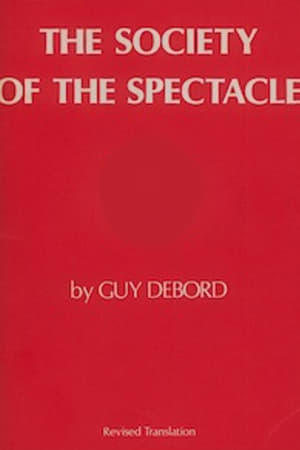
Guy Debord's analysis of a consumer society.