A homeless man living in a encampment in Minneapolis tells his perspective on the ongoing crisis of homelessness.
A cinematic portrait of the homeless population who live permanently in the underground tunnels of New York City.
A camera sits on top of a moving train, providing a panoramic view of Ealing (western London) as the train moves.
L'album de famille de Jean Renoir
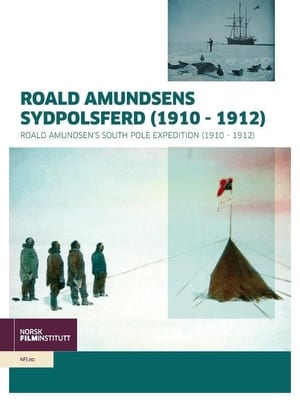
Roald Amundsen's South Pole Journey is a Norwegian documentary film that features Roald Amundsen's original footage from his South Pole expedition from 1910 to 1912.
Barcelona. Ritmo de un día
Gitanos sin romancero
Fritz Lang, le cercle du destin - Les films allemands
A documentary about some of the comedians of the silent era featuring clips from their films and biographical information.
Reenactment of Jesus Christ with his cross.
An educational short telling us that wheels are, in fact, round!
Documentary, black and white.
A documentary portrait of Calcutta
A perspective and reflection on the work of Gabriel Ferrandini.
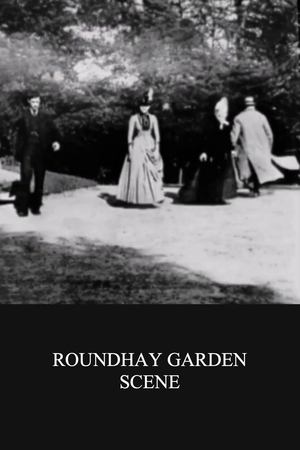
The earliest surviving motion-picture film, and believed to be one of the very first moving images ever created, was shot by Louis Aimé Augustin Le Prince using the LPCCP Type-1 MkII single-lens camera. It was taken on paper-based photographic film in the garden of Oakwood Grange, the Whitley family house in Roundhay, Leeds, West Riding of Yorkshire (UK), on 14 October 1888. The film shows Adolphe Le Prince (Le Prince’s son), Mrs. Sarah Whitley (Le Prince’s mother-in-law), Joseph Whitley, and Miss Harriet Hartley walking around in circles, laughing to themselves, and staying within the area framed by the camera. Roundhay Garden Scene is often associated with a recording speed of around 12 frames per second and runs for about 2 to 3 seconds.
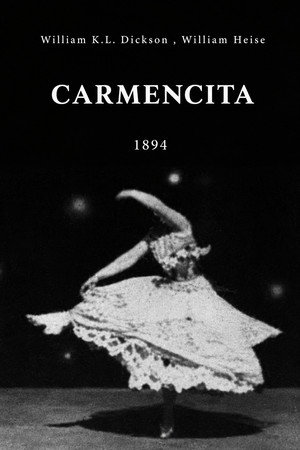
The first woman to appear in front of an Edison motion picture camera and possibly the first woman to appear in a motion picture within the United States. In the film, Carmencita is recorded going through a routine she had been performing at Koster & Bial's in New York since February 1890.
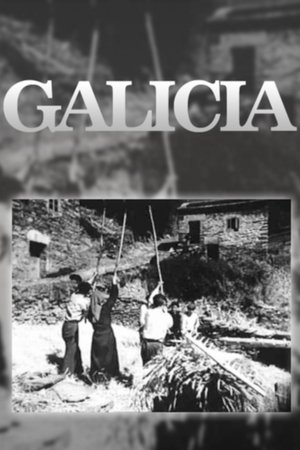
Short documentary about social and economic situation in Galicia (Spain) in 1936
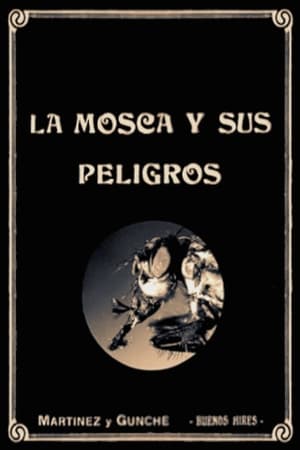
The Dangers of the Fly is an educational film made by Ernesto Gunche and Eduardo Martínez de la Pera, also responsible for Gaucho Nobility (1915), the biggest blockbuster of Argentinean silent cinema. De la Pera was a talented photographer, always willing to try new gadgets and techniques. This film experiments with microphotography in the style of Jean Comandon's films for Pathé and it is part of a series which included a film about mosquitoes and paludism and another one about cancer, which are considered lost. Flies were a popular subject of silent films and there are more than a dozen titles featuring them in the teens and early twenties.
This documentary tells the story of the brilliant Italian polymath, artist, sculptor, painter, poet, musician, writer, philosopher, scientist, botanist, geologist, cartographer, mathematician, anatomist, paleontologist, architect, urban planner, engineer, and inventor. The legacy of the brilliant Leonardo (1452-1519) to the world came in many forms: in the breathtaking beauty of The Last Supper and The Mona Lisa; in his rich collection of engravings; and in his notes on original thoughts on astronomy, biology, and physiology.
A pro-Republican propaganda documentary made during the Spanish Civil War. It reports on the demonstration held in Barcelona on December 27, 1937 to commemorate the capture of Teruel by the Republican forces.