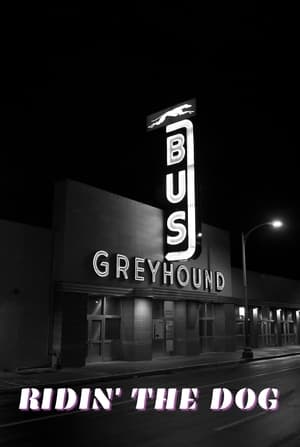
The world-famous Greyhound bus is almost as old as the Wild West. It is a symbol of North America, of progress, and of nostalgia. Reporter Studs Terkel travelled 2,000 miles across the United States by Greyhound. From Seattle to Chicago, he observes his fellow-passengers. He meets a number of travelers who appear to be very interesting people: a Native American boxer on his way to his birthplace in Montana, a bar owner who was a bank robber in a former 'career', a 99 year old woman who is still running a busy hotel, and, of course, a pedigree cowboy. The spectator of this film listens to their personal stories, watches the beautiful scenery, and is treated to famous feature film fragments in which the Greyhound bus plays a part. Seven states and two time zones later, he is back in his cinema seat.
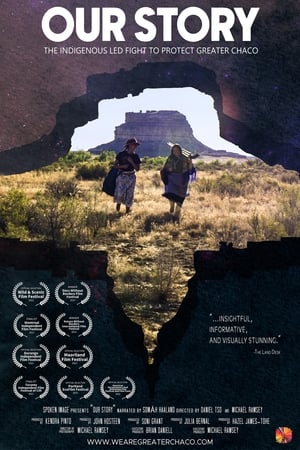
Over 90 percent of the available lands in the Greater Chaco region of the Southwest have already been leased for oil and gas extraction. Witness the Indigenous-led work to protect the remaining lands that are untouched by oil and gas, as well as the health and well-being of communities surrounded by these extractive industries.
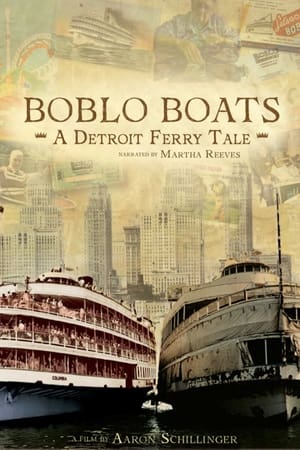
For over 85 years, steamship Ste. Claire transported generations of Detroiters to Boblo Island, an amusement park nestled in the waters between the US and Canada. When the vessel comes under threat of ruin, a doctor, psychic and amusement park fanatic unite to save their beloved steamship from the scrapyard. Interweaving local lore and mythology, "Boblo Boats" explores the whitewashed history of amusement parks and one crew's crusade to bring back the memories.
This short documentary chronicles the culture and arts of Cambodian Americans and the Lowell, MA community through the eyes of Sokhary Chau, the first Cambodian American Mayor in the United States. Chau immigrated to the U.S. at seven years old to escape the Khmer Rouge genocide. Through this unique story that showcases the best of Lowell—immigrant success, assimilation, history, and the development of the arts—we see a man born into a war-torn country who comes to America to be a first-in-the-nation leader.
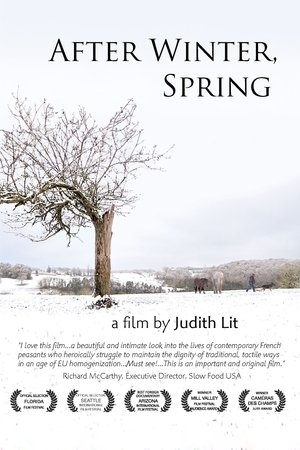
Family farmers in southwest France practice an ancestral way of life under threat in a world increasingly dominated by large-scale industrial agriculture.
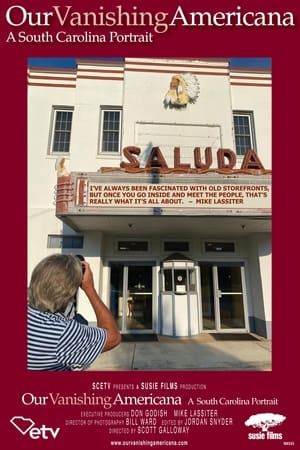
Photographer Mike Lassiter journeys across South Carolina capturing the stories of historic, often family-run businesses that line main streets from the coast to the upstate.
At a critical moment in the history of the written word, as humanity’s archives migrate to the cloud, one filmmaker goes on a journey around the globe to better understand how she can preserve her own Romanian and Armenian heritage, as well as our collective memory. Blending the intellectual with the poetic, she embarks on a personal quest with universal resonance, navigating the continuum between paper and digital—and reminding us that human knowledge is above all an affair of the soul and the spirit.
What life was like in the ancient Roman city of Pompeii moments before it was devastated by the eruption of Mount Vesuvius in A.D. 79.
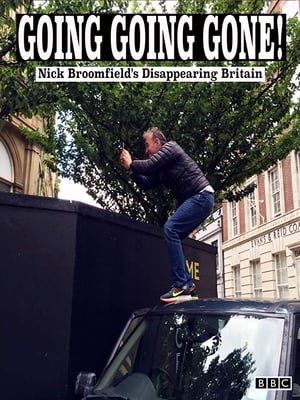
Two iconic British buildings - the Wellington Rooms in Liverpool and the Coal Exchange in Cardiff - are threatened with demolition and Nick Broomfield is on the case.
Mark and Dan Jury document the gradual demise of a community nestled within the Cuyahoga National Recreation Area between Akron and Cleveland, Ohio, as the National Park Service works to acquire the land of ~500 residents in order to establish a National Park. After initially being told only a handful of houses would be taken, residents are shocked by hundreds of homes and businesses being bought up, boarded up, and posted No Trespassing - and by the homes of the politically connected being spared. Significant portions of this film appeared in the PBS FRONTLINE episode For the Good of All.
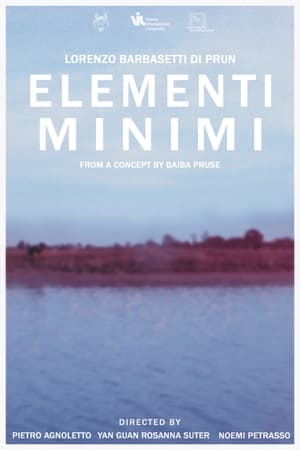
The documentary explores the world of culture, nature and gastronomy through one chef's eyes across the marshlands of the Venetian Lagoon.
A new reading of the historical period that began with the reign of the Catholic Monarchs (1479-1516) and the discovery of America (1492), as well as an analysis of its undeniable influence on the subsequent evolution of the history of Spain and the world.
Through the unrelenting winter in the north of Japan, a small group of workers must brave unusual working conditions to bring to life a 2,000-year-old tradition known as sake. A cinematic documentary, The Birth of Sake is a visually immersive experience of an almost-secret world in which large sacrifices must be made for the survival of a time-honored brew.
The film was shot in an old, decrepit building where dozens of guest-workers' families live. The owner, a local influential politician, has avoided paying for the maintenance of the building under the legal standards by using his connections to proclaim the building a national cultural heritage. However, the rent he has been charging was as if the building were an object that offered standard comfort. The only German tenant takes the crew around and speaks of his battle against the landlord’s manipulation.
A bus stop on an industrial highway in New Jersey becomes the focus of a timely and intimate examination of marginalized lives in America. 'The #1 Bus Chronicles' interweaves portraits of the lives, pursuits, trials, and dreams of the riders of New Jersey Transit's #1 bus line, taking us into their workplaces, homes, and day-to-day lives.
During the Cultural Revolution in China in the late 20th century, ethnic Manchu people were persecuted and forced to give up such cultural traditions as the shaman dance (tiao tchin, meaning "spirit-jumping" or "god's dance"). However, on Changbai Mountain in Northeast China, a farmer named Guan Yunde decided to start designing and building traditional Manchu shaman drums. At age 70, he is one of a minority of ethnic Manchu people in China's Jilin province, and one of the few people keeping the Manchu shamanic tradition alive.
At its heart, it’s a battle for homeland and sovereignty. Bears Ears, a remote section of land lined with red cliffs and filled with juniper sage, is at the center of a fight over who has a say in how Western landscapes are protected and managed.
Profiles the culture, lifestyles, and rituals within the New York City subways.
Documentary following a real-world Indiana Jones: Brent Easter. A federal agent for Homeland Security Investigations, Easter tracks the black market sale of antiquities, tracing sacred artifacts stolen from a village in India to a store on Madison Avenue.
Terry Wilson is a 70-year-old lifelong resident of Meadowvale Village, Ontario's first heritage district. As development looms and begins to destroy Terry's favourite place in the world, he recreates pieces of history in his backyard, crafting an oasis where it feels like nothing has changed. A beautiful tribute to his childhood, his mother, and his town, Terry passionately fights to preserve history in a world that's too anxious for change.