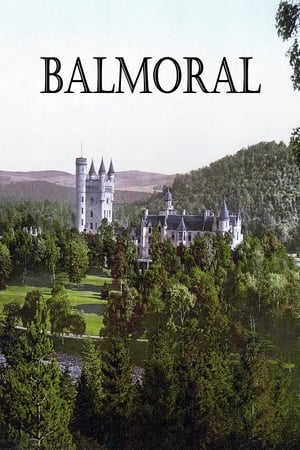
Documentary telling the story of Balmoral, the royal family's most private residence. For over 150 years this Scottish castle has been home to royal traditions of picnics, stag hunting and kilts. From prime ministers to Princess Diana, life at this tartan-bound holiday home has not appealed to everyone. But there is another story of Balmoral, of how the royal family has played a role in shaping modern Scotland and how Scotland has shaped the royal family. Queen Victoria's adoption of Highland symbols, from tartan to bagpipes, helped create a new image for Scotland. Her values, too, helped strengthen the union between Scotland and England. Ever since, Balmoral has been a place that reflects the very essence of the royal family.
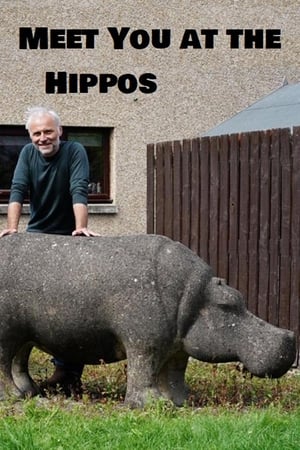
Actor Mark Bonnar is on a mission to understand more about the Scottish new towns in which he grew up, exploring the street sculpture made by artists such as his dad in the 60s, 70s and 80s. He discovers why the new towns are there and how they enticed people out of the bigger cities, and uncovers the surprising ways in which public art changed the new towns and the new towns changed public art. Mark's father, Stan, made sculptures that stand to this day on the streets of Glenrothes, East Kilbride and the Scottish new town that never was, Stonehouse. These new towns employed town artists to make artworks in the very housing precincts the new residents were moving into.
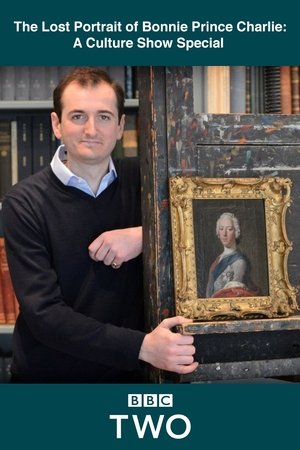
In 2009, art detective Dr Bendor Grosvenor caused a national scandal by proving that the Scottish National Portrait Gallery's iconic portrait of Bonnie Prince Charlie, the rebel Stuart who almost seized power in 1745, was not in fact him. Keen to make amends, and suspecting that a long-lost portrait of the prince by one of Scotland's greatest artists, Allan Ramsay, might still survive, Bendor decides to retrace Charles's journey in the hope of unravelling one of the greatest mysteries in British art.
The rivalry between football clubs Rangers and Celtic goes past typical name calling and dives into violence, racial slurs and pure hatred. The rivalry between Glasgow's "Old Firm" sides is the most famous in world football. It's the game's flagship loathing, proof of the power of the sport to inspire profound levels of tribal loyalty and a near-Pavlovian revulsion at anything to do with a rival. We examine the situation and try to get a handle on the political, religious, and national identity clashes that have shaped the rivalry, speak to fanzine editors on both sides of the divide and travel with the Bhoys' away support to a match at Tannadice.
Scotland is a country of three distinct regions—the highlands, the islands, and the lowlands. These regions are examined, showing how the isolated people contact the outside world with their use of channel boats called “Puffers,” how they observe the customs of the seasons, and how the various clans and regiments celebrate their history at the Edinburgh Festival.
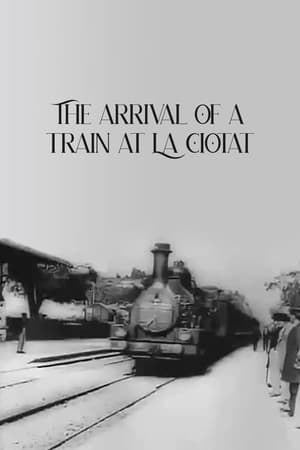
A group of people are standing along the platform of a railway station in La Ciotat, waiting for a train. One is seen coming, at some distance, and eventually stops at the platform. Doors of the railway-cars open and attendants help passengers off and on. Popular legend has it that, when this film was shown, the first-night audience fled the café in terror, fearing being run over by the "approaching" train. This legend has since been identified as promotional embellishment, though there is evidence to suggest that people were astounded at the capabilities of the Lumières' cinématographe.
A day in the city of Berlin, which experienced an industrial boom in the 1920s, and still provides an insight into the living and working conditions at that time. Germany had just recovered a little from the worst consequences of the First World War, the great economic crisis was still a few years away and Hitler was not yet an issue at the time.
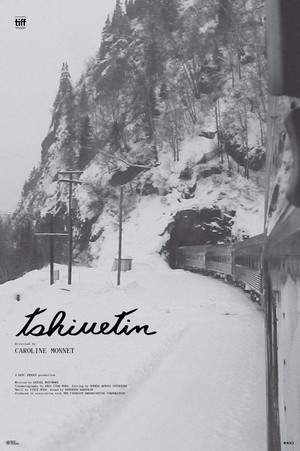
Take a breathtaking train a ride through Nothern Quebec and Labrador on Canada’s first First Nations-owned railway. Come for the celebration of the power of independence, the crucial importance of aboriginal owned businesses and stay for the beauty of the northern landscape.
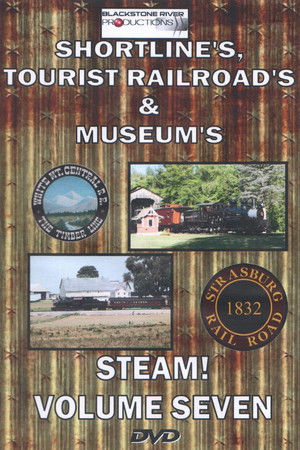
In this production, we take a ride on the Strasburg Railroad and check out the White Mountain Central Railroad's Railfan Days. We start off at Strasburg Railroad and a trip behind #475 for a trip from East Strasburg to Leaman Place in Paradise. We use our 180º camera and attach it on the rear of the car behind the #475 for the 4 1/2 mile trip to Paradise. Next, we travel to the White Mountain region of New Hampshire and the White Mountain Central Railroad at Clark's Trading Post. We check out Railfan Days in September to catch all the operating steam locomotives along with non-operable locos as well! We also capture the lone diesel locomotive in action. We capture all the action from both sides of the classic covered bridge and along the line!
Banlie.ue
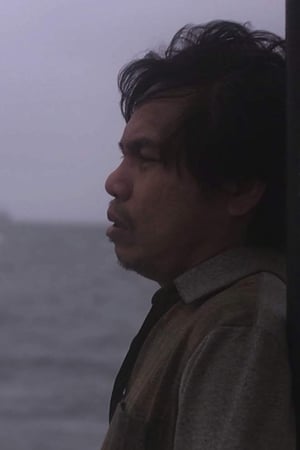
Work. Eat. Sleep. And back to work. For a long time skippers in the North East of Scotland could not find locals to work on their fishing vessels. That was until Filipino fishermen started coming to town for work. Both nationalities strive to shorten the distance between two very different worlds.
A short documentary about the construction of the parisian subway in the 50s.
Multi-award winning E11 tells the story behind the first ascent of Rhapsody, a route considered to be the hardest traditional rock climb in the world. Told in an offbeat dramadoc style the film attempts to understand what it takes to climb a route of this standard and strives to get inside the head of its first ascentionist, the understated yet quite remarkable Dave MacLeod.
Twenty years on from winning Pop Idol, Scottish singer Michelle McManus reflects on her roller coaster life and career, and revisits iconic TV talent show moments.
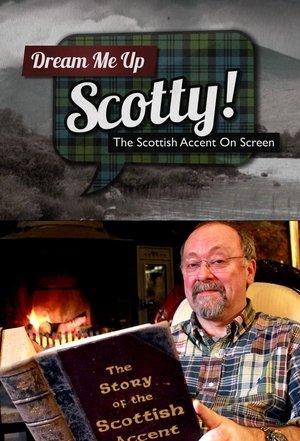
Alex Norton discovers how showbusiness has handled the portrayal of the Scottish accent. For over 100 years audiences have struggled to understand our braw brogue: silent Harry Lauder films attempted an accent in the captions, and in Hollywood's golden era , everyone wanted to paint their tonsils tartan- but as examples from Katharine Hepburn, Orson Welles and Richard Chamberlain show, they couldnae. Then Disney made Brave and proved that it disnae have to be all bad!
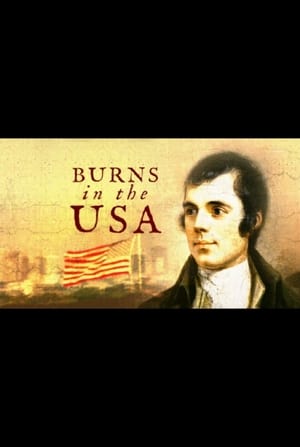
Robert Burns was well aware of the revolution taking place across the Atlantic as he grew up. The poet was inspired. And America was to be inspired by him. From Abraham Lincoln to Frederick Douglass, and Walt Whitman to Bob Dylan, some of the most significant figures in American politics and culture have cited Burns as an influence.
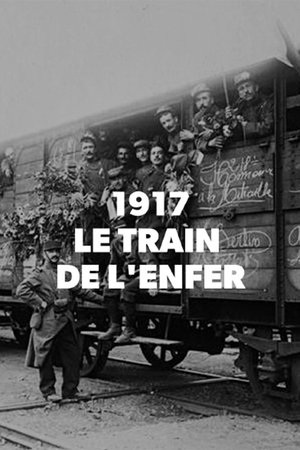
1917, The Train from Hell is an historical documentary about a train accident during WW1.
The exquisite Rosslyn Chapel is a masterpiece in stone. It used to be one of Scotland's best-kept secrets, but it became world-famous when it was featured in Dan Brown's the Da Vinci Code.
A documentary outlining the railroad's roll in expanding the nation.
A documentary on railroads doing their daily tasks created by trhe The Milwaukee Railroad