The American Southwest is a feature length blue chip natural history film narrated by indigenous environmentalist Quannah Chasinghorse. The movie journeys down the mighty Colorado River, examining the astonishing beauty and biodiversity of the region, while confronting the environmental destruction from dams and the perilous fate of the river. The story is told through never-before-seen wildlife sequences such as beavers building wetlands, condors recovering from the brink, and the potential return of Jaguars to American soil. The film beautifully advocates for better management of the river and increased wildlife conservation efforts in the iconic landscapes of The American Southwest.
Greenpeace the story
L'Éveil de la Permaculture
Capturing CO2 to recycle it, brightening clouds to better intercept sunlight, massive reforestation: here's an overview of scientific solutions to combat global warming that offer a glimmer of hope.
Werner Herzog's documentary film about the "Grizzly Man" Timothy Treadwell and what the thirteen summers in a National Park in Alaska were like in one man's attempt to protect the grizzly bears. The film is full of unique images and a look into the spirit of a man who sacrificed himself for nature.
Julien, le marais et la libellule
Werner Boote presents an up-close and personal view of the controversial and fascinating material that has found its way into every facet of our daily lives: plastic. He takes us on a journey around the globe, showing that plastics have become a threat for both environment and human health.
Their destiny was well mapped out: brilliant studies, the promise of a good job and a big salary. However, nothing happened as planned. Aurélie, Maxime, Hélène, Emma, or Romain are graduates of Polytechnique, Sciences Po, Centrale or business schools. They have made a radical choice: to give up the future they were promised for a life they consider more compatible with the environmental and societal issues of our time. This film tells their story. For a year, the young director Arthur Gosset, himself a student at Centrale Nantes, followed the journey of six young people, their sometimes difficult decisions, their often painful breaks and their courageous choice to live in accordance with their convictions, whatever the cost. Discover the documentary that tells their story.
From PBS - The fascinating story of beavers in North America - their history, their near extinction, and their current comeback, as a growing number of scientists, conservationists and grass-roots environmentalists have come to regard beavers as overlooked tools when it comes to reversing the disastrous effects of global warming and world-wide water shortages. Once valued for their fur or hunted as pests, these industrious rodents are seen in a new light through the eyes of this novel assembly of beaver enthusiasts and "employers" who reveal the ways in which the presence of beavers can transform and revive landscapes. Using their skills as natural builders and brilliant hydro-engineers, beavers are being recruited to accomplish everything from re-establishing water sources in bone-dry deserts to supporting whole communities of wildlife drawn to the revitalizing aquatic ecosystems their ponds provide.
For 12,000 years wolves roamed Scotland. However, over three centuries ago, we exterminated them. This film reveals the rise and fall of the Scottish wolf and explores the question of whether they should be re-introduced. Wolves arrived as the last ice age ended, following the herds of deer and reindeer that crossed a now-lost land bridge from Europe. For thousands of years, wolves and humans shared the landscape as apex predators, with the wolf entering human art, myth and belief. However, farming put wolves and humans on a collision course, and, after centuries of persecution, wolves became extinct in Scotland. Since then, deer numbers have exploded, and many of Scotland’s woodlands have been stripped bare. Some argue for the wolf’s return. Could we, and should we, hear the howl of the wolf once more in the Highlands?
Die Rückkehr der Biber: Wilde Baumeister
70 years after the last wolves roamed the national park, a total of 41 wolves were reintroduced between 1995 and 1997. A globally unique experiment that had many supporters, but also resolute opponents, then as now.
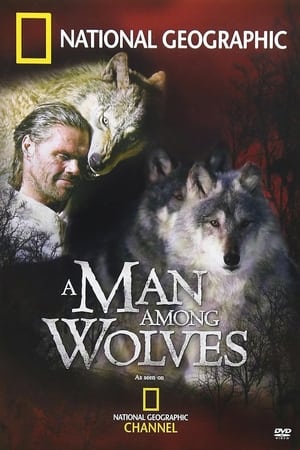
An aspiring photojournalist takes a trip to Julian, CA to learn about the history of two wolf species and what caused their population decline throughout history.
For 100 years, we have waged war on wildfire in the United States, and ironically, have created a more volatile landscape than ever.
At only twelve inches long, the menhaden are a keystone species in the East Coast's marine ecosystem, yet their numbers are threatened by industrial-scale fishing operations in the Chesapeake Bay.
For years, chemical pesticides were considered an efficient method of killing off agricultural pests. However, in the long term, they not only harm the supposed attackers, but also people and the environment. Biological pest control offers an alternative, because who could fight pests more efficiently than their own natural enemies?
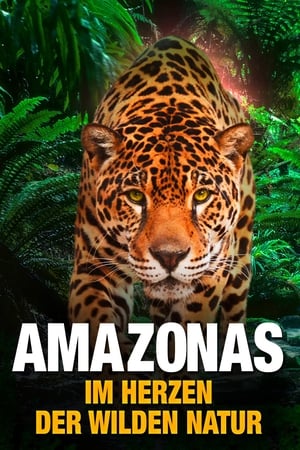
Au nom des jaguars
La Théorie du Boxeur
The Southern Sea Otter was historically abundant along the California coastline until intense hunting pressures reduced their numbers to near-extinction levels. But now the otters are coming back, and with them they bring the potential for drastic change to the modern-day economics and ecology of the Santa Barbara Channel.
Méthane, rêve ou cauchemar ?