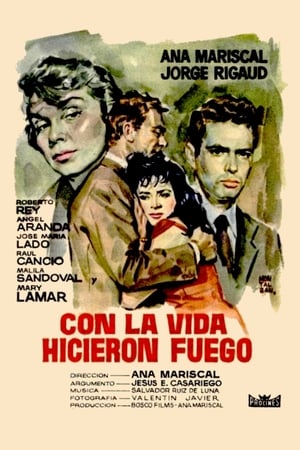
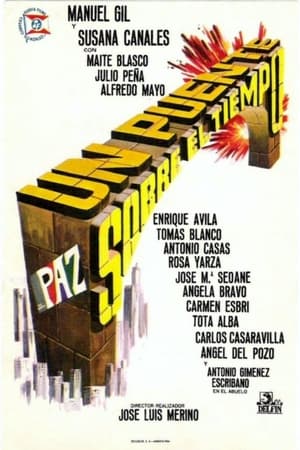
The sailor Quico Carola, alleged war hero of the Francoist side, emigrated to America and amassed a great fortune. Fifteen years later he returns to Ferrera (Asturias), his homeland, in search of a wife who makes him forget his late girlfriend. There he will see his old friends and Armandina, the widow of a Republican shot during the Spanish civil war.
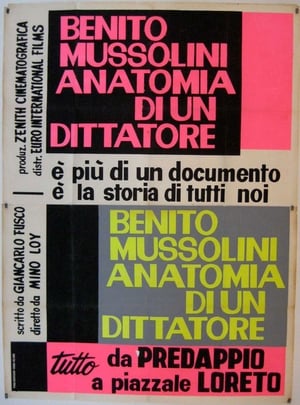
Benito Mussolini: Anatomy of a Dictator
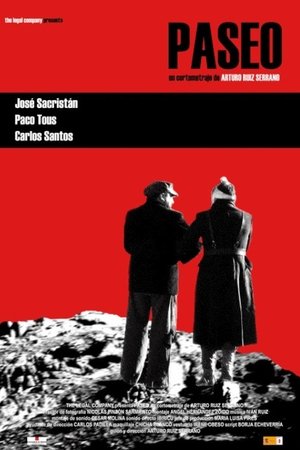
Madrid, Spain. A mutilated man, a war veteran, walks, leaning on a crutch, through the stadium of the Ciudad Universitaria, a place that still preserves in walls and buildings the terrifying traces of one of the bloodiest battles of the Spanish Civil War.
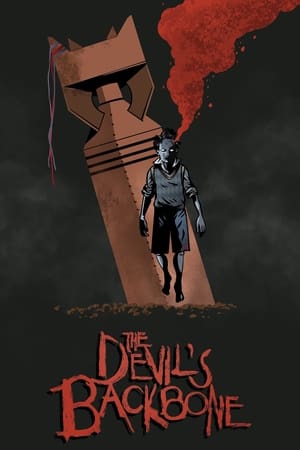
Spain, 1939. In the last days of the Spanish Civil War, the young Carlos arrives at the Santa Lucía orphanage, where he will make friends and enemies as he follows the quiet footsteps of a mysterious presence eager for revenge.
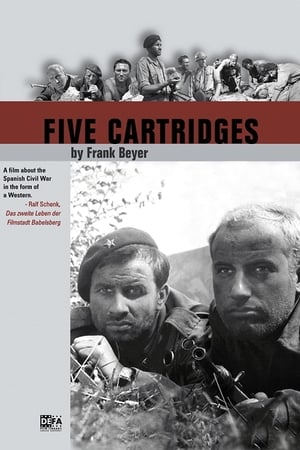
During the Spanish Civil War (1936-1939), five International Brigade soldiers of different nationalities are given a crucial assignment as their commander lies dying: they are to smuggle top-secret information across enemy lines.
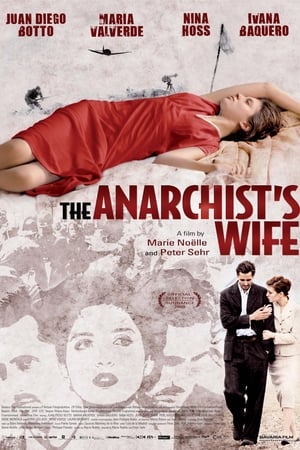
Manuela is left behind when her husband Justo fights for his ideals against Franco's Nationalists during the Spanish Civil War. He is deported to a concentration camp, and upon his release, continues the fight against nationalism in the French resistance. Years pass without a word from him, but his wife never gives up hope of seeing him again.
Roper, a hostage negotiator catches a murderous bank robber after a blown heist. The bank robber escapes and immediately goes after the man who put him behind bars.
Paseo
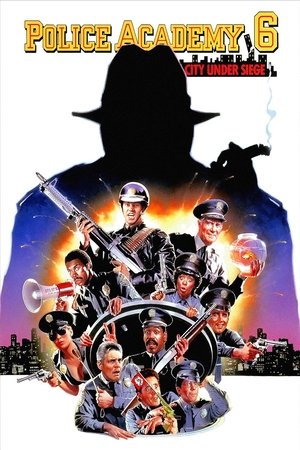
Our favourite police men are called together to deal with a gang who rob banks and jewelers. Using their various talents as well as their extraordinary luck, the crooks stand no chance against our men and women in blue.
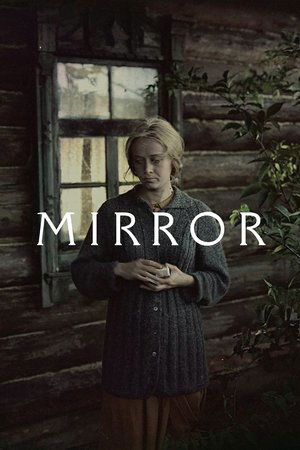
A dying man in his forties recalls his childhood, his mother, the war and personal moments that tell of and juxtapose pivotal moments in Soviet history with daily life.
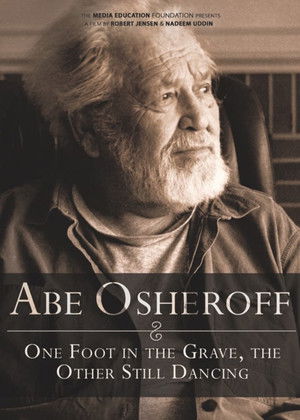
Most people knew Abe Osheroff as an activist. For most of his 92 years - from the frontlines of the Spanish Civil War to the picket lines of the U.S. labor movement, from the struggles for civil rights in Mississippi to his work for human rights in Nicaragua - Osheroff threw himself into the fray with rare energy and enthusiasm. In this riveting and inspiring new film, Osheroff reflects on the meaning of his activism, exploring the ideas that animated his actions and sharing wisdom built up over a lifetime of commitment to the "radical humanism" that defined his politics and philosophy.
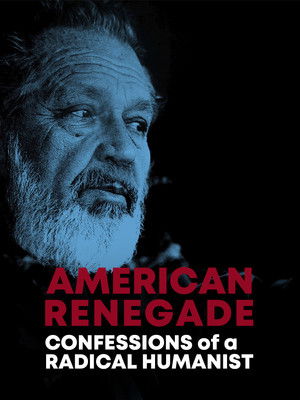
Activist, lover, visionary, renegade - For 75 years, Abe Osheroff fought on the front lines of social activism - from the battlefields of the Spanish Civil War to the killing fields of Nicaragua; from the witch hunts of McCarthy to the sharecroppers of Mississippi to streets all across the United States, Osheroff put his life on the line to keep justice alive. Through the unflinching lens of this documentary feature, this master storyteller takes us on an insightful journey inside the defining conflicts of 20th Century activism with irreverent humor and unwavering commitment to a lifetime of engagement. Osheroff's confessions strike a resounding chord in today's world with a singular voice that never stopped chanting "yes we can!"
Prisoners await execution by firing squad when they are captured during the Spanish Civil War in this drama taken from the novella by Jean-Paul Sarte. Pablo is a loyalist jailed after he searches for his brother. An Irish mercenary and a Belgian physician are his cellmates. Flashbacks recall their lives before the war as they spend their last moments on Earth waiting for their date with death.
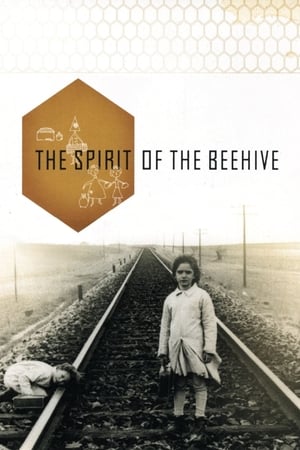
In 1940, in the immediate aftermath of the Spanish Civil War, a young girl living on the Castilian plain is haunted after attending a screening of James Whale's 1931 film Frankenstein and hearing from her sister that the monster is not dead, instead existing as a spirit inhabiting a nearby barn.
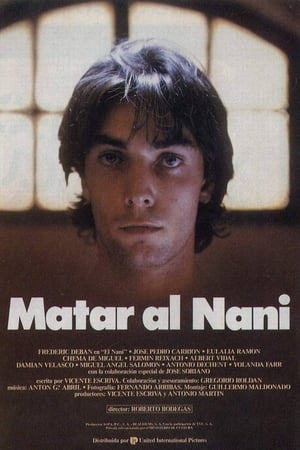
The story of El Nani, a juvenile delinquent from the years of the Transition, whose disappearance in a police station after an interrogation has not yet been clarified, putting the accent on the denunciation of police brutality and speculating on the outcome of the story. A story that mixes political denunciation and social chronicle of an era.
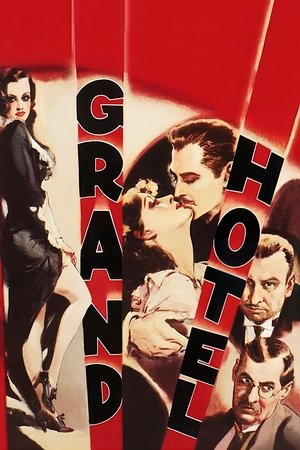
Guests at a posh Berlin hotel struggle through worry, scandal, and heartache.
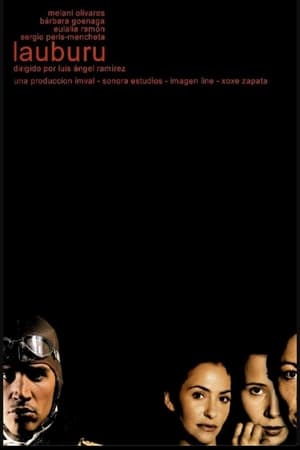
Guernika, year 1937. The city is savagely bombed from the air by a battalion of fascist troops. During the bombardment, Republican artillery shoots down an Italian plane. The pilot manages to parachute very close to a village inhabited by three women. Badly wounded on the ground, he is going to be finished off by one of them, Ikerne. This one, however, feels disturbed by the man's presence, and in a purely impulsive act she decides to take him to the house's barn. The presence of the man in the house reveals the lethargic desire of the three women. But it will also bring out the small conflicts and contradictions that the harsh survival conditions in the house have generated. The solution finds its way between desire for man and hatred for the enemy.
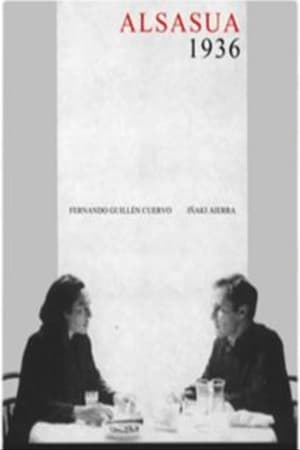
Based on the life of Marino Ayerra, who was appointed as parson priest of Alsasua (Navarra) two days before the start of the Spanish Civil War.
Javier López Cronwell, journalist, son of an American and a Spaniard, comes to Spain to write a series of anti-communist articles. The boy is politically neutral and emotionally and personally cold. He comes into contact with his paternal grandfather and the friends of his father, who died in our Liberation War, who propose that he take the provisional ensigns as a topic for his article. He prepares his return to North America without waiting to see the 25th anniversary Victory Parade, despite the wishes of his father's friends, old ensigns who will parade to show the world that they are still in the breach.
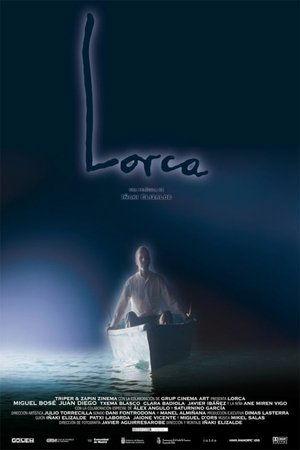
In the last four days of his life, fear took over the figure of the poet Federico García Lorca.