David Riondino, an Italian film director, is coming to Spain to document the Atocha massacre of 1977, to make a film on its 50th anniversary. He will be helped by Alejandra, a young documentary filmmaker who urges him to contextualise the past with the current rise of the far right. By investigating the Atocha attack, David will recover a part of that recent past and at the same time will witness a reality that encourages reflection on some burning issues such as the advance of the far right, problems of access to housing and job insecurity.
This 1981 video magazine “For the Man Who Wants More…” contains Monte Hellman’s short portrait of Francis Ford Coppola discussing business and craft at home and on the set of his Zoetrope Studios, “Inside the Coppola Personality” (aka “Coppola: A Profile”). Also inside is “Modesty”, a self-portrait by Bob Rafelson, shot by Bruno Nuytten; a portrait of a pubic hair dye specialist; a travelogue on Bangkok; a candid camera with a planted hussie at a gas station. a.o.
A documentary about the rise and fall of the Cannon Film Group, the legendary independent film company helmed by Israeli cousins Menahem Golan and Yoram Globus.
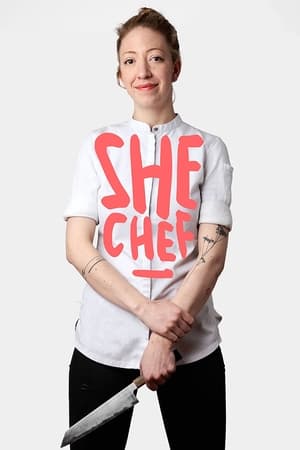
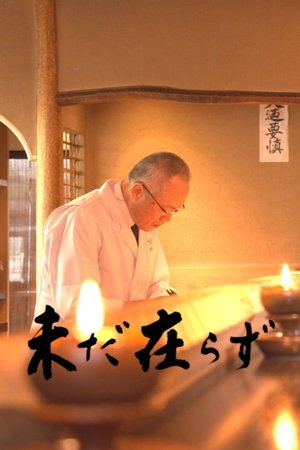
We’re travelling from luxury kitchen to luxury kitchen with Agnes, from Bergisch Gladbach via Barcelona to the Faroe Islands. The cook’s luggage always includes her backpack containing various knives, cleavers and tweezers. The camera watches over the inquisitive young woman’s shoulder as delicacies are being prepared. Our mouths water. At the same time, we get insights into the different ways of running a restaurant. It’s about team spirit and equality at the stove.
A documentary about the legendary Japanese filmmaker.
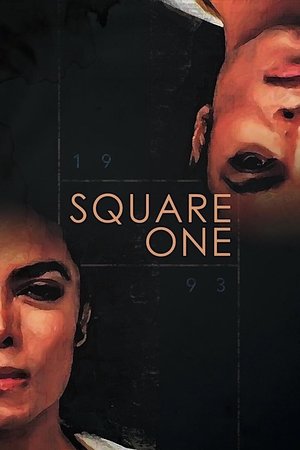
A biopic drama-documentary about the 'King of Pop', that mixes real footage and new interviews with people around him (most notably his mother Katherine Jackson) with re-enactments of times of Michael's life until his untimely death on the 25th of June in 2009.
On April 30, 1945, while the Russian Army surrounded Berlin, Hitler committed suicide in his bunker. His body was discovered a few days later by the Soviets. He would be positively identified after a top secret inquest in which Hitler's personal dentist would play a central role. And yet, at the same time, Stalin publicly declared that his army was unable to find the Führer's body, choosing to let the wildest rumors develop and going so far as to accuse some of his Allies of having aided the monster's probable escape. What secrets were hidden behind this dissimulation? What happened then to the two ladies involved in the identification of Hitler’s body?
Every year, Pro Wrestling Illustrated magazine puts out a list of the top 500 wrestlers in the world. This is the story of number 500, the worst of the best. The pain of professional wresting meeting the reality of life.
Errol Morris's unique documentary dramatically re-enacts the crime scene and investigation of a police officer's murder in Dallas.
Outlines the history of 40 years of the skinhead subculture, beginning with the most recent versions of the culture.
Food in the 21st century has become much more than “meat and potatoes” and canned soup casseroles.” Chefs have gained celebrity status; recipes and exotic ingredients, once impossible to find, are now just a mouse click away; and the country's major cities are better known for their gastronomy than their art galleries. This food movement can be traced back to one man: James Beard. His name graces the highest culinary honor in the American food world today—the James Beard Foundation Awards. And while chefs all around the country aspire to win a James Beard Award, often referred to as the “culinary Oscars,” many of those same chefs know very little about the man behind the medal. Respected restaurateur Drew Nieporent summed it up when he said, “Everybody knows the name James Beard. They may not know who he is, but they know the name.”
Soul explores the secrets of gastronomy where two cuisines apparently so opposite in their philosophy, conception and experience, have both earned the highest culinary recognition, three Michelin stars.
Hard-hitting journalism. Era-defining fiction. Witty cartoons. The New Yorker marks its 100th anniversary with this look at its past, present and future. The New Yorker's centennial reveals behind-the-scenes access to editors, writers, and archives of this culturally vital magazine, one of print's last survivors.
Punk is not vraiment dead ?!
L'Adieu à Solférino
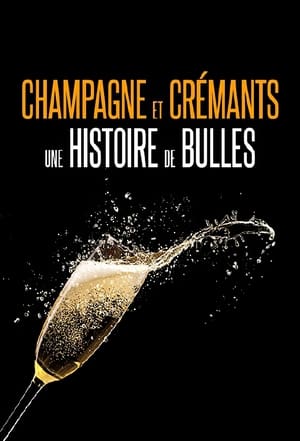
Champagnes et crémants, une histoire de bulles
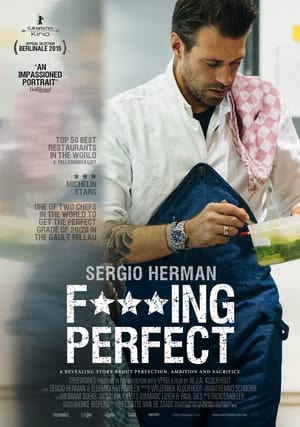
An intimate, behind-the-scenes look at how an anonymous chef became a world-renowned cultural icon. This unflinching look at Anthony Bourdain reverberates with his presence, in his own voice and in the way he indelibly impacted the world around him.
A young and ambitious team of chefs face the life-changing challenges of competing in the world's most prestigious culinary competition.
Every great cook secretly believes in the power of food. Alice Waters just believes this more than anybody else. She is certain that we are what we eat, and she has made it her mission in life to make sure that people eat beautifully. Waters is creating a food revolution, even if she has to do it one meal at a time.
The transcript discusses the prevalent drug culture, particularly marijuana use, among youth in national parks. It highlights the perception that marijuana is less harmful than harder drugs and reflects on the challenges park rangers face in enforcing drug laws. While acknowledging the existence of drug trafficking, the narrative emphasizes that marijuana use is often seen as a minor issue compared to alcohol consumption or harder narcotics. The conversation also touches on the need for a more nuanced understanding of drug use, suggesting that current laws may be overly stringent and not reflective of societal attitudes.