Dr. Steven Greer presents brand new top-secret evidence supporting extraterrestrial contact, including witness testimony, classified documents, and UFO footage, while also exploring the consequences of ruthlessly enforcing such secrecy.
Filmmakers revisit Inukjuak, the Inuit village where Robert J. Flaherty filmed Nanook of the North in the early twentieth century, and examine the realities behind the ground-breaking documentary.
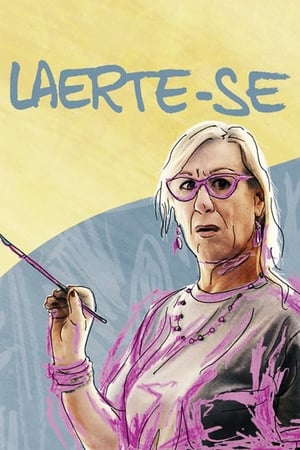
In this film, Laerte conjugates the body in the feminine, and scrutinizes concepts and prejudices. Not in search of an identity, but in search of un-identities. Laerte creates and sends creatures to face reality in the fictional world of comic strips as a vanguard of the self. And, on the streets, the one who becomes the fiction of a real character. Laerte, of all the bodies, and of none, complicates all binaries. In following Laerte, this documentary chooses to clothe the nudity beyond the skin we inhabit.
A biopic drama-documentary about the 'King of Pop', that mixes real footage and new interviews with people around him (most notably his mother Katherine Jackson) with re-enactments of times of Michael's life until his untimely death on the 25th of June in 2009.
Spain, early 20th century. As a child, Leocadia Cantalapiedra was dazzled by a new art: cinema; but she lives in a society where directing films is something only men can do.
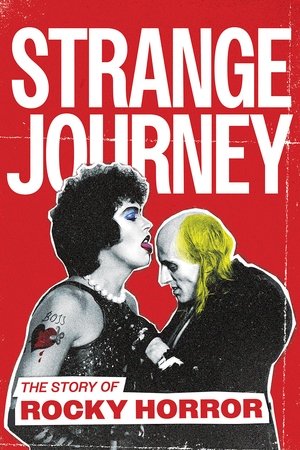
A wild journey into the origins of The Rocky Horror Picture Show, the biggest cult film of all time, its impact on popular culture and socio-political resonance to this day.
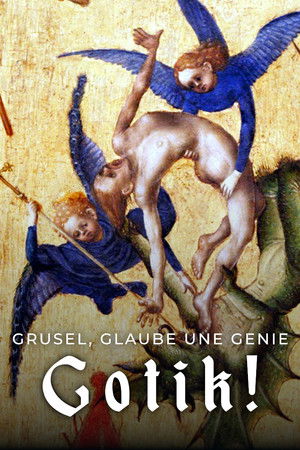
Death and the devil, nudity and eroticism, horror in blazing colours, Gothic art cast a spell over people 500 years ago. In these image-poor times, art deliberately and skilfully played with the emotions of the viewer, triggering fear, devotion, but also rapture. Art documentary on German gothic art of the late-middle ages.
A look at the unrecognized work of the talented artists and craftsmen who've maintained the tradition of Japanese special-effects. Highlighted is Yasuyuki Inoue along with various crew members who crafted meticulously detailed miniatures and risked life and limb as suit actors. All done to bring to life some of film's most iconic monsters through a distinct Japanese artform.
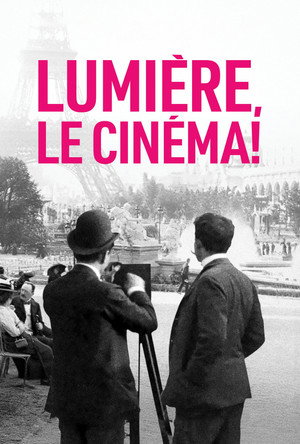
In one of those wonderful coincidences of history, lumière, the French word for “light,” was also the last name of brothers Auguste and Louis, whose brilliant invention, the cinematograph, helped to inaugurate the most beloved art form of the last 130 years. Institute Lumière director Thierry Frémaux uses Lumière, Le Cinema! to guide the viewer through over a hundred shorts—some famous, some forgotten, some never before seen—directed by Lumière and company. In the process, Frémaux illuminates how the brothers employed the camera as a creative instrument as they (and their operators) mastered framing, staging, and subject selection for quotidian and exotic microdocumentaries as well as the first ever fictional motion pictures. The result is not only a glorious re(telling) of the genesis of cinema but a profound meditation on the beautiful world captured—and the mysterious world imagined—by the Lumières.
Wirklich alles?!
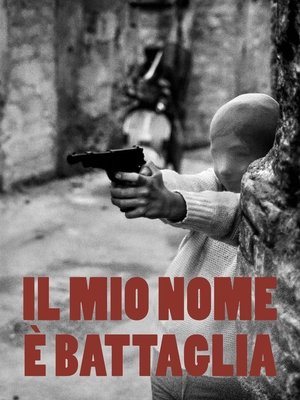
Il mio nome è Battaglia
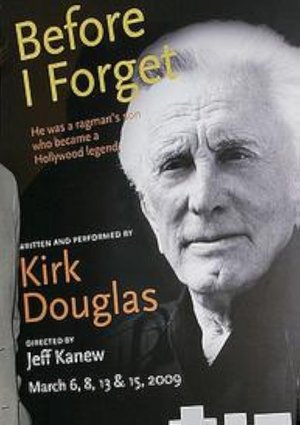
Kirk Douglas recounts his remarkable life in a celebrated one-man theater performance augmented with rare film highlights. He shares memories of family, marriages, other Hollywood greats, breaking the blacklist and his life-altering stroke – all with honesty and humor.
The face of stone. About the natural beauty of Ural gemstones, about the unparalleled beauty of pieces and jewellery made by Russian master jewellers. Malachite was used in the furnishing of the lounge room at the Winter Palace in St. Petersburg, which is why it is called the Malachite Room. Also featured are malachite items made using the complex technique of Russian mosaic. This semi-precious stone became widely used by craftsmen after the discovery of huge malachite deposits in the Demidov mines in the Urals.
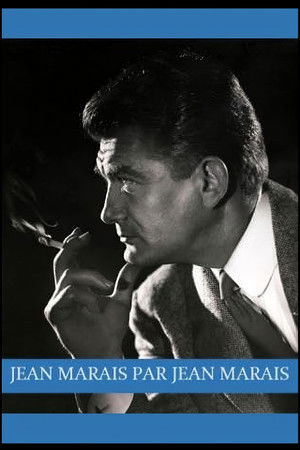
An intimate documentary portrait of the legendary French actor. Directed by Carole Weisweiller and Jean-Christophe Rosé, the film centers on an in-depth conversation filmed in 1995 between Weisweiller and the aging star. Rather than a dry chronological career recap, the film offers a deeply personal retrospective. Marais candidly reflects on his multi-faceted artistic journey—spanning acting, painting, and sculpting. He reflects on his creative partnership and profound romance with director Jean Cocteau, which shaped postwar French cinema with masterpieces like Beauty and the Beast and Orpheus. He also addresses his transition into a swashbuckling box-office icon in popular action films. Blending reflective interviews with archival footage, the film acts as a moving artistic testament, offering a rare, vulnerable window into the life, passions, and enduring legacy of one of France's ultimate icons.
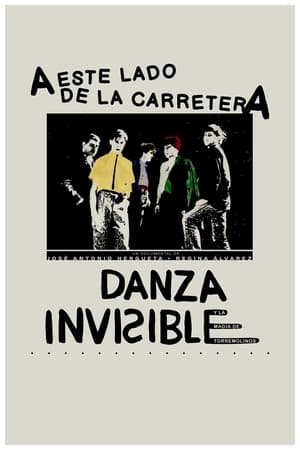
Torremolinos, province of Málaga, Spain, autumn 1981. In the basement of a pub frequented by foreigners, five young self-taught people found a musical group that in less than a year conquers the charts: Danza Invisible, one of the best bands in the history of Spanish pop music, was born.
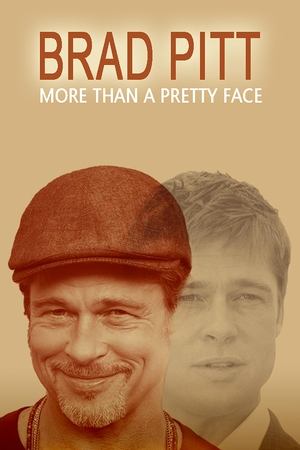
Brad Pitt is a singular actor in Hollywood's glamorous world, breaking through his "playboy image" and embodying American cinema's renewal. At the beginning there was a humble Midwestern aware of being a smokescreen for the illusions of his time, who has managed to keep control of his image to better serve the most talented directors of our time. To name but a few: David Fincher, Quentin Tarantino, the Coen brothers, Terrence Malick, James Gray and soon Damien Chazelle. This documentary dives into the brain of a complex, brilliant and endearing personality, far from the cliché of a world-famous movie icon to discover the hidden side of the most handsome man in the world.
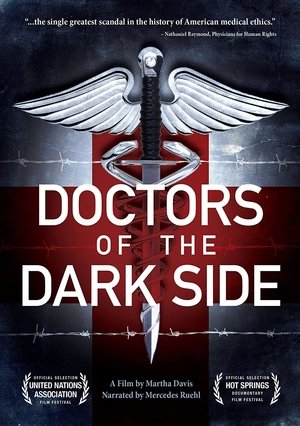
Doctors of the Dark Side is the first feature length documentary about the pivotal role of physicians and psychologists in detainee torture. The stories of four detainees and the doctors involved in their abuse demonstrate how US Army and CIA doctors implemented the Enhanced Interrogation Techniques and covered up signs of torture at Guantanamo and Abu Ghraib. Interviews with medical, legal and intelligence experts and evidence from declassified government memos document what has been called the greatest scandal in American medical ethics. Based on four years of research by Producer/Director Martha Davis, written by Oscar winning Mark Jonathan Harris, and filmed in HD by Emmy winning DP Lisa Rinzler, the film shows how the torture of detainees could not continue without the assistance of the doctors.
Chapter One of this anthology embarks on a journey into the world of filmmaking, pulling back the curtain to reveal the complexities, passions, and human connections that fuel the creative process. Through a series of interconnected narratives, the film follows directors grappling with creative block, writers striving to capture elusive inspiration, actors navigating vulnerability and self-doubt, and crew members whose unseen efforts bring visions to life.
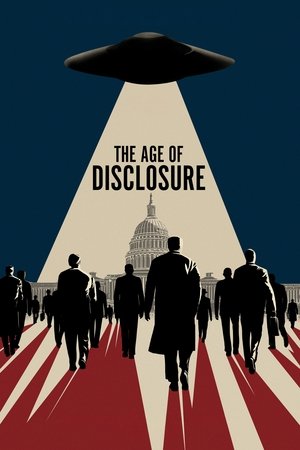
Director Dan Farah got 34 senior members of the U.S. Government, military, and intelligence community to come on camera. He says they reveal an 80 year cover-up of the existence of non-human intelligent life and a secret war amongst major nations to reverse engineer technology of non-human origin. The film explores the profound impact the situation has on the future of humanity, while providing a look behind-the-scenes with those at the forefront of the bi-partisan disclosure effort.
Hollywood is a hot spot for celebrities, and tour guide Scott Michaels (E!'s "20 Most Horrifying Hollywood Murders," FindADeath.com) knows their, well, haunts. DEARLY DEPARTED is an all-access tour of the "backlots" of L.A. - locations where the most infamous murders, suicides and bizarre crimes involving A-listers have taken place. The Viper Room, the site where "The Black Dahlia" was discovered, and dozens more legendary spots are explored in this funny and equally shocking ride into L.A.'s seedy underground.