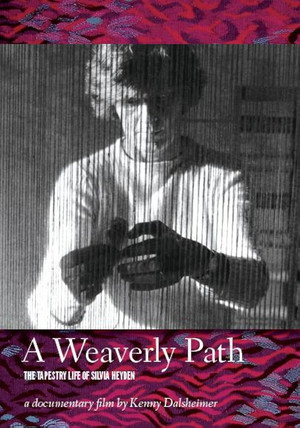
A Weaverly Path offers an intimate portrait of Swiss-born tapestry weaver Silvia Heyden. The film captures the inner dialogue and meditations of an extraordinary artist in the moments of creation. Heyden works for over a year to create works inspired by the Eno River in Durham, North Carolina. And she shares how nature, music, her Bauhaus inspired education at the School of the Arts in Zurich and her life experiences anchor and inform her art. Heyden was a 20th century modernist whose body of work redefines the art of modern tapestry.
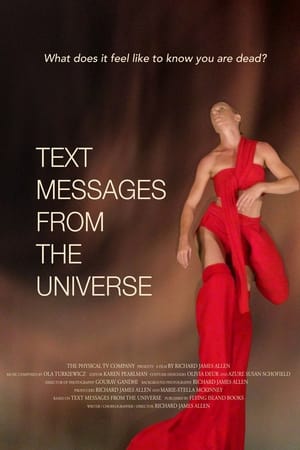
A film that immerses its audience in subjective states of consciousness they might experience when they die, imagining what they can see and think and hear in a seamless but fragmentary flow of poetic images, words and music. The viewer undertakes a journey into their own interior world of dreams and projections in which time and space, and cause and effect logic, are turned on their heads. Text Messages from the Universe is inspired by The Tibetan Book of the Dead, a text which guides souls on their journey of 49 days through the 'Bardo', or intermediate state, between dying and rebirth.
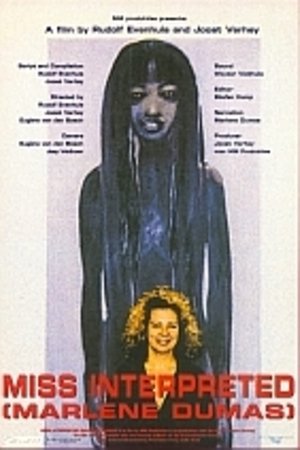
A film about the artist Marlene Dumas: - There's no right way to portray or to understand someone. It's just an acknowledgment , not a denial of reality. Here are my paintings.
A discovery of the pictorial art that Ndebele women traditionally practice in South Africa: painting the walls of their houses.
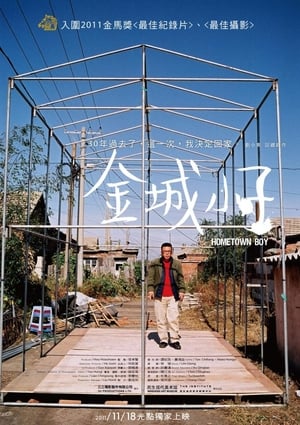
One of the best-known Chinese figurative painters, Liu Xiaodong goes back to his hometown of Jincheng, in the province of Liaoning (North-East China), to re-paint again friends and relatives after several years have gone by. With a soundtrack by famed composer Lim Giong (Millennium Mambo, The Assassin).
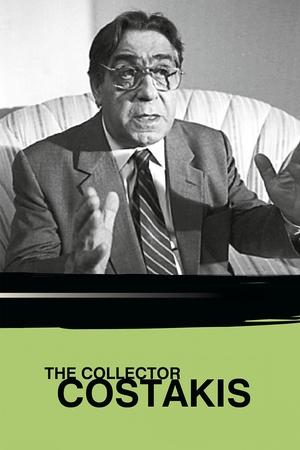
One public housing flat in Moscow stood out above all others: the home of George Costakis, the foremost collector of early 20th century Russian avant-garde art. Its walls were crowded with banned and forgotten works by artists such as Malevich, Tatlin, Kandinsky, Chagall, Lissitzky, Rodchenko, and Kliun; public figures such as Edward Kennedy, Stravinsky, and Alfred Barr visited. Barrie Gavin met the collector in 1982 at his home in Athens. Costakis, a Greek born in Russia, passionately shares his story and those of the great Russian avant-garde artists. Their works are his legacy – without him, they would not have survived the political upheavals in Russia.
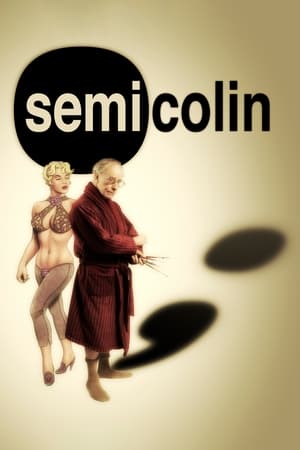
Challenging all notions of genre, Semi Colin is a living, breathing art installation. Part performance, part art, part social comment, Colin philosophizes on his life's obsessive work as an erotic artist.
Mostly dark, rejecting images which are repeated. A stone wall, the chamber of a revolver which is, at first not recognizable, a close-up of a cactus. The duration of the takes emphasises the photographic character of the pictures, simultaneously with a crackling, brutal sound. (Hans Scheugl)
Poetic stroll in the work of Jean Genet.
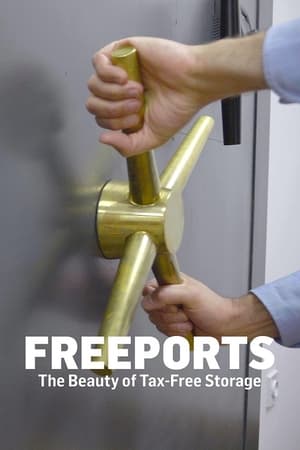
Documentary that exposes the secret world of these unknown tax havens. There is a global network of tax-free storage facilities valuable goods, catering to the super rich - and it's virtually unknown, until now. Freeports feature highest security levels, confidential record keeping and an offshore legal status and are a huge potential for tax savings. The film investigates their rise, who is using them, and why.
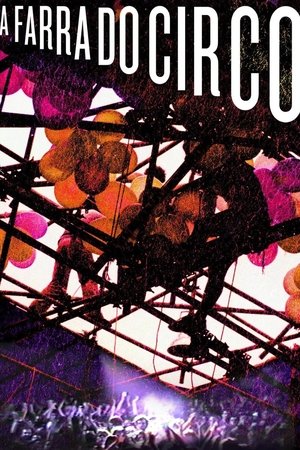
This documentary highlights the evolution of Brazil's Circo Voador venue from homespun artists' performance space to national cultural institution.
It's a sensitive, moving doc chronicling the life of Tétrault's brother Philip , a Montreal poet, musician and diagnosed paranoid schizophrenic. A promising athlete as a child, Philip began experiencing mood swings in his early 20s. His extended family, including his daughter, share their conflicted feelings love, guilt, shame, anger with the camera. They want to make sure he's safe, but how much can they take?
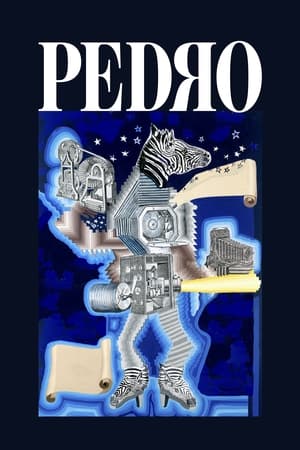
'Pedro', Liora Spilk's debut feature, paints a humorous and emotional portrait of Pedro Friedeberg, a Mexican plastic artist who became famous in the sixties for the creation of the hand chair. Between grumblings, ironies, reflections on art and disagreements, 'Pedro' achieves an endearing portrait of Friedeberg, and at the same time presents a tribute to friendship and creation.
Poème Électronique is an 8-minute piece of electronic music by composer Edgard Varèse, written for the Philips Pavilion at the 1958 Brussels World’s Fair. The Philips corporation commissioned Le Corbusier to design the pavilion, which was intended as a showcase of their engineering progress. The pavilion was shaped like a stomach, with a narrow entrance and exit on either side of a large central space. As the audience entered and exited the pavilion, the electronic composition Concret PH by Iannis Xenakis (who also acted as Le Corbusier's architectural assistant for the pavilion's design) was heard. Poème électronique was synchronized to a film of black and white photographs selected by Le Corbusier which touched on vague themes of human existence.
Sima Shimony, age 69, embarks on a mission to find her friends and staff from the "ALYN" Institute for Children with Disabilities, which was situated in the secluded San-Simon monastery in Jerusalem, during the 1960s. Armed with a small camera attached to her wheelchair, she sets off on a journey across the country together with her friend Pini Newirth, also a polio child, to unfold and reclaim the story of the children affected by the Polio epidemic. In a futile attempt to rebuild their bodies so they could walk, the children were subjected to excruciating medical procedures with no parents or family at their side. But growing up together forged a group of remarkable, self-driven women and men with disabilities who eventually launched the Disability Rights movement in Israel.
Jo; or The Act of Riding a Bike is Zefier's third film.
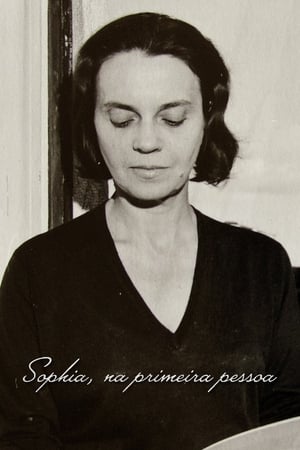
Using the author's personal estate, current images of places where she lived or were dear to her, and archival images of television and film; using parts of her prose and poetry always with first-person testimonies; from Porto to Lisbon, from Granja to Lagos, from the Atlantic Sea to the Mediterranean, from Greece to 25 April: the passions and disappointments of a life and work dedicated to the search for the real, freedom and justice.
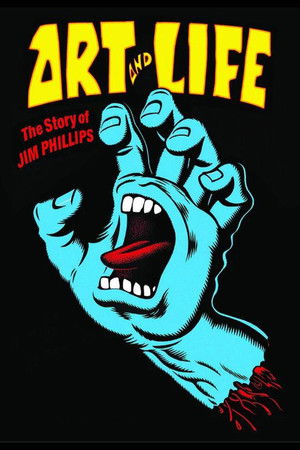
Embark on the epic ride of Jim Phillips, the genius behind skateboarding and rock culture's electrifying art. Drawing inspiration from his life in Santa Cruz, CA, Jim helped shape the golden era of skateboarding. Jim's story is a profound narrative of resilience, passion, and enduring artistic vision. This documentary explores Jim's dynamic life and career, showcasing his iconic work that has defined an era and secured his place in modern art history.
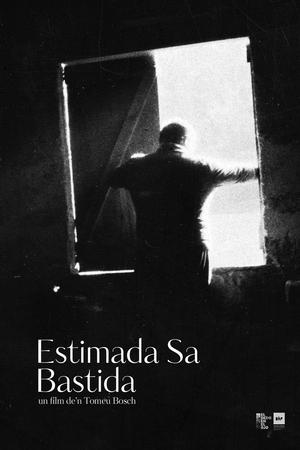
For generations, Sa Bastida has been much more than a house: it has been a refuge, a witness, and a vital centre for the Barceló family. Today, however, solitude has settled into every room, and Joan, the last one who remains, carries the living memory of all that it once was. As the arrival of new rhythms, infrastructures, and urban landscapes threatens this fragile environment, the documentary delves into the tension between the persistence of the past and the relentless advance of modernity. With an intimate and contemplative gaze, Dear Sa Bastida portrays not only the physical decay of a home, but also the emotional and symbolic value of a space that is quietly fading away. It is a tribute to the spaces that disappear, to the people who endure within them, and to the need to preserve memory before progress completely erases what defines us.
The film is an unusual portrait of Slovak poet Jozef Urban who tragically died. Nevertheless, his short life was enough for his work to influence social and cultural spheres in Slovakia. First of all, however, he was a bohemian and a rebel able to see beyond his generation’s field of vision. He lived a life of an impalpable hothead floundering in loves, desires and passions. At the same time, as an author, his reasoning and views were precious and clear.