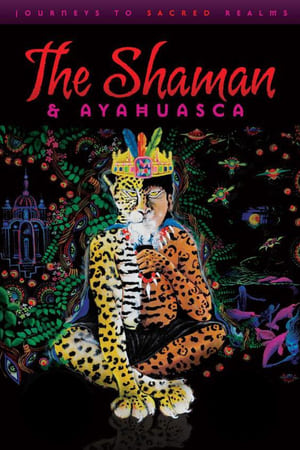
Filmed in the jungles of Peru, shaman Don Jose Campos introduces the practices and benefits of Ayahuasca, the psychoactive plant brew that has been used for healing and visionary journeys by Amazonian shamans for at least a thousand years.
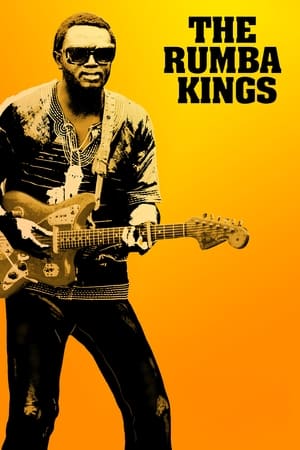
In the fifties, when the future Democratic Republic of Congo was still a Belgian colony, an entire generation of musicians fused traditional African tunes with Afro-Cuban music to create the electrifying Congolese rumba, a style that conquered the entire continent thanks to an infectious rhythm, captivating guitar sounds and smooth vocals.
This film explores the integration of religion and plant-based medicine in an Ewe vodu community in southern Togo. A village priest healer, local ethnobotanists, and a religious marketeer guide us through the medicinal and religious uses of many local plants and herbs. Here in West Africa, plant-based medicines permeate spirituality and illness, and help protect the social order of the community.
Based on a poem by a Zimbabwean LGBT activist written in response to the gay hate speech that is being perpetuated president Robert Mugabe. The film was shot in South East London UK with a cast of six women from several African countries playing multiple roles in this portrayal of being a lesbian in homophobic Zimbabwe. Five of the actors and the producer are refugees who fled their countries in fear of persecution for their sexuality.
This documentary examines ayahuasca shamanism near Iquitos (a metropolis in the Peruvian Amazon), and the tourism it has attracted. The filmmakers talk with two ayahuasqueros, Percy Garcia and Ron Wheelock, as well as ayuahuasca tourists and local people connected with the ayahuasca industry.
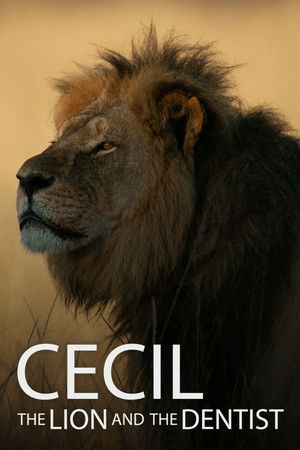
In 2015 a lion in Zimbabwe named Cecil was killed by Walter Palmer, an American dentist, provoking a global outcry. The story of Cecil’s death turns the gaze back on to us and our behaviour. The simplicity of the outrage is a stark contrast to the complexity of the reality.
This documentary introduces viewers to qigong, a 5,000-year-old method of cultivating and circulating the life energy called qi. It relates some of the history of qigong, as well as scientific evidence of efficacy. We also see qigong used in various contexts in modern China, and hear from Chinese doctors and qigong practitioners. The film was originally produced for the Public Broadcasting Service in the United States.
Many Zimbabweans have fled their economically stricken country, but they do send a lot of money home: in 2021 remittances totaled more than a billion dollars. One such migrant is Frank, who has emigrated to Cape Town. His brother Miles and sister Portia live in the UK, one in London, the other in Luton. His other sister still lives in Zimbabwe, but their mother MaMlilo thinks that she should also emigrate.
Sachamama is a retreat lodge in Peruvian Amazonia. There, Francisco Montes leads ayahuasca ceremonies for tourists seeking insight and healing.
Desperate to recover from his depression, Dave travels from his home in British Columbia, Canada to Peru in order to experience the healing effects of the sacred medicine ayahuasca. After Dave spends some time in the country, a Shipibo healer begins to teach him how to work with the medicine more deeply.
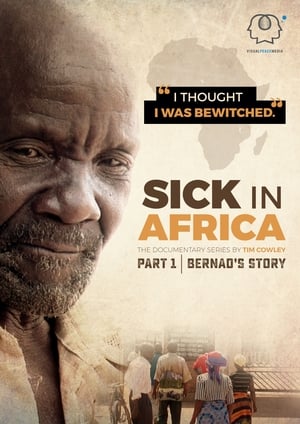
Sick in Africa follows the true stories of several Mozambicans from the Yawo tribe who are ill, but searching for healing and answers.
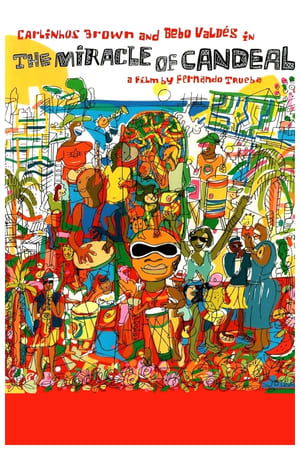
The story of the Candeal favela in Salvador de Bahia, Brazil, where musician Carlinhos Brown carries out social and cultural initiatives that protect and enrich the lives of its inhabitants every day.
In the African nation of Burkina Faso, drums such as the djembe are more than a simple instrument; they have long been used for communication and storytelling as well as musical accompaniment, as this fascinating documentary illustrates. Explore the role the drum has played in Burkina Faso's history, and how the current generations' quest to move away from tradition threatens this time-honored instrument of oral history.
After years of suffering from post-traumatic stress disorder, six US veterans of the wars in Iraq and Afghanistan travel to Peru on a quest for healing. With the help and guidance of three brothers who are traditional healers, they take ayahuasca and other plant medicines during a 10-day retreat in the Amazon rainforest.
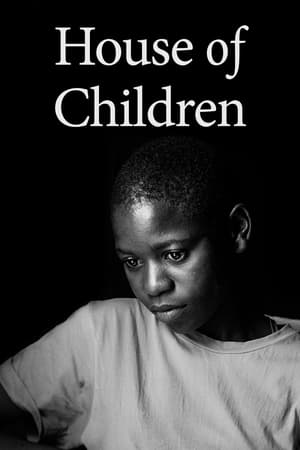
A glimpse of life as seen through young people at a Zimbabwean children's home.
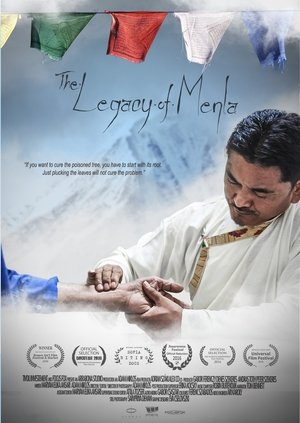
The Legacy of Menla is a fresh portrayal of cancer, from the perspective of Tibetan Medicine.
Anthropologist and filmmaker João Meirinhos travels in Peruvian Amazonia to speak with healers who work with the plant medicine ayahuasca. The journey begins on the outskirts of Puerto Maldonado in southeastern Peru, and winds northward to Pucallpa and Iquitos.
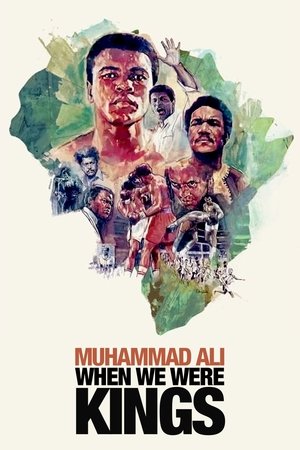
It's 1974. Muhammad Ali is 32 and thought by many to be past his prime. George Foreman is ten years younger and the heavyweight champion of the world. Promoter Don King wants to make a name for himself and offers both fighters five million dollars apiece to fight one another, and when they accept, King has only to come up with the money. He finds a willing backer in Mobutu Sese Suko, the dictator of Zaire, and the "Rumble in the Jungle" is set, including a musical festival featuring some of America's top black performers, like James Brown and B.B. King.
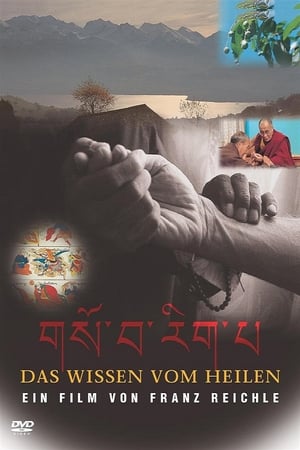
A documentary film about Tibetan traditional medicine.
Povo da Floresta