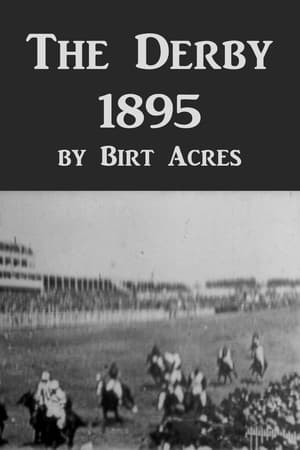
Made in 1896 during the flat racing season (March-October) at Stockton Racecourse, a former horse racing venue in Thornaby-on-Tees, North Yorkshire, UK. Several horses are ridden by jockeys past the camera. Many men in flat caps from the crowd run onto the course and run past the camera at the end of the race. Two policemen follow the men.
Actuality of a man inflating a woopie cushion in his home.
Film made at Hyde Park Corner in 1896 by an unknown filmmaker. It looks south west across Grosvenor Place. The southern wing of St George's Hospital (today the Lanesborough Hotel) can be seen on the right of the picture. The road stretching away in the centre of the picture is Grosvenor Crescent. The busy two way horsedrawn traffic movement is seen on what would today be Grosvenor Place and Apsley Way (the road layout now is different to 1896). The approximate camera position would be today on Apsley Way, just east of the Royal Artillery Memorial. Not to be confused with another Hyde Park Corner film by British Pathé made in the same year but with a different view. (That film looks north towards the triumphal arch at the corner of Hyde Park next to Apsley House.)
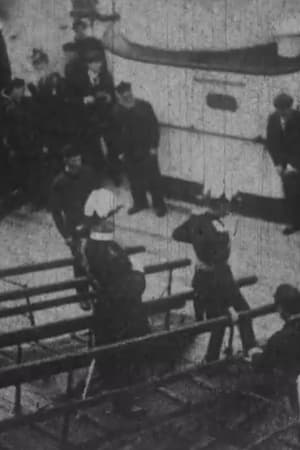
Actuality film. Late 19th century General Officer ranks and higher cross to a ship over a gangplank. As VIPs they meet some people which we don't get to see, then cross back again, getting caught in a crowd melée at the top of the stairs from the quayside.
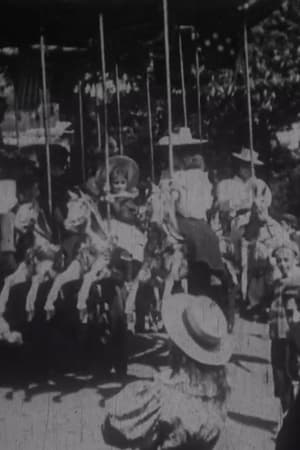
An actuallity film of a fairground carousel in action. Filmmaker unknown but it has been suggested it is R.W. Paul. The film was made on Hampstead heath, London, UK.
In 1968, Billy and Antoinette Edwards participated in a landmark documentary that would intimately observe their turbulent relationship. Over 50 years later, their son Bogart sat down to view and discuss the resulting film, A Married Couple.
A stationary camera, looking diagonally across a racetrack toward the infield, records the horses as they race past. Once they are out of view and the race is over, police officers run onto the infield. The crowd moves around.
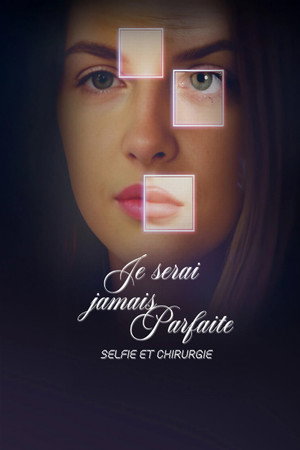
Je serai jamais parfaite - Le documentaire
By recounting their experiences with family, friends, lovers and country, a group of strangers examine what it means to be loved as Nigerians and as women. Through these conversations, they unpack cultural biases, shared realities and potential alternatives towards a safer, softer future.
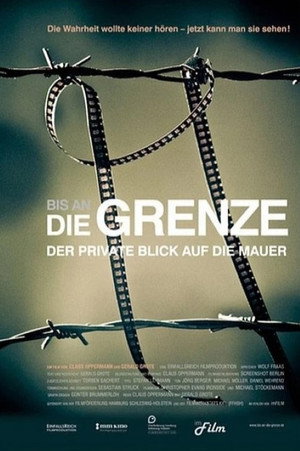
Sunday, August 13, 1961 Since early morning, the pavement in the heart of Berlin has been torn up. Construction workers have begun erecting a 43-kilometer-long inner-city wall. West Berliners stand stunned on one side, East Berliners on the other, facing each other at the sector border. The entire city is in shock. Citizens take their cameras and video recorders out of their closets and document the events. From then on, many Berliners and visitors to Berlin produce their own documentaries about life in a changed city.
Danish-Ugandan Luba returns to her father’s rainforest in Uganda to save what is on the brink of being lost – a personal story about climate struggle, belonging, and Denmark’s responsibility in a changing world.
A journey through Lars HUG's creative mind and musical universe with the man himself as tour guide, and with brand new songs on the soundtrack.
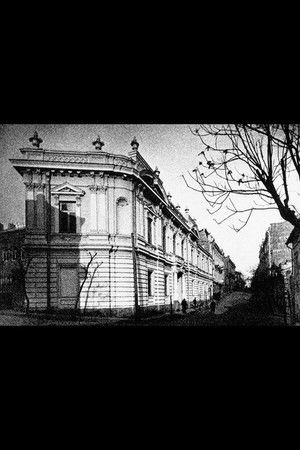
A short documentary film made by Otar Iosseliani in 1967 for the Film Journal, dedicated to the 50th anniversary of the Vano Sarajishvili Tbilisi State Conservatoire, presenting an official chronicle of the anniversary celebrations.
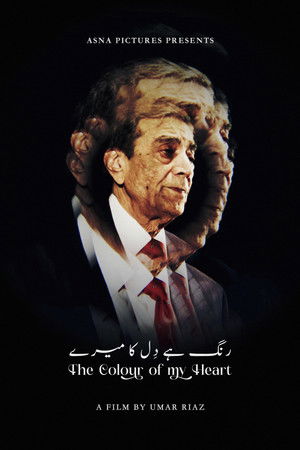
Zia Mohyeddin, Pakistan's most venerated actor, devotes his final years to resurrecting interest in Urdu poetry and passing it on to a new generation of South Asians.
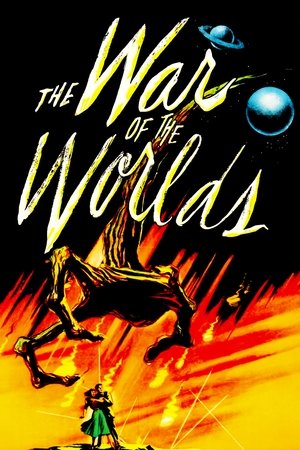
The residents of a small town are excited when a flaming meteor lands in the hills, until they discover it is the first of many transport devices from Mars bringing an army of invaders invincible to any man-made weapon, even the atomic bomb.
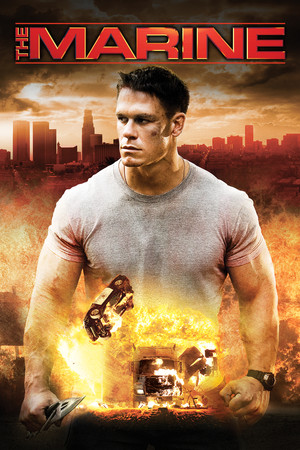
A group of diamond thieves on the run kidnap the wife of a recently discharged marine who goes on a chase through the South Carolinian wilderness to retrieve her.
"Whenever You Eat" (1949) is an educational film produced by the National Dairy Council and Atlas Film Corp, emphasizing the importance of physical well-being and its connection to good living habits and a proper diet. Through a 12-minute narrative, the film likely promotes balanced nutrition, healthy eating routines, and the role of dairy in maintaining overall health. Targeting families, students, and general audiences, it serves as a mid-century public health message encouraging better dietary choices for improved daily life and long-term wellness.
An interview with actress Me Me Lai on her work in the three Italian cannibal-themed movies "The Man from Deep River", "Last Cannibal World" and "Eaten Alive", as well as on her participation in Lars von Trier's "Element of Crime".
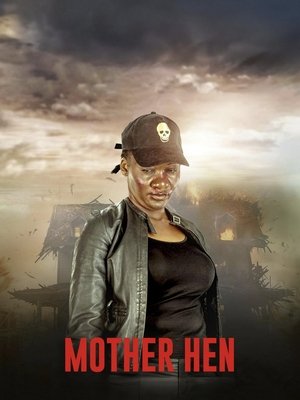
Eveline Ndi (Mother Hen) is a regular African housewife. Blinded by love for her husband, she disregards all signs of his involvement in the death of their two kids. But, when the last child, Emily, was killed in a car accident.