Through a series of interviews with leading British AIDS activists and cultural theorists, this documentary investigates the way in which AIDS has been used by the media and by the government to increase state harassment of gay men and lesbians, black people and women. Framing the problem in terms of a left politic, the tape reveals how both homophobia and puritanism have been responsible for the slow government response to AIDS.
Eighteen-year-old Shahnura is about to graduate from high school. Her mother spends hours at the dining table while Shahnura is at school, wondering if her mother, sister, and brother are still alive. Living in Germany without a passport or nationality, she listens to the harrowing stories of her mother and two friends who have experienced imprisonment and re-education camps in China. These accounts reveal the suffering, human rights abuses, forced adoptions, and the grim reality of the camps where the predominantly Muslim Turkic Uyghurs are tortured and mistreated.
Route 4
A musical documentary accompaniment to the 1994 benefit compilation album concerning AIDS in the African-American community.
When Ader Ismail fled from Somalia to Sweden, she thought it would not take long for her five children to join her. But the years go by and the children get rejection after rejection from the Swedish Migration Board. Ader unable to reveal this to her children. She just tells them: "See you soon!". Video journalist Clary Kroon follows Aders' struggle and tries to understand her decision. She also meets Aders' children who live as refugees in Nairobi, thousands of miles from their mother.
Nous sommes éternels
The EU is investing billions to establish African states as its new border guards. It also supports dictatorships that close their borders in return.
This timely exploration of Hollywood and LGBTQ+ identity examines the life of legendary actor Rock Hudson, from his public "ladies' man" persona to his private life as a gay man.
"GENERAL IDEA: Art, AIDS and the fin de siècle is a humorous, informative and ultimately poignant documentary about General Idea. Formed in 1969, they produced art that targeted and mimicked media, consumerism and celebrity, creating a revolutionary new spirit of art making. Interviews with AA Bronson, the sole survivor of the trio, lends personal relevancy to this story of art and sexual politics. GENERAL IDEA: Art, AIDS and the fin de siècle is a tale of love, fame, overwhelming loss and, ultimately, renewal." -AGO.net
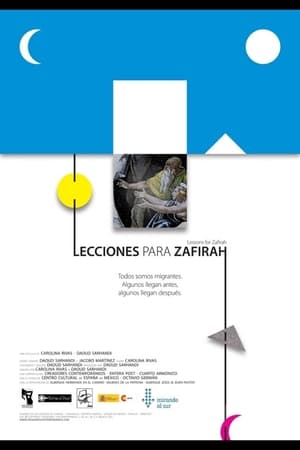
In buildings where foreign workers lived in Germany, there were strict rules of conduct, defined by the house rules and supervised by the building superintendents. Many rights regarding the freedom of movement, communication and behavior were abused. Interviews with the tenants and with the "orderlies" which point out absurd situations and clashes caused by these restrictions.
As the AIDS epidemic was spreading in 1987, the Swedish government commissioned Roy Andersson to make an educational film about the disease. In these twenty or so monotone scenes, Andersson criticizes the medical community for its dehumanizing and racist tendencies when researching HIV and AIDS.
A group of teenagers who have been selected to participate in a recreational white water rafting trip. All of the kids selected have AIDS or have been infected with the HIV virus. At some point during the trip, all the kids tell their stories and share their feelings about what their lives have been like since being infected with the virus and how they struggle to live normal lives with a hope of a cure in the future.
Máquina 30-30
Spanish actor Pepe Viyuela embarks on a personal journey on the trail of his grandfather Gervasio, a soldier in the Republican Army during the Spanish Civil War.
On Thursday, Nov. 7, 1991, Earvin "Magic" Johnson made people stop and watch at the Forum in Inglewood, Calif. But this time it wasn't his basketball brilliance as a perennial NBA All-Star and three-time MVP that was captivating audiences worldwide. Instead, the 32-year-old groundbreaking point guard was holding a press conference to make the stunning announcement that he was HIV-positive and would be retiring from basketball immediately.
Daily spleen, drunkenness among friends, conversations and the passage of time: the video diaries composed by Lionel Soukaz chronicle the early 1990s, the comet tail of those never-ending winter years and the nightmare of the AIDS years. But edited thirty years later with Stéphane Gérard, they are also a tribute to Hervé Couergou, the beloved partner at the center of all the filmed scenes. Slowly, in conversations between couples and friends, the dandy spirit and intimate confession overlap. What emerges is a portrait of a way of dealing with the times and their pain, which, beneath the act of commemoration, seeks to inscribe a living presence.
The Rezai's are keeping pigeons on their terrace in Berlin. After having their doubts in the beginning, the five sons are also taking care of the birds. The relationship to the animals reflects their feelings on family and loyalty, and also reminds them of their own childhood and the migration from Afghanistan.
'La Mamma Morta’ is an aria from the opera Andrea Chenier that is also well-known for its use in a memorable sequence in the Oscar award-winning Philadelphia. Thirty years on, this new short film from WNO includes a brand-new recording of the aria featured alongside recreated scenes that better encapsulate the perspectives of people living with HIV today. To mark World AIDS Day 2023, the Welsh National Orchestra released a special new version of La mamma morta, featuring WNO Orchestra, soprano Camilla Roberts and Nathaniel Hall from Channel 4’s It’s a Sin. Released as part of the last rendition in the Three Letters project, this film aims to tackle societal stigma around HIV.
A story about children and adults who migrated from eastern Ukraine because of the war and found themselves far from home in a hostel for displaced people. This is a film about the everyday life and pain of refugees, about the search for small details that give strength to live and about adults who are tired of war. It is a self-reflection of refugees who believe that they will soon return home, without a clear understanding of when this will be possible and what awaits them there.
When a group of Eritrean refugees arrive in the small town of Härnösand there is a growing sentiment against them from the locals. 17-year old Sara Westin decides to found an anti-racist group to combat these feelings but when Sara and her best friend are murdered by Sara's Eritrean ex-boyfriend the feelings in the city reach a boiling point.