Filmed in glorious HD over 5 years and in 10 locations, 80 WAVES is a collection of huge waves and big name riders from across the globe. Amongst the culture, wildlife and beautiful scenery of exotic surf spots like Fiji, Hawaii, and Bali.
Through dances and games, migrant boys and girls who live in a shelter in Reynosa, on the US-Mexico border, shared their dreams and stories of hope with us.
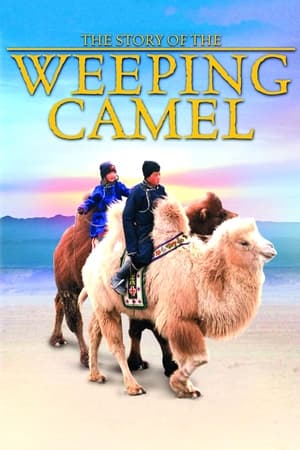
When a Mongolian nomadic family's newest camel colt is rejected by its mother, a musician is needed for a ritual to change her mind.
As thousands of migrants attempt to cross the French-Italian border on foot through treacherous mountain routes, the state cracks down on the local communities that come to their aid in this revealing look at an unfolding human rights crisis.
This Traveltalk series short celebrates the beauty of Yosemite National Park. Besides the majestic mountains, we see Bridal Veil Falls and a giant sequoia with a road cut through its trunk. Tourist activities, including horseback riding and fishing, are also highlighted.
Milestone No. 3 is a documentary following three lifelong friends as they travel across the country to California for the very first time. Armed with doubts and anxiety about continuing his filmmaking career, director Nicholas Dapolito enlists the help of friends and family to examine why he creates, and if this path is truly right for him.
Chez Schwartz takes us inside a year in the life of Schwartz's Deli - the unique 75-year-old landmark on Montreal's historic Main. Filmed through changing seasons, from the quiet of early morning preparation to the frenetic bustle of packed lunch times and never ending line-ups, to the more relaxed ambiance late at night - Chez Schwartz is an evocative, cinematic portrait of a small spunky deli known worldwide equally for its atmosphere and smoked meat.
An Oscar nominated documentary about a middle-class American family who is torn apart when the father Arnold and son Jesse are accused of sexually abusing numerous children. Director Jarecki interviews people from different sides of this tragic story and raises the question of whether they were rightfully tried when they claim they were innocent and there was never any evidence against them.
After almost thirty years of his career, the musician Fran Nixon joins film director David Trueba for a travel around Spain in which they'll talk about it and meet some friends.
Jason Momoa's story of fatherhood, craftsmanship, and the legacy he'll leave behind.
Thomas Haemmerli is about to celebrate his fortieth birthday when he learns of his mother's death. A further shock follows when he and his brother Erik discover her apartment, which is filthy and full to bursting with junk. It takes the brothers an entire month to clean out the place. Among the chaos, they find films going back to the 1930s, photos and other memorabilia.
Ninja is famous around the world for her fierce ballroom performances, but she is not as well-known in her native country of French Guyana. But a trip home to teach a workshop might change that.
The jaw-dropping story of the spectacular rise and dramatic fall of British music and festival company Pollen. The company was launched in 2014 by two young British brothers, Callum and Liam Negus-Fancey. Riding the wave of the tech boom which saw start-ups like Deliveroo, Airbnb and Uber become ‘unicorn’ giants valued at $1bn or more, the brothers created a simple idea that soon attracted huge investment. Beginning as a ticketing platform – giving festivals goers the chance to earn VIP rewards for selling tickets to their friends – the company tapped into a lucrative area when music festivals and Instagram influencing were flourishing. They promised their customers a ‘bigger life’, gave staff a glamorous, party-fuelled workplace and soon went global.
Directed by Patrick Gramm, 'The Pigeon People' (2023) takes you deep into Arizona's underground pigeon racing scene as racing rivals prepare for and compete in the Grand Canyon Classic - a 350-mile pigeon race from Utah to Arizona that crosses over the Grand Canyon.
Switzerland still carries out special flights, where passengers, dressed in diapers and helmets, are chained to their seats for 40 hours at worst. They are accompanied by police officers and immigration officials. The passengers are flown to their native countries, where they haven't set foot in in up to twenty years, and where their lives might be in danger. Children, wives and work are left behind in Switzerland. Near Geneva, in Frambois prison, live 25 illegal immigrants waiting for deportation. They are offered an opportunity to say goodbye to their families and return to their native countries on a regular flight, escorted by plain-clothes police officers. If they refuse this offer, the special flight is arranged fast and unexpectedly. The stories behind the locked cells are truly heartbreaking.
Evan, a filmmaker from Mississippi, catches feelings for a gal he meets at a found footage film festival in San Francisco. They decide to make a movie together, exploring the haunted landscapes of Evan’s family history in the swamplands of Florida. Old wounds are reopened and generational trauma reveals itself to be perhaps the scariest part of this attempted mockumentary that ends up being a little too real.
2017 Oscar Nominated Short Films: Documentary
She was born in a cave, more than 60 years ago. Now she lives in a village, with many children and grandchildren to look after. Sometimes, she dreams of her dead mother calling her home – to the cave.
A student's increasingly intimate line of questioning causes his interview with a local horror host to take a vulnerable turn.
The Kitades run a butcher shop in Kaizuka City outside Osaka, raising and slaughtering cattle to sell the meat in their store. The seventh generation of their family's business, they are descendants of the buraku people, a social minority held over from the caste system abolished in the 19th century that is still subject to discrimination. As the Kitades are forced to make the difficult decision to shut down their slaughterhouse, the question posed by the film is whether doing this will also result in the deconstruction of the prejudices imposed on them. Though primarily documenting the process of their work with meticulous detail, Aya Hanabusa also touches on the Kitades' participation in the buraku liberation movement. Hanabusa's heartfelt portrait expands from the story of an old-fashioned family business competing with corporate supermarkets, toward a subtle and sophisticated critique of social exclusion and the persistence of ancient prejudices.