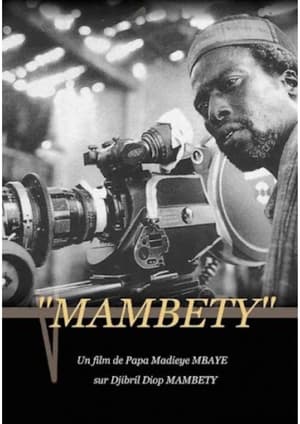
Senegalese director Djibril Diop Mambéty, one of the greatest figures in all of African film, died in 1998. In this behind-the-scenes documentary, shot during the making of his final work, The Little Girl Who Sold the Sun / La petite vendeuse de soleil, Mambéty speaks with his technicians, prepares the actors, talks with his young star, and, in voiceover, shares his thoughts on cinema and life.Mambéty doesn't differ significantly from the stock "behind-the-scenes" documentaries that adorn most DVDs nowadays, except that Mambéty's films have scenes you actually want to be taken behind. Because of the kind of attention that gets paid to African cinema, there's an initial intrigue to Mambéty, but that interest is sustained by Mambéty's own lyrical insights into his aesthetics.
Nooko Bokk
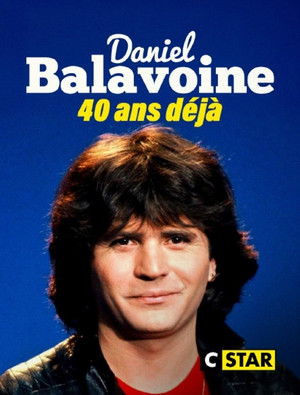
Through Daniel Balavoine's greatest songs, which have become cult classics, this documentary traces the dazzling career of a free-spirited singer, driven by an urgent need to speak out, denounce injustice, and love, whose lyrics continue to touch several generations. Rare archives, testimonials from those who knew him, expert analysis and insights from today's musicians highlight the enduring modernity of his work and examine the legacy he left to French music.
African Underground: Democracy in Dakar is a groundbreaking documentary film about hip-hop youth and politics in Dakar Senegal. The film follows rappers, DJs, journalists, professors and people on the street at the time before, during and after the controversial 2007 presidential election in Senegal and examines hip-hop’s role on the political process. Originally shot as a seven part documentary mini-series released via the internet – the documentary bridges the gap between hip-hop activism, video journalism and documentary film and explores the role of youth and musical activism on the political process.
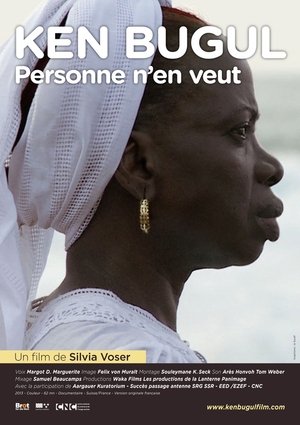
Ken Bugul: Nobody Wants Her - Portait of an Author
In the Serere village of Khombole, Senegal, the inhabitants organize an old man's funeral and take part in wrestling competitions held in arenas.
Mère-Bi is a 2008 documentary film about Annette Mbaye d'Erneville by her son, director Ousmane William Mbaye. The first Senegalese female journalist, she was deeply involved in the development of her country. Both an activist and a non-conformist, she fought for the emancipation of women from the beginning.
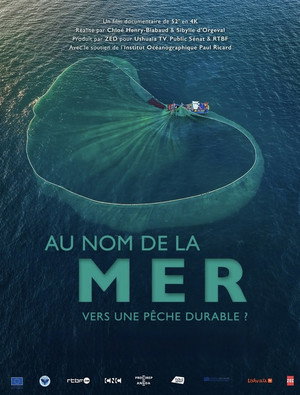
Au nom de la mer : vers une pêche durable ?
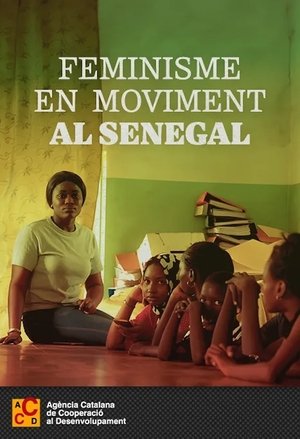
Diambar, feminismes en moviment al Senegal
Two women and two men tell their stories of exile caused by being lesbian, transgender, bisexual and gay.
Following the steps of Oumar Seye, first black African professional surfer, Cherif, Paké, Assane and Mbabou, childhood friends from Ngor village in Dakar, make a living with their passion, surfing. They’ve been qualified to form the Senegalese national team for the first time at the ISA World Surfing Games in Biarritz, France. A crucial stake for these worthy ambassadors of the "Teranga" spirit.
Documentary by Ateyyat El-Abnoudy
Keur Simbara is an intimate, lyrical short documentary that follows a group of women community organizers in a rural Senegalese village as they build and sustain systems of health, finance, agriculture, and domestic infrastructure. Amid water scarcity and environmental challenges, they articulate their hopes for the future and the legacy they wish to leave behind. Keur Simbara is a tribute to communal wisdom and the power of local organizing.
This is the story of time passing, at the slow pace of Ousmane Sow, and of time rushing by, from the birth of a work to its unveiling one spring day in Paris on the Pont des Arts. For a year, while preparing the exhibitions in Dakar and Paris, Béatrice Soulé witnessed the creation of Two Moon, Sitting Bull, Chief Gall, and Crazy Horse by Ousmane Sow—Sioux and Cheyenne chiefs who, gathered along the Little Bighorn River, won the most important Native American victory against the American army in 1868, a victory that led to the death of General Custer. In the intimacy of the sculptor's home in Dakar, a home itself a place of creation, she shares with us her emotion at seeing works emerge from the sand, works that seem to journey from death to life.
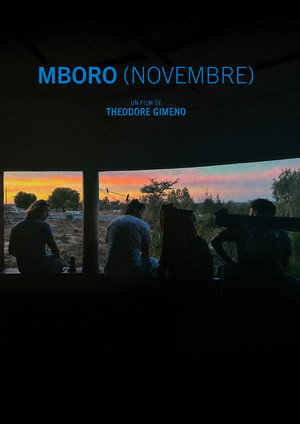
A French association joins a Senegalese association to participate in the renovation and rehabilitation of the open-air cinema in the town of Mboro. The duration of the works becomes an opportunity to explore the surroundings and meet the local inhabitants.
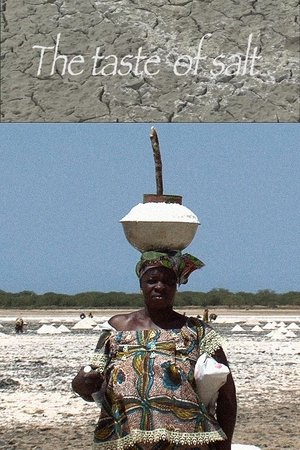
At Ngay Ngay, a village in northern Senegal, there are real natural evaporative basins in which depending on the year large or small quantities of sea salt dry out. Located 15 kilometres from Saint-Louis, the village is living around a complex community organisation: men divide the salt fields into plots, and women are those who harvest. In the end, the men receive a share of the crop, while women are those who took great pains over the harvesting.
The James Brown Story
Senegal is a country in transition, with increasing education and economic growth and a burgeoning art scene. It is customary that its culture, stories, and history have been kept alive and transmitted by their traditional singers called griots. Message by Music introduces us to Awadi, a renowned rapper with Pan-Africanist sensibilities and juxtaposes his political message with the more old-school griots. Transitions in society are reflected in the arts but also the arts can be the catalysts to move society.
A day with the artist Joe Ouakam.
Si j'étais sage-femme