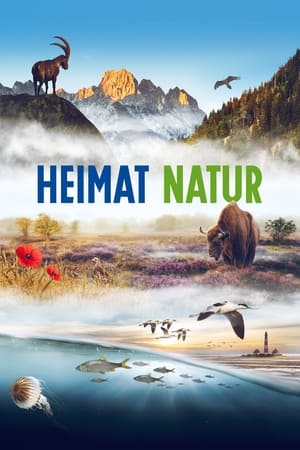
Home is where we grow up or settle permanently. And this home is always shaped by nature. Today, we human beings change and shape this more than any law of nature. HEIMAT NATUR is a visually stunning journey through the nature of our homeland, from the peaks of the Alps to the coasts and the depths of the North and Baltic Seas. In between is a cinematic foray through steaming forests, shimmering moors, over rose-blossoming heaths and the colorful cultural landscape around our villages and towns. In extraordinary images this nature is shown from its most beautiful side, examining the state of the native habitats. Slow-motion and time-lapse photography as well as intimate shots of familiar and unfamiliar species, some filmed for the first time, making the film a cinematic nature experience for the whole family.
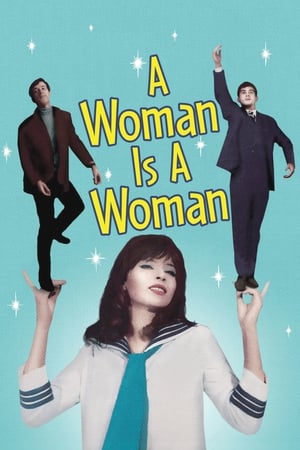
Longing for a baby, a stripper pursues another man in order to make her boyfriend jealous.
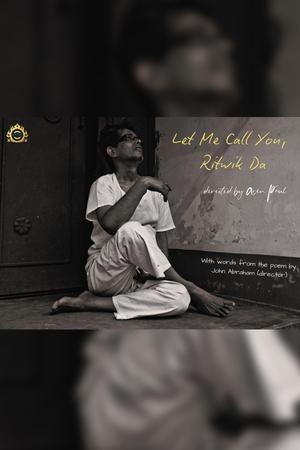
A poetic and experimental short film by Arin Paul, Let Me Call You, Ritwik Da pays tribute to Ritwik Ghatak, inspired by a poem by director John Abraham. Blending evocative imagery and voice-over, it explores Ghatak's legacy.
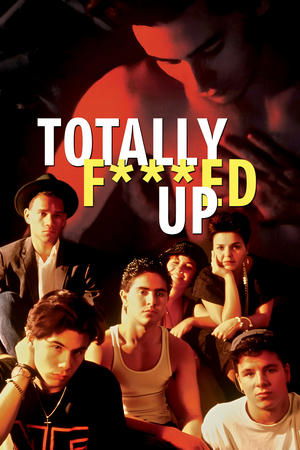
Gay, alienated Los Angeles teens have a hard time as their parents kick them out of their homes, they don’t have money, their lovers cheat, and they are harassed by gay-bashers.
A new type of cinema you can perceive with your butt hole.
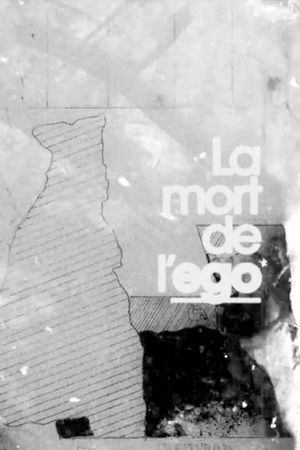
A cine-essay about the ego death and consciousness rebirth.
A pleasant tasting summer film made in New York and Searsmont, Maine. With poems by Daniel Shapiro (age five), performances by Dana Reitz, Yoshiko Chuma and Wang Pint; music by Duke Ellington and Gamelon of Bali.
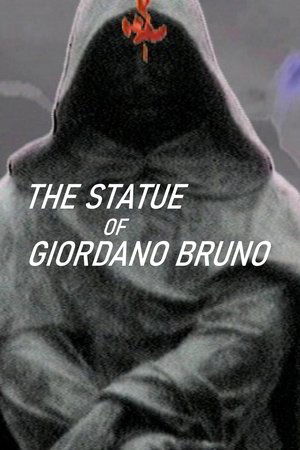
This film was made out of the capture of a live animation performance presented in Rome in January 2005 by Pierre Hébert and the musician Bob Ostertag. It is based on live action shooting done that same afternoon on the Campo dei Fiori where the philosopher Giordano Bruno was burned by the Inquisition in 1600. A commemorative statue was erected in the 19th century, that somberly dominate the market held everyday on the piazza. The film is about the resurgence of the past in this place where normal daily activities go on imperturbably. The capture of the performance was reworked, shortened and complemented with more studio performances.
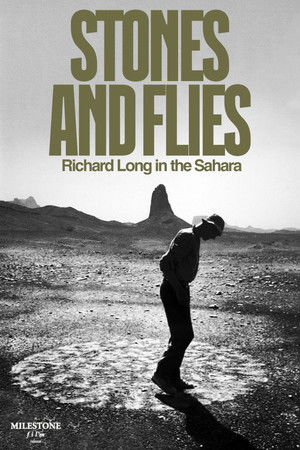
In the fall of 1987, Philippe Haas accompanied the sculptor Richard Long to the Algerian Sahara and filmed him tracing with his feet, or constructing with desert stones, simple geometric figures (straight lines, circles, spirals). In counterpoint to the images, Richard Long explains his approach. Since 1967, Richard Long (1945, Bristol), who belongs to the land art movement, has traveled the world on foot and installed, in places often inaccessible to the public, stones, sticks and driftwood found in situ. His ephemeral works are reproduced through photography. He thus made walking an art, and land art an aspiration of modern man for solitude in nature.
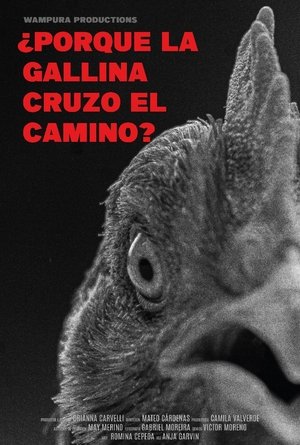
A hen questions the meaning of her life on a farm.
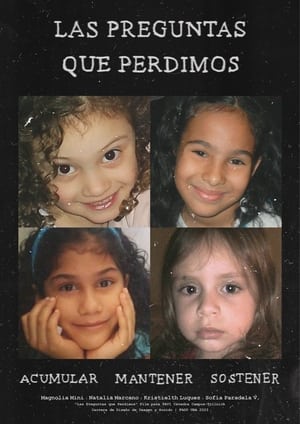
Las Preguntas que Perdimos
In countless meeting rooms, an employee wants to resign. Her motivations don't matter, what matters is the catharsis of resignation.
Experimental documentary focusing on the design of the buildings of the Technical High School in Eindhoven. Through the visual means of film and the technical possibilities of camera and photography, reality becomes pure abstraction.
a 22-minute French experimental short film directed by Marin Karmitz and Jean Ravel, based on Samuel Beckett's 1963 play. It features actors Eléonore Hirt, Michael Lonsdale, and Delphine Seyrig in a stark, black-and-white adaptation focusing on light and sound, which was notably showcased at the 1966 Venice Biennale.
A film-performance that features all film footage shot by the author during 2024-2025 and is played at variable frame rates, from standard to minimal frames per second. One to three 8mm projectors and one 16mm projector can be used for the demonstration, so the runtime is variable. Trees and leaves, clouds and curtains, snow in the yard and water, hands and eyes, shadows and glare of light, days spent alone and meetings with friends. Light and darkness are the two poles between which this diary is flows, pulsates and shimmers. Raw diary of visual impressions captured with filmmaker's camera.
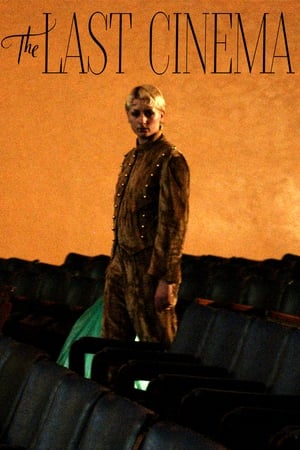
Cinema clerks Silva and Felix work the final night before their beloved cinema is demolished by private investors. An empty final screening allows them to reflect on the meaning of cinema in an age wherein art no longer occupies physical space.
Memories are fleeting. They penetrate our imagination, put us in a moment of trance and then disappear again. They will never return in the same way. In the search for them, we screw ourselves into ourselves.
Shot in two places marrying with each other by a single and fractured bridge between Condrieu and les Roches-de-Condrieu, this film is the continuation of exploring ephemeral movement through the use of editing, camera movements and color sampling.
A mosaic-style comedy following the life of a woman as time passes in her long-term casual BDSM relationship, low-level corporate job, and quarrelsome Jewish family.
Originally showcased in the "Cinema Differente" section of Kinomata retrospective, Yannick Arnault’s Orbe is a mesmerizing experimental study of visual perception and light. The film delves into the interplay of reflections, where the "real" is constantly deferred and modified, gaining a life of its own through the surfaces it inhabits. Arnault explores the fluidity of appearance, bridging the gap between external reality and an inner, more abstract truth. By liberating the object from traditional narrative constraints, Orbe creates a unique sensory experience that challenges how we see and interpret the world around us—a quintessential example of 1970s avant-garde filmmaking.