Charlotte Gainsbourg looks at her mother Jane Birkin in a way she never did, overcoming a sense of reserve. Using a camera lens, they expose themselves to each other, begin to step back, leaving space for a mother-daughter relationship.
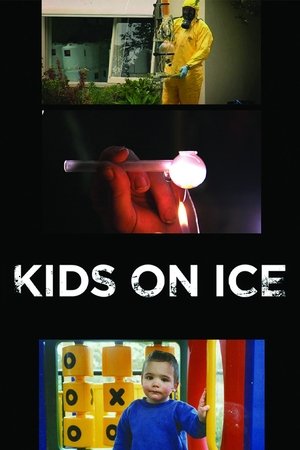
Quiet towns across rural Australia are in the grip of an Ice epidemic. Major international drug cartels are working with local outlawed motorcycle gangs to push crystal meth to a captive market of children.
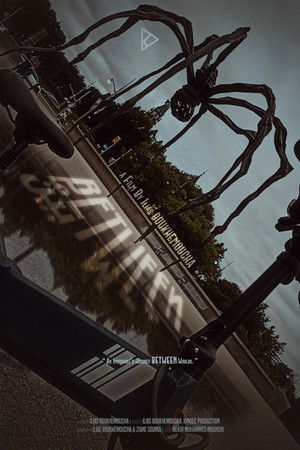
Initially embarking on an unplanned personal filmmaking project, Ilias Boukhemoucha finds himself drawn to the overlooked corners and marginalized communities within Canadian cities.
A glimpse into the junkie scene at Dortmund Central Station.
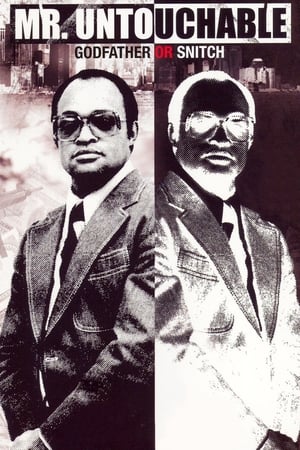
The true-life story of a Harlem's notorious Nicky Barnes, a junkie turned multimillionaire drug-lord. Follow his life story from his rough childhood to the last days of his life.
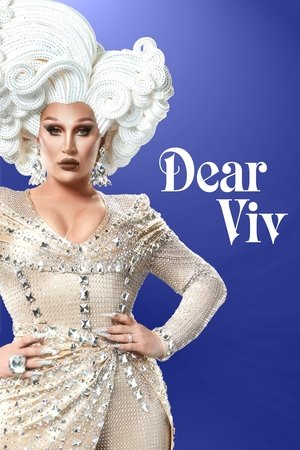
A tribute to drag superstar, The Vivienne. Friends and family share touching stories of the RuPaul's Drag Race UK winner and her legacy. Her spirit lives on through unreleased footage, showcasing her unique personality and how her passion for entertaining left a mark in the world. Interviews with her dearest drag sisters Baga Chipz, Michael Marouli, Danny Beard, Tia Kofi, Cheryl Hole and more.
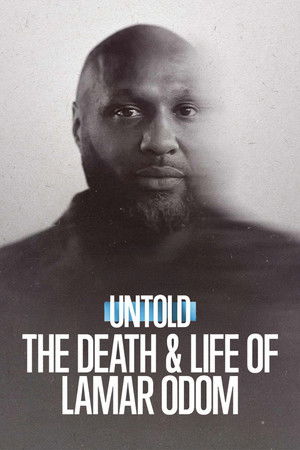
This documentary traces the life of Lamar Odom, from his rise to NBA fame and marriage to Khloé Kardashian to his near-fatal overdose in a Nevada brothel.
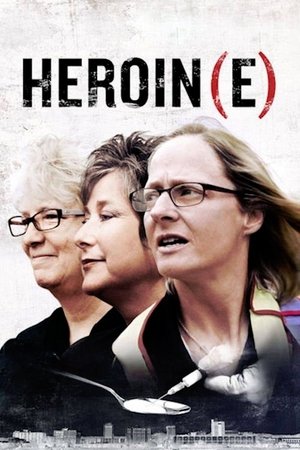
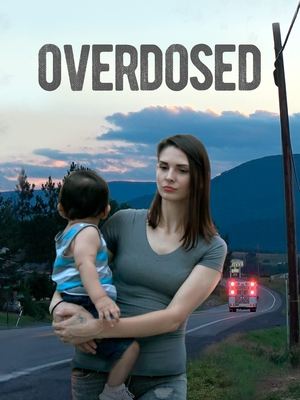
This documentary follows three women — a fire chief, a judge, and a street missionary — as they battle West Virginia's devastating opioid epidemic.
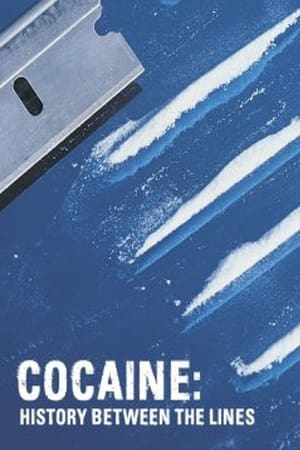
Cocaine has always gotten a bad rap, and for a reason. It is a drug used by the rich and the poor legally and illegally, Mexican cartels fought over it with Colombia once associated with the brutal cocaine wars, and a source of tension between the American and Mexican borders on the people who are illicitly bringing in cocaine from one side of the border to another and will do anything to do it. So it can be surprising at times to the viewer throughout the course of the documentary special, that it was never always like this.
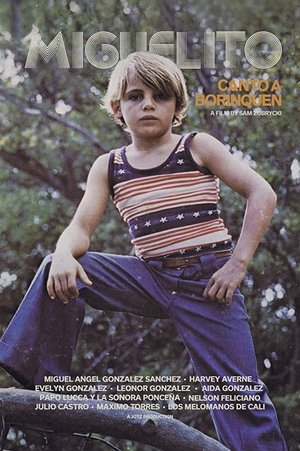
In 1973, eleven year old Miguelito was discovered singing in the San Juan airport by the legendary New York record producer Harvey Averne. Within the year, he went from the slums of Manuel A Perez, to recording an album with some of the finest salsa musicians of the time to finally performing with Eddie Palmieri at Madison Square Garden in front of 20,000 people. Throughout Latin America his songs ‘Payaso’ and ‘Canto a Borinquen’ had become cult hits. And then he simply disappeared...
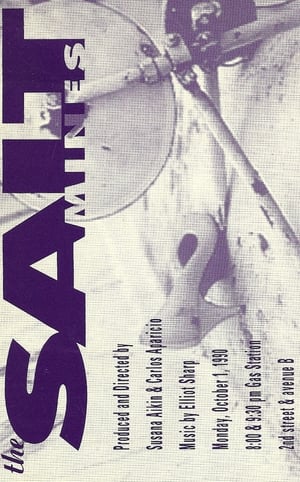
Explores the lives of Sara, Gigi and Giovanna, three Latino transvestites who for years have lived on the streets of Manhattan supporting their drug addictions through prostitution. They made their temporary home inside broken garbage trucks that the Sanitation Department keeps next to the salt deposits used in the winter to melt the snow. The three friends share the place known as "The Salt Mines".
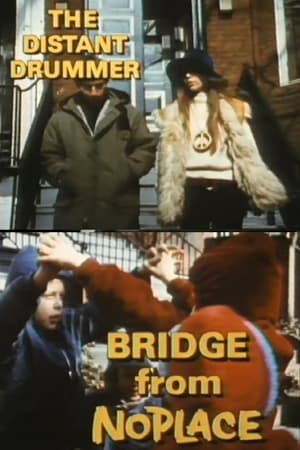
This film describes the 1960s drug culture. Addicts discuss their experiences in the United States and in Vietnam. Dr. Stanley Yolles, director of the National Institute of Mental Health (NIMH), talks about the drug culture and the NIMH role in prevention and treatment. The tape describes growth in the use of marijuana and heroin. In 1966, the Narcotic Addict Rehabilitation Act is the first law to give the addict a choice of treatment or jail. Synanon in California is a private, self-help, residential community that helps people deal with their addictions. New York's Daytop Village works not only with addicts on addictions, but on developing a new lifestyle. Methadone, though still experimental, has proved to be an effective treatment for heroin addiction.
Stresses recognition and treatment of drug abuse emergencies, accurate identification of symptoms, and immediate clinical procedures. Presents scenes of actual cases in the emergency room and adjoining physician's offices of Beth Israel Medical Center in New York City. Viewers observe emergency treatment of patients in the major classes of drugs commonly abused, opiates, depressants, stimulants, and hallucinogens. The film demonstrates to health professionals that successful management of drug overdoses can save most lives and avert additional organic and psychiatric complications.
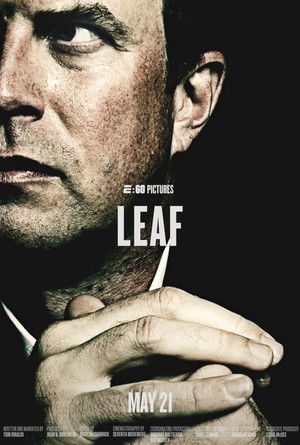
From can't miss future NFL star to incarcerated addict, former San Diego Charger Ryan Leaf shares insight into the choices and mistakes he made that changed his life forever.
Interviews with former drug dealers, over-prescribing doctors and DEA agents uncover a shocking truth of the pharmaceutical industry’s plan to target opioid sales to an impoverished community.
Filmmaker Stephanie Wang-Breal sets out to cross the generational divide, confronting long-simmering tensions with her Chinese immigrant mother by literally becoming her. Dressing in her mom’s iconic St John Knit power suits and re-creating her 1980s local TV cooking show, Stephanie becomes Beta-Florence, a radical reinterpretation of Asian-American identity.
A filmed sequence dramatizes the problems addressed in the program: the story of a working mother addicted to barbiturates initially prescribed by her doctor.
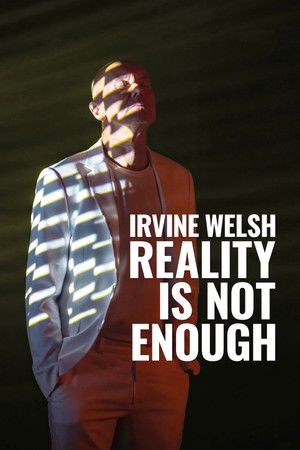
One of the most controversial writers of our times, join Trainspotting author Irvine Welsh as he undergoes a remarkable trip to find new meaning in his work, life and legacy.
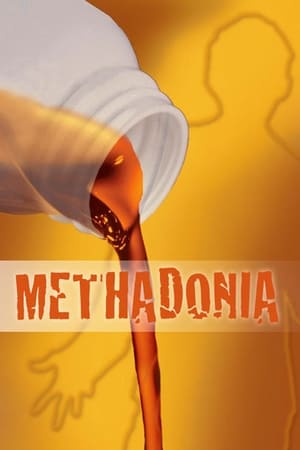
Shot over the course of 18 months in New York City's Lower East Side, METHADONIA sheds light on the inherent flaws of legal methadone treatments for heroin addiction by profiling eight addicts, in various stages of recovery and relapse, who attend the New York Center for Addiction Treatment Services (NYCATS).
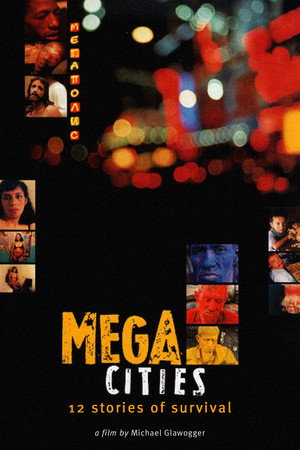
Megacities is a documentary about the slums of four different metropolitan cities.