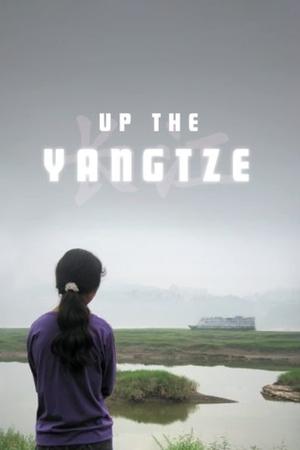
At the edge of the Yangtze River, not far from the Three Gorges Dam, young men and women take up employment on a cruise ship, where they confront rising waters and a radically changing China.
A calling inhabits the blank pages, unfolding a secret writing of hers. The unseen written traces seep from the murmuring land, pushing through fragmented voices to become new forms, beings made material. Framed as a dialogue with my grandmother, this film explores an alternative form of personal writing by Chinese women in political shifts, absent and abundant. The 'blank' becomes an image, carrying a search for agency; of land transformed and of women unheard. By breaking down linguistic structures, the film opens a space for imagining, reading, and performing, allowing for emergence.
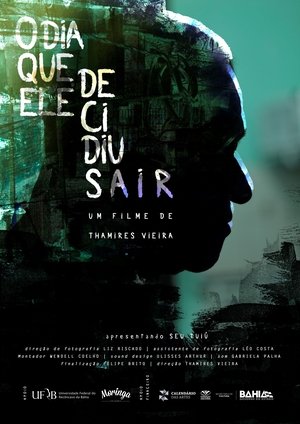
My grandfather Tuiu decides for the second time to leave his house and start a life elsewhere, he lives with the street hardships, and the fact of leaving is linked to the depredation of that place.
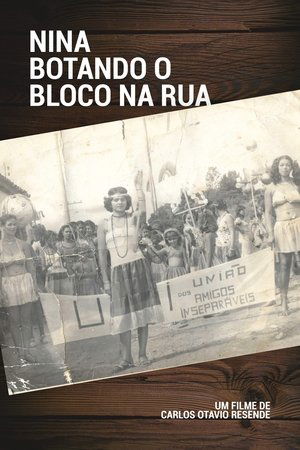
Nina - Botando o Bloco a Rua
Audrey, a woman in her mid-fifties, has never been able to make peace with her tumultuous family history. A clumsy mother, an emotionally distant father and sexual assaults that have gone unreported. She now decides to confront her demons. Supported by her son, the director of the documentary, she revisits a striking scene from her past: the moment when she told her parents that her grandfather had raped her. Together, through a year-long production process, they transform this awkward exchange into a moment of communion, thanks to actors, a set and Audrey's desire to do herself justice.
Ramprasad's entire family gathers under one roof for 13 days after his death, to perform and observe the Hindu traditions and rituals called the tehrvi. During the course, the family’s dynamics, politics, and insecurities come out, and then they realise that the importance of people and things are only evident in retrospect.
By recounting their experiences with family, friends, lovers and country, a group of strangers examine what it means to be loved as Nigerians and as women. Through these conversations, they unpack cultural biases, shared realities and potential alternatives towards a safer, softer future.
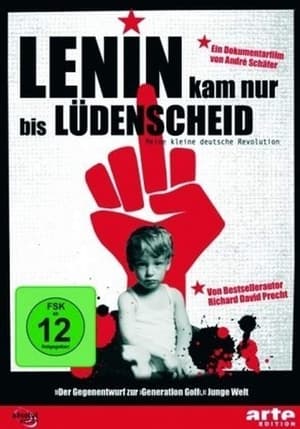
The free, almost naive view from the perspective of a child puts the "68ers" in a new, illuminating light in the anniversary year 2008. The film is a provocative reckoning with the ideological upbringing that seemed so progressive and yet was suffocated by the children's desire to finally grow up. With an ironic eye and a feuilletonistic style, author Richard David Precht and Cologne documentary film director André Schäfer trace a childhood in the West German provinces - and place the major events of those years in completely different, smaller and very private contexts.
School lunch chef Wanda McAfee-Conart reflects in her job and how it connects her to the sensory environment and to her own family history.
Memory prevents rest and a woman about to die takes advantage of cinema to tell her story (inseparable from that of Franco’s Spain) and to say goodbye. A terrace as a border and a song that crosses time. At home, nothing is always—and everything is still—in the present and defunct now. A home movie of ghosts, a generous gesture of intimacy and solidarity that not witnesses two people at the end of their long lives, but also reveals the weight of history and of the 20th century, which is always present today.
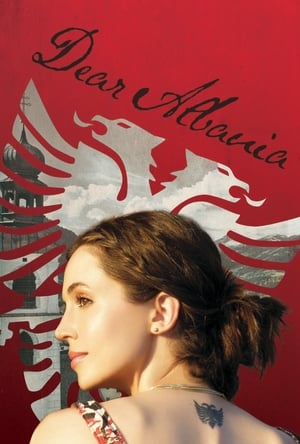
Eliza Dushku takes on her homeland of Albania.
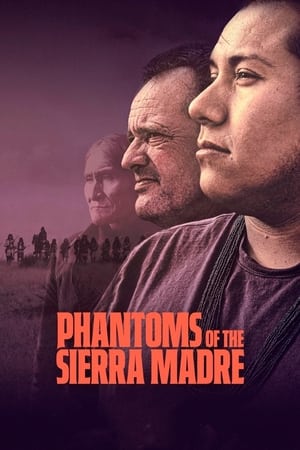
A Danish writer travels to Mexico with the purpose of locating a mysterious Apache tribe that fervently seeks to remain in obscurity.
Valentin lives with his grandfather Cosmo, a man of fragile health but with a bright spirit and unshakable optimism. Over the course of an important day, Valentin faces decisive moments in which his grandfather’s light silently guides his steps toward maturity, in a story that unfolds as a tender chronicle of daily life.
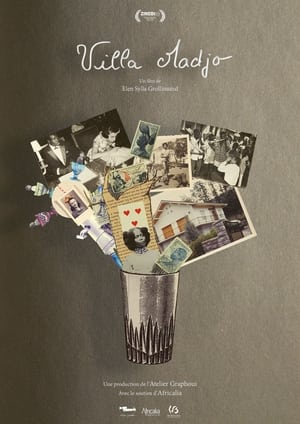
Villa Madjo
A girl and her grandmother celebrate a birthday on a summer day in Maine.
The film consists of video tapes made by the filmmaker’s father documenting daily scenes of family life, family celebrations, and holidays over the course of fifteen years. The tapes are a mixture of the personal and the political – the father was politically engaged in the revolutionary movement that brought Hugo Chávez to power. The family’s life becomes a backdrop for political and economic developments in Venezuela and their impact on the lives of ordinary citizens.
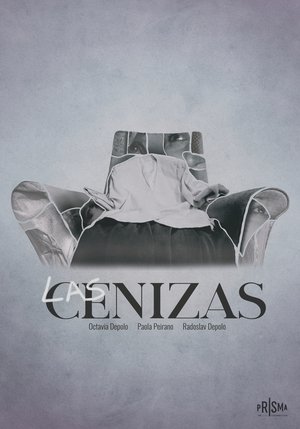
A cellar. A forgotten amphora. The ashes of a woman. Her granddaughter, daughter-in-law and son characterise her, entwining their memories and experiences. They reflect about filial love, gender and isolation through her overbearing nature.
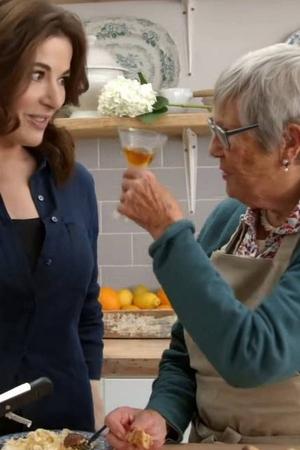
Anna Del Conte is The Cook Who Changed Our Lives and the instrumental force in leading Britain beyond the land of spaghetti bolognese and tinned ravioli. Featuring and narrated by Nigella Lawson, Anna’s most ardent advocate, and starring a cast of familiar faces including: Giorgio Locatelli, Antonio Carluccio, Hugh Fearnley-Whittingstall, Prue Leith and Tom Parker Bowles, this film reveals how a Milanese cook, now 91, changed Britain’s attitude to Italian food at a time when we could only buy olive oil in Soho or the chemist. Infused with cherished recipes, revealing archive and personal testimony, The Cook Who Changed Our Lives time travels through Britain’s social history to reveal how we experienced and enjoyed our first taste of Italian food.
Josué, a 15-year-old boy, visits his mother, with whom he doesn't have a good relationship, which leads to certain conflicts. Being in his old house, Josué remembers moments from when he was a child, which brings him closer to her.
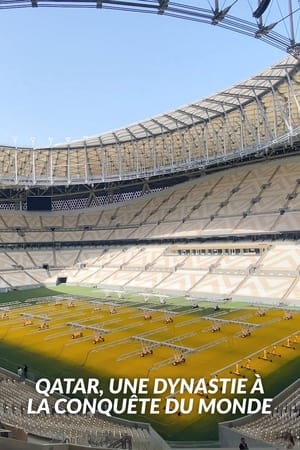
For three decades now, Qatar, this small desert kingdom, has not stopped being talked about; because of its financial power and the secrecy that surrounds it, the royal family that runs it fascinates as much as it frightens.