Gil Cardinal searches for his natural family and an understanding of the circumstances that led to his becoming a foster child. An important figure in the history of Canadian Indigenous filmmaking, Gil Cardinal was born to a Métis mother but raised by a non-Indigenous foster family, and with this auto-biographical documentary he charts his efforts to find his biological mother and to understand why he was removed from her. Considered a milestone in documentary cinema, it addressed the country’s internal colonialism in a profoundly personal manner, winning a Special Jury Prize at Banff and multiple international awards.
The film weaves together the filmmaker's introspections with survivor's collective memories. Amid deciphering a diary, the filmmaker reflects on personal encounters.
This documentary reveals the impacts of the Sixties Scoop, a period in which a series of Canadian policies enabled child welfare authorities to take, or “scoop up,” Indigenous children from their families and communities for placement in white foster homes. Explore Indigenous resilience through narrative sovereignty as experienced through the Little Bird series’ Indigenous creatives, cast, crew & community members.
The filmed account of a large Canadian rock festival train tour boasting major acts. In the summer of 1970, a chartered train crossed Canada carrying some of the world's greatest rock bands. The Grateful Dead, Janis Joplin, The Band, Buddy Guy, and others lived (and partied) together for five days, stopping in major cities along the way to play live concerts. Their journey was filmed.
A documentary feature film which aims to expand the usually one-sided conversation between students and teachers. During its runtime, raw experiences heard from all sides of the conversation are laid bare during its 77 minute runtime. From all of these interviewees, including a student, a school psychiatrist, and five teachers, the viewer shouldn't expect to be confronted with a narrow perspective but rather a question: "where do I stand?"
This Traveltalk series short visit to the province of Ontario begins in Ottawa, Canada's capital, then proceeds to Algonquin Park, Toronto, and Niagara Falls.
Here and Elsewhere takes its name from the contrasting footage it shows of the fedayeen and of a French family watching television at home. Originally shot by the Dziga Vertov Group as a film on Palestinian freedom fighters, Godard later reworked the material alongside Anne-Marie Miéville.
Cocaine has always gotten a bad rap, and for a reason. It is a drug used by the rich and the poor legally and illegally, Mexican cartels fought over it with Colombia once associated with the brutal cocaine wars, and a source of tension between the American and Mexican borders on the people who are illicitly bringing in cocaine from one side of the border to another and will do anything to do it. So it can be surprising at times to the viewer throughout the course of the documentary special, that it was never always like this.
From the acclaimed director of American Movie, the documentary follows former Los Angeles police officer turned independent reporter Michael Ruppert. He recounts his career as a radical thinker and spells out his apocalyptic vision of the future, spanning the crises in economics, energy, environment and more.
A spiritual journey into the highlands of Harar, immersed in the rituals of khat, a leaf Sufi Muslims chewed for centuries for religious meditations – and Ethiopia’s most lucrative cash crop today. A tapestry of intimate stories offers a window into the dreams of youth under a repressive regime.
Lost Heroes is the story of Canada's forgotten comic book superheroes and their legendary creators. A ninety-minute journey to recover a forgotten part of Canada's pop culture and a national treasure few have ever heard about. This is the tale of a small country striving to create its own heroes, but finding itself constantly out muscled by better-funded and better-marketed superheroes from the media empire next door.
Funk legend Sly Stone disappeared from the limelight for more than 20 years. Musicians and the media tried to find the recluse but failed. In 2005 Willem Alkema started searching for Sly. Sly didn't want to be found or filmed, but Willem didn't give up and finally followed Sly in his first steps on stage in decades.
This short documentary revisits Mi’kmaq territory, where an iconic moment was captured in 2013—igniting into a symbol of Indigenous resistance and halting fracking exploration on unceded lands.
The true-life story of a Harlem's notorious Nicky Barnes, a junkie turned multimillionaire drug-lord. Follow his life story from his rough childhood to the last days of his life.
In America, size matters. The bigger you are, the more power you have, especially in the business world. Anat Baron takes you on a no holds barred exploration of the U.S. beer industry that ultimately reveals the truth behind the label of your favorite beer. Told from an insider’s perspective, the film goes behind the scenes of the daily battles and all out wars that dominate the industry.
How mass protests on the Israel-Gaza border led to one of the deadliest days in a generation. One year later, a moment-by-moment investigation, drawing on exclusive interviews in Gaza and Israel and videos of the protests and bloodshed.
This feature documentary offers a complete record of the 1939 Royal Tour of Canada by King George VI and Queen Elizabeth. The film opens as the royal couple makes a stop in Québec city, where Premier Duplessis greets them. They then visit Montréal and meet mayor Camilien Houde. A visit to Ottawa brings them to Parliament, where Prime Minister MacKenzie King is present. The visit continues throughout Ontario, the prairies, and western Canada. The Royal couple also makes a brief stop in Washington and meets President Franklin Roosevelt. They then stop in on the Maritime provinces before boarding a Royal yacht for the journey back to England.
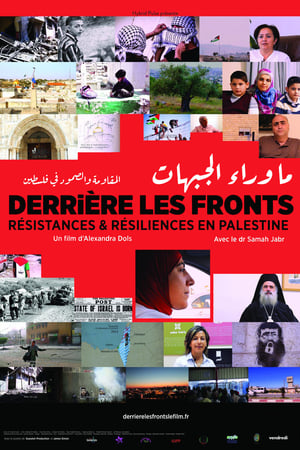
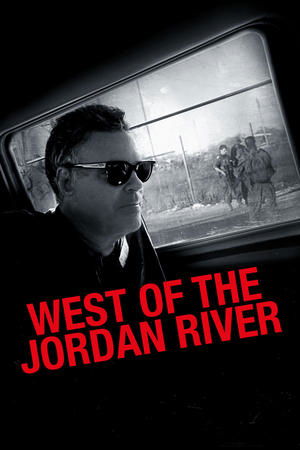
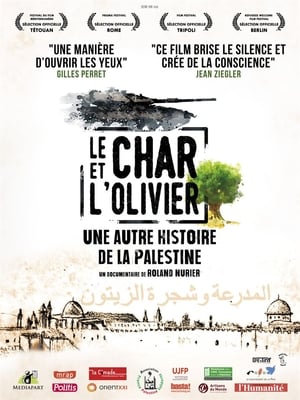
A thought-provoking documentary on the current and historical causes of the Israeli-Palestinian conflict and U.S. political involvement.
As police and DEA agents battle sophisticated cartels, rural, economically-disadvantaged users and dealers–whose addiction to ICE and lack of job opportunities have landed them in an endless cycle of poverty and incarceration–are caught in the middle.
A 60th anniversary retrospective documentary on the influence and context of the 1962 film, To Kill a Mockingbird.