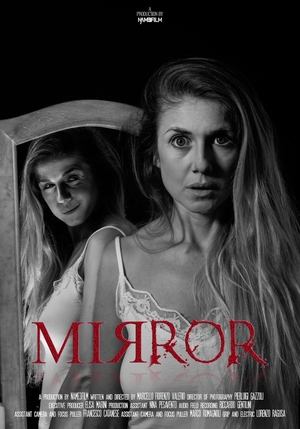
Two estranged sisters, Sam and Maggie, attempt to reconnect after the death of their mother. But Maggie isn't interested in anything, and that could be Sam's worst nightmare.
In the late sixties, Spanish cinema began to produce a huge amount of horror genre films: international markets were opened, the production was continuous, a small star-system was created, as well as a solid group of specialized directors. Although foreign trends were imitated, Spanish horror offered a particular approach to sex, blood and violence. It was an extremely unusual artistic movement in Franco's Spain.
$avy investigates the historical, cultural, and societal norms around women and money.
A feature-length documentary focusing on the acclaimed work and eclectic career of maverick filmmaker Larry Cohen, writer-director of "Black Caesar," "It's Alive," "God Told Me To," "Q," "The Stuff," and many more.
This short documentary sifts through the pages of a woman's diary who has recently begun to write her memoir. As she looks back at her life and some of her memories, the film explores the ordinary act of writing and the value and meaning it may hold in mundane everyday life.
Three women share their experience of navigating the app-world in the metro city. The sharings reveal gendered battles as platform workers and the tiresome reality of gig-workers' identities against the absent bosses, masked behind their apps. Filmed in the streets of New Delhi, the protagonists share about their door-to-door gigs, the surveillance at their workplaces and the absence of accountability in the urban landscape.
The origin story of America's first horror theme park and the thrilling journey of its founder. David Bertolino began as a salesman in a Boston joke shop and moved into Halloween products and costuming before becoming a “Hauntrepreneur” and launching the iconic SpookyWorld.
A man's quiet night gets interrupted when he realizes that there's someone or SOMETHING else in his house.
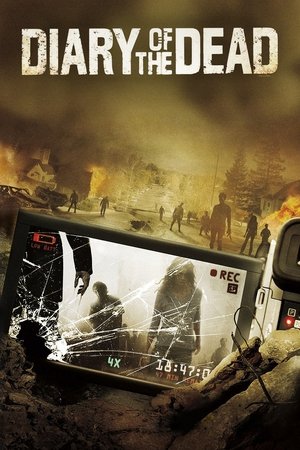
A group of young filmmakers encounter real zombies while filming a horror movie of their own.
Brought to life through archival material and the reflections of over 40 colleagues, friends and fans, BLOOD & FLESH is much more than the story of a moviemaking life most unusual. It beautifully captures the worlds of outsider filmmaker communities that existed in California in the ’70s, and the weird ways they intersected with Hollywood mainstream and union indies. On Adamson shoots, regular Orson Welles crew and cinematographers like Gary Graver, Vilmos Szigmond and Lazlo Kovaks worked alongside Bud Cardos — and at one point, Charles Manson! Director David Gregory (founder of Severin Films, director of LOST SOUL: THE DOOMED JOURNEY OF RICHARD STANLEY’S ISLAND OF DR. MOREAU) spent years making this film, speaking to everyone down to the cops who investigated Adamson’s murder, vividly encapsulating both a bold life and tragic demise, with alien conspiracies, go-go dancers and Colonel Sanders coming in along the way. If you’ve got even a passing interest in cinema, you want to see this
A poetic cine-essay about race and Australia’s colonised history and how it impacts into the present offering insights into how various individuals deal with the traumatic legacies of British colonialism and its race-based policies. The film’s consultative process, with ‘Respecting Cultures’ (Tasmanian Aboriginal Protocols), offers an evolving shift in Australian historical narratives from the frontier wars, to one of diverse peoples working through historical trauma in a process of decolonisation.
The story of the cult horror empire through interviews with cast, crew, and horror icons such as Don Mancini, Brad Dourif, Jennifer Tilly, Catherine Hicks, Chris Sarandon, John Waters, Fiona Dourif, Perrey Reeves, Gerrit Graham, David Kirschner, and dozens more.
A feature-length documentary on the life and work of Wisconsin grindhouse cinema auteur Bill Rebane, featuring historians, critics, and filmmakers, plus cast and crew members who worked with Rebane himself.
The open road presents a point of departure for director lori lozinski to process deep-seated grief. Revisiting the formative experiences that drove her ambition, lozinski examines the influence of her parents in the present light of day.
Prestonburg, KY is a small blue-collar town with hunting, fishing, coal mining, and two of the biggest names in online horror talk radio: Wes Vance and Aaron Frye (aka "The Creepy Kentuckian" and "Uncle Bill") The two self-proclaimed "redneck geeks" bonded at a young age while their weekends devouring horror films. They now use their extensive horror knowledge to record a weekly podcast on DEADPIT.com and have found a worldwide audience through their candid conversation, quick wit, and lots of swearing. What started as an outlet to express their love for horror films has evolved into an online industry with millions of followers and the ability to talk to their childhood heroes. But what happens when your childhood pursuits start to collide with your adult aspirations? Can Deadpit survive it's own success?
Behind the scenes footage of I'm Dangerous Tonight. Footage shot by Stan Giesea and Eric H. Lasher
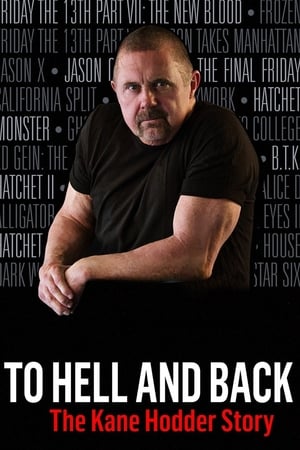
To Hell and Back: The Kane Hodder Story is the harrowing story of a stuntman overcoming a dehumanizing childhood filled with torment and bullying in Sparks, Nevada. After surviving a near-death burn accident, he worked his way up through Hollywood, leading to his ultimate rise as Jason Voorhees in the Friday the 13th series and making countless moviegoers forever terrified of hockey masks and summer camp. Featuring interviews with cinema legends, including Bruce Campbell (Ash vs. Evil Dead), Robert Englund (Freddy Krueger), and Cassandra Peterson (Elvira: Mistress of the Dark), To Hell and Back peels off the mask of Kane Hodder, cinema's most prolific killer, in a gut-wrenching, but inspiring, documentary. After decades of watching Kane Hodder on screen, get ready to meet the man behind the mask in To Hell and Back - an uniquely human story about one of cinema's most vicious monsters.
Documentary about the making of the 1983 thriller "Cujo"
Investigates the politics of cinematic shot design, and how this meta-level of filmmaking intersects with the twin epidemics of sexual abuse/assault and employment discrimination against women, with over 80 movie clips from 1896 - 2020.
An exploration of the appeal of horror films, with interviews of many legendary directors in the genre.