In this 21st century, under the cloak of capitalism, governments, and other systems by which society is governed, this short film shows the true social reality of many people “on the street”.
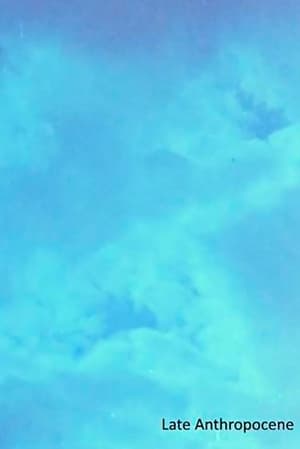
C+M, for YK. Subtractive colour blending is used in an attempt to conjure Yves Klein's 'L'accord bleu (RE 10)', 1960. The limitations imposed by media and technology ensure that my perfect pigment never is, and that what is produced is ephemeral, declarative, and reverent of the impure. Laser printed onto recycled 16mm film in 2014.
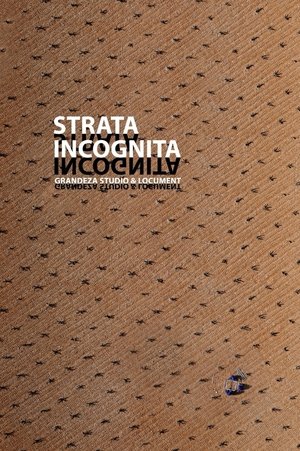
STRATA INCOGNITA, is a trans-scalar and trans-temporal journey across the geographies that articulate soil as an agro-industrial infrastructure, but also as an ecosystem and a somatic archive of crimes, memories and myths.
Structural study of a tree. Light, water and air coax it out of the soil in a manner foregrounding time’s relativity to different forms of life on Earth. Made the day my brother got his fork-lift license.
Experimental movie, where a man comes home and experiences LSD. His kaleidoscopic visions follow, with readings inspired by the Tibethan Book of the Dead.
Make your adjustments.
Hand processed expired Kodak 7291, Camera: Beaulieu R16, Lens: Angenieux 12-120mm with +3 Diopter, Polarising filter for the clouds. Hand processed in C-41 chem using a Lomo UPB-1A tank. Still haven't mastered removal of the rem-jet anti-halation layer (thats all the white 'static' on the film). The film expired about 40 years ago.
Watch out Earth.
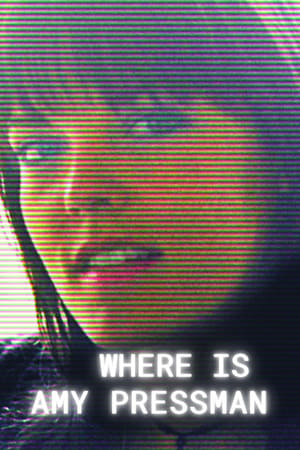
In 2007, a teen girl from a posh L.A. suburb must deal with the grizzly murder of her family while trapped in the company of their killers.
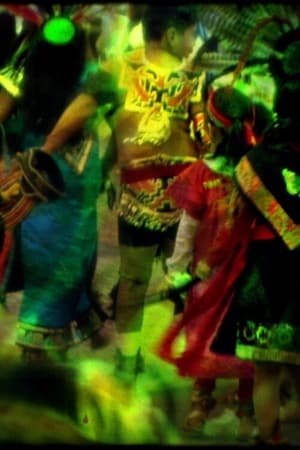
These are the dancing bodies in an agitated rapture: prelude to trance, invocation of the gods, consecration of intermittence. Here our point of view sparkles under the spell and trance of things gathered, fallen, yielding, pluvial, Mesoamerican wind, goddess breath, breeze of sticks. percussive woods. Here the audiovisual diagram that guides us, the kinetic breath that inspires us, the serpentine spear that snatches us away, the agitated plumes that trembles at us are the sound and rumbble of Teponaztli, a Mesoamerican percussive instrument: serpentine, dancing, bouncing sticks, trunks, branches and wood. Kinetic and audiovisual serialism from the embers of the Earth. This is the Earth in a Trance.
In Pictures for Charis, American photographer Kelli Connell reconsiders the relationship between writer Charis (pronounced CARE-iss) Wilson and photographer Edward Weston through a close examination of Wilson’s prose and Weston’s iconic photographs of the Western landscape and the female nude. Connell weaves together the stories of Wilson and Weston with that of her own relationship with her partner at the time, Betsy Odom, enriching our understanding of the couple from her contemporary queer and feminist perspective. Using Weston and Wilson publications as a guide, Connell and Odom created portrait and landscape photographs at sites where Wilson and Weston lived, made art, and spent time together. - Cleveland Museum of Art
Kelli Connell spent a decade investigating and editing Edward Weston's photographs, Chris Wilson's writings, and her own photographs and writings to create the exhibition: Kelli Connell: Pictures for Charis and its accompanying book. - Cleveland Museum of Art
Six sequences about Fascism and its segments throughout history.
This work is a representation of the deterioration of the first love of Nakano Eiji. He uses a psychedelic effect to represent the deterioration.
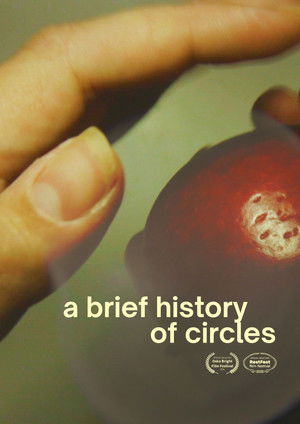
An experimental video essay which uses circles and waves to explore neurodivergent experience.
a woman getting ready after a swim who happens to get captured by my lenses, farah.
fifteen zero three nineteenth of january two thousand sixteen explores how everyday routines and gestures are transformed when a mother loses her child in the violence impacting Swedish outskirts since the early 2000s. The film resists simplistic media depictions of the suburbs and shows how a home can hold both mourning and the mobilization of women to fight for their own and others' children.
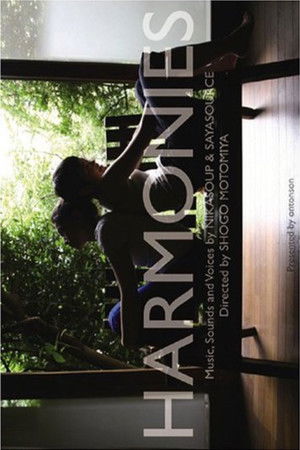
Japanese two female singer-songwriters, Kazumi Nikaido (also known as Nika Soup) and Saya Source (of Tenniscoats, Maher Shalal Hash Baz). Nika is known for her chameleon-like ability to transform her voice, while Saya has a melancholic and straightforward singing style. Both have distinct voices that can be identified immediately, but when they sing in unison, they create melodies that are truly sublime. They have released charming album IPIYA (2005) features playful pop songs reminiscent of nursery rhymes, repetitive mantra-like tracks. The two went back and forth from their homes in Hiroshima and Tokyo to create beautifully diverse songs for this record. This is the documentary of "how" and "why" and also "where" they had made the very original music. Many interviews, rehearsals, free sessions, live performances are included. There is a childlike innocence to this documentary, and offers a peak into the unique world of how they make music.
Like at the New Year’s Eve, showers of colourful light cut through the darkness. While fireworks dissolve into nothing after a thunderous sound, shattered glass leaves material artifact. Sharp pieces then become a reminder of the real track that fireworks leave in the sky.
Outtakes, commentary from Zefier's third film: Jo; or The Act of Riding a Bike.