The Invisible Subtitler is an independent documentary about the use of subtitles in cinema and the life of subtitlers themselves, focusing on the economic issues faced by the subtitlers and how they are currently invisible in the globalized business of the film industry.
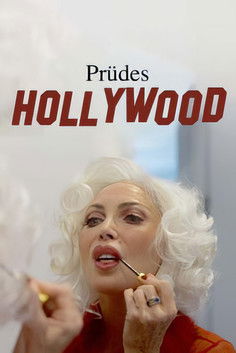
In recent years, Hollywood productions have turned away from sensuality. Is the sex scene on the verge of extinction or reinvention? Alongside film professionals and researchers, this documentary deciphers a trend that speaks volumes about the evolution of the industry and our societies.
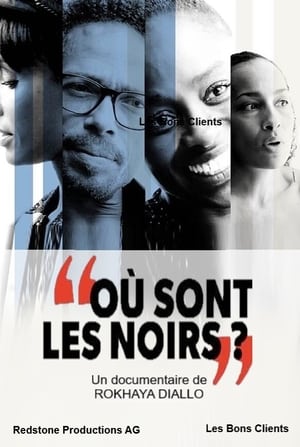
French actors Lucien Jean-Baptiste, Aïssa Maïga, Sonia Rolland, Deborah Lukumuena, Marie-France Malonga, Gary Dourdan and others speak up on the reality of black actors in the French movie industry.
If you’ve seen Top Gun or Transformers, you may have wondered: Does all of that military machinery on screen come with strings attached? Does the military actually get a crack at the script? With the release of a vast new trove of internal government documents, the answers have come into sharp focus: the US military has exercised editorial control over thousands of films and television programs. As these activities gain new public scrutiny, new questions arise: How have they managed to fly under the radar for so long? And where do we go from here?
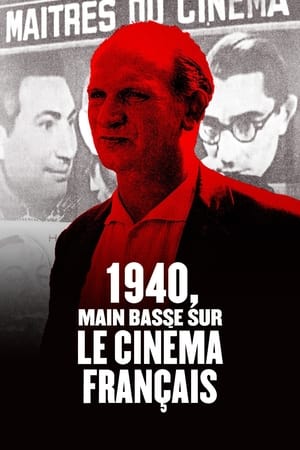
Paris, 1940. German occupation forces create a new film production company, Continental, and put Alfred Greven – producer, cinephile, and opportunistic businessman – in charge. During the occupation, under Joseph Goebbels’s orders, Greven hires the best artists and technicians of French cinema to produce successful, highly entertaining films, which are also strategically devoid of propaganda. Simultaneously, he takes advantage of the confiscation of Jewish property to purchase film theaters, studios and laboratories, in order to control the whole production line. His goal: to create a European Hollywood. Among the thirty feature films thus produced under the auspices of Continental, several are, to this day, considered classics of French cinema.
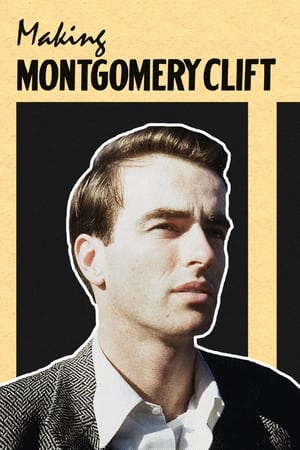
Classic film star and queer icon Montgomery Clift’s legacy has long been a story of tragedy and self-destruction. But when his nephew dives into the family archives, a much more complicated picture emerges.
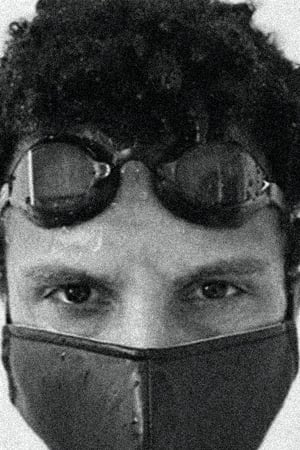
Short documentary in which Ivan Barbosa follows Tarikh Janssen's career switch. The actor leaves the movie world behind and returns to top swimming. Together, Barbosa and Janssen explore taboo topics such as white innocence, Black identity and the Black Lives Matter movement to expose the absurdity and seriousness of today's racism debate.
Brazilian documentary film directed by Salvyano Cavalcanti de Paiva that showcases the evolution of Brazilian artists in the American film industry between the late 1920s and 1950s. Using archive footage, it highlights the contributions of figures like Carmen Miranda.
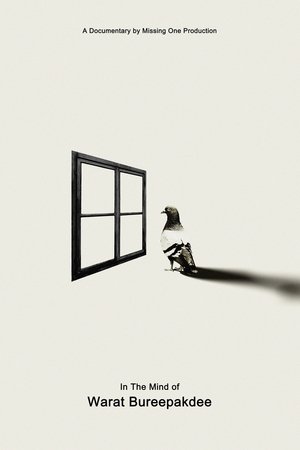
A documentary about the story of what's in Warat's head with politics and the film industry through his movie “Secret Among Wings”
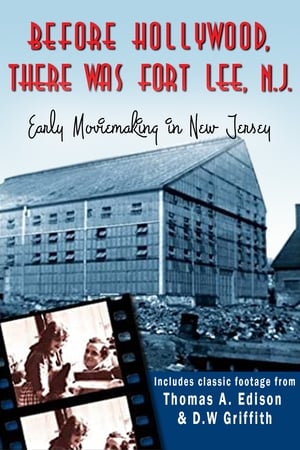
Amazing, but true: Fort Lee, New Jersey (just across the George Washington Bridge from Manhattan), was once the epicenter of American film production. This documentary of a truly bygone era combines photographs culled from private collections, as well as restored footage from such films as Thomas A. Edison's Rescued from an Eagle's Nest and D.W. Griffith's The New York Hat, filmed at the studios in Fort Lee.
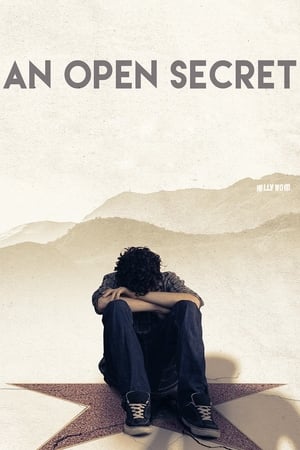
An investigation into accusations of teenagers being sexually abused within the film industry.
At a pivotal moment for gender equality in Hollywood, successful women directors talk about their art, lives and careers.
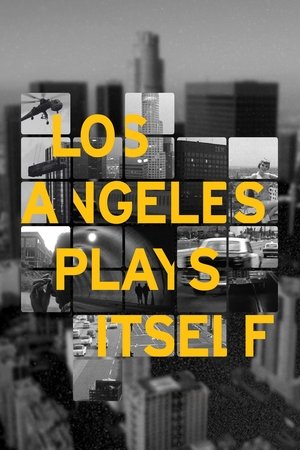
From its distinctive neighborhoods to its architectural homes, Los Angeles has been the backdrop to countless movies. In this dazzling work, Andersen takes viewers on a whirlwind tour through the metropolis' real and cinematic history, investigating the myriad stories and legends that have come to define it, and meticulously, judiciously revealing the real city that lives beneath.
People in the entertainment industry recognize Darryl Henriques as an immensely talented comedian: one who creates a unique and biting commentary on modern life. Yet, up until now he's been unable to break through and make a living as a performer. This is mostly because Darryl is driven to speak the truth, as he sees it, even when it conflicts with his ambitions. All his life, Darryl has been caught between his desire for success and his need to challenge authority - both on and off stage. At times, Darryl deliberately alienates his audience with his improvised routines and then tries to win them back. Such theatrics give pause to the people who could help Darryl to become more of a commercial success. This film is a portrait of an artist struggling to come to terms with his eccentricities as he attempts to gain access to a larger audience without compromising his spontaneity or the integrity of his humor.
For more than 40 years Kathryn Bigelow has been making films that explore male violence. With movies like Blue Steel, Point Break, The Hurt Locker and Zero Dark Thirty, the Oscar winning American filmmaker has impressed with hard-hitting moviemaking that holds a mirror up to contemporary America and the world.
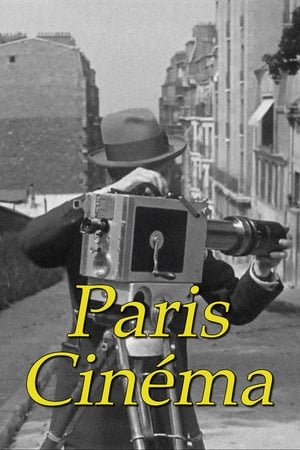
The first behind-the-scenes documentary in the film industry, from the making of a camera (Debrie) to studio shooting and directing, including animation techniques. Pierre Chenal meets André Rigal who executes, in his workshop, a series of freehand drawings. These sketches are then ground in a coffee grinder, from which a cartoon on film emerges. In Champigny, Alain Saint-Ogan and his host are working on Zig et Puce and developing Alfred the penguin's first steps. In Fontenay-sous-Bois, Ladislas Starewitch presents his future stars. Pierre Chenal described his film as follows: “I had designed to shoot a documentary in which I would show how a film is made in order, at the same time, to learn it myself. "
In 1982, Wim Wenders asked 16 of his fellow directors to speak on the future of cinema, resulting in the film Room 666. Now, 40 years later, in Cannes, director Lubna Playoust asks Wim Wenders himself and a new generation of filmmakers (James Gray, Rebecca Zlotowski, Claire Denis, Olivier Assayas, Nadav Lapid, Asghar Farhadi, Alice Rohrwacher and more) the same question: “is cinema a language about to get lost, an art about to die?”
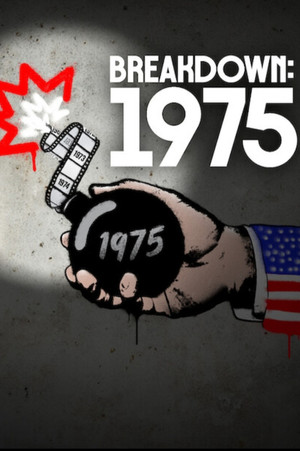
In 1975, as America faced social and political upheaval, filmmakers turned chaos into art.
Debra Hill's documentary tells the story of her multifaceted life and of inspiring filmmakers around the world, and her legacy as a creative producer, mentor, film pioneer and activist is an enduring one.
Made for German TV documentary about the early craze of Hong Kong Martial Arts Cinema. While critical on the subject and not too well informed, it nevertheless offers some interesting insights into the Hong Kong film industry of that days.