Civil Rights Movement activist, TSSAA Hall of Fame Basketball Coach, swim coach, teacher, musical director, father, grandfather, and friend to many, Coach Sylvester Ford Sr. was known by many as “Big Time.” The nickname was given to him as a kid for his height, but “Big Time” showed time and time again why his nickname was about way more than his looks– it’s also because of how he showed up big for his community. Hometown Feature Audience Award winner at Indie Memphis 2024, Big Time chronicles the life of legendary Memphis basketball coach, Sylvester Ford Sr., while inspiring us all to live “big time” lives along the way.
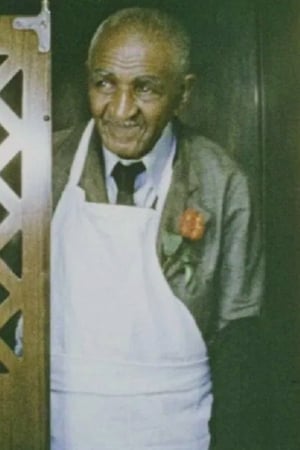
Color footage of inventor George Washington Carver at Tuskegee University in Alabama. Dr. Carver is filmed at his apartment, office, laboratory, and garden.
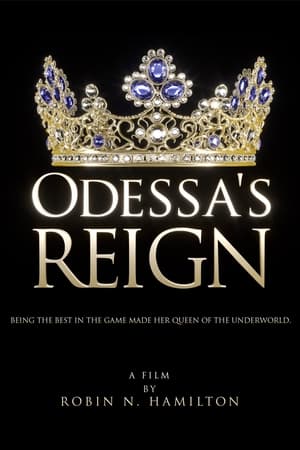
Black women had extremely limited options during Jim Crow. Odessa’s story explores how an African American woman born in a time with limited options leveraged her incredible mind and quick wit to become wealthier than she ever should have been able to This film takes a look at choices that were made, a wild ride Odessa had as an underworld queen, and consequences from her choices Odessa Madre’s life was a mix of resilience and bookend by the vicissitudes of luck, a contrast of economic success within
From his Memphis studio, Ernest Withers’ nearly 2 million images were a treasured record of Black history but his legacy was complicated by decades of secret FBI service revealed only after his death. Was he a friend of the civil rights community, or enemy—or both?
Since August 2024, in Martinique, a popular protest movement against the high cost of living has been reemerging under the leadership of the RPPRAC (Rassemblement Pour La Protection Des Peuples Et Des Ressources Afro-Caribéens – Gathering for the Protection of Afro-Caribbean Peoples and Resources). On the island, food prices are on average 54% higher than in mainland France.* Through various cultural figures, the people of Martinique are expressing their anger and seeking concrete solutions. *Source: Kiprix, Price comparison between supermarkets in the French overseas territories and mainland France.
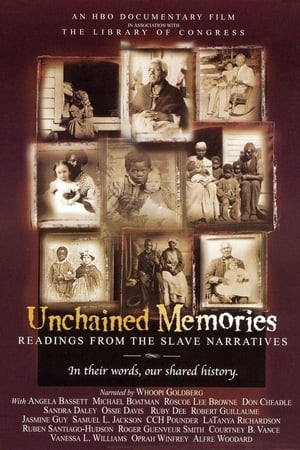
When the Civil War ended in 1865, more than four million slaves were set free. Over 70 years later, the memories of some 2,000 slave-era survivors were transcribed and preserved by the Library of Congress. These first-person anecdotes, ranging from the brutal to the bittersweet, have been brought to vivid life in this unique HBO documentary special, featuring the on-camera voices of over a dozen top African-American actors.
Traces the life of Booker T. Washington, ex-slave, author, educator, and political leader, focusing on his stewardship of Tuskegee Institute in Alabama. Uses historic photographs, re-created vignettes, and interviews with contemporaries such as W.E.B. DuBois to present Washington's complex personality and his influence on southern life after the Civil War. Also examines his controversial policies of Black economic self-reliance and political accommodation
A short film entitled "A Letter To Claudette Colvin", written and directed by Victoria Wilson bringing awareness to Colvin's involvement in the Montgomery Bus Boycott which ignited due to her refusal on March 2, 1955.
A look at the Black revolution in 1970s cinema, from genre films to social realism, from the making of new superstars to the craft of rising auteurs.
The role of African American soldiers during the World War II Allied invasion of Normandy.
The story of how Everett Leroy Jones became Amiri Baraka, from his childhood to the mid '60s, is told through interviews recorded in the late '90s.
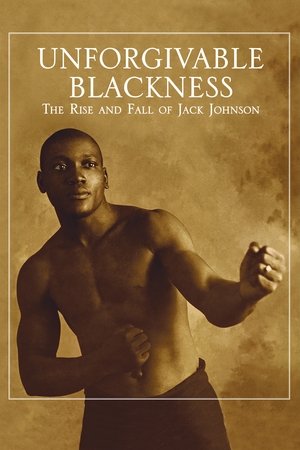
The story of Jack Johnson, the first African American Heavyweight boxing champion.
Two artists from Alexandria, Virginia, revisit the town’s segregated past and tell the story of family, friendship, loss, and love through historical dollhouses.
A small urban city with a gargantuan wealth of history, contributions, and changes. From the steel industry, music, politics, education, and sports; Gary, Indiana has made its mark on the region, state, and country. With all of the richness found in this jewel in northwest Indiana, why has it declined economically and will it become "City of the Century" as it was previously?
Documentary film on events that happened on August 28th in African-American history, shown at the Smithsonian African-American History Museum.
Produced in 2004, Inspired by the book, Glory In A Snapshot A Photographic Look at Bedford-Stuyvesant, Bedford-Stuyvesant Beautiful is a video that gives you an insight into life in this historic community.
Documents the race riot of 1921 and the destruction of the African-American community of Greenwood in Tulsa, Oklahoma. With testimony by eyewitnesses and background accounts by historians.
The Black Contribution – Literature and Theater 1978 is a rare documentary highlighting the voices and cultural impact of African American writers and performers during the civil rights era. Introduced by NAACP leader Benjamin Hooks and narrated by Roscoe Lee Brown, the film weaves together dramatic readings, theatrical excerpts, and candid urban street footage. Margaret Walker’s poem For My People is performed alongside scenes of daily Black life in New York City — children playing, families on stoops, open fire hydrants, and the realities of poverty in 1970s neighborhoods. James Baldwin appears in interview footage, while signs for his play The Amen Corner and stage excerpts from Lorraine Hansberry’s A Raisin in the Sun underscore the powerful presence of Black voices in American theater. With rare shots of Harlem life, literature, and performance, this film documents the enduring contributions of African American artists to U.S. culture and history.
Until 1942 around 100 German propaganda films were made, that were set in Africa. They were produced in Germany, with Black Germans and Africans living in Germany. Who were these Black extras and how did they come to Germany? Why did they work in film-making? Which roles did they play and what messages did they send? What were their daily experiences as Black people during the Weimar Republic and the Nazi Regime?
Using newly uncovered historical documents, this documentary short pieces together the most complete and accurate account of the life of Viro Small ever told. Nicknamed "Black Sam of Vermont" for his ties to the Green Mountain State, Small was a pro wrestling pioneer who reached the height of his notoriety in 1880's New York City.