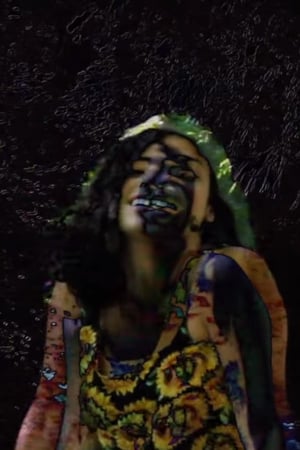
The world appears black on black until it separates from itself, looks at itself, includes itself, and sees colour.
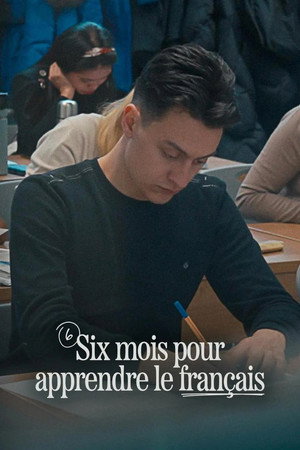
Can you learn French in six months? We followed people from all over the world, including Ukraine, China, and Iran, who attempted to do just that in a French immersion program at Cégep du Vieux Montréal. We delve into their learning journey, their daily lives, and the unique stories that led them to rebuild their lives in Quebec.
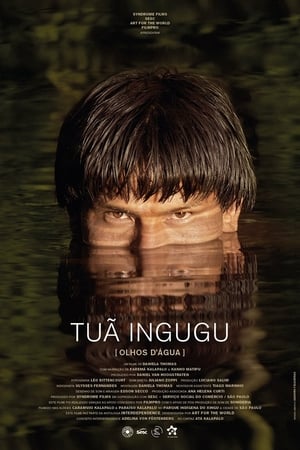
In the Kalapalo cosmogony (an ethnic group that lives in the Xingú Indigenous Park), water is as old as humans and is the source of life. That is where all their sustenance comes from, their food, their drink, their joy. The idea of using water as a dumpster, of poisoning water is a dystopia. In this documentary Chief Faremá —from Caramujo village on the banks of the Kuluene River— tells us about the birth of water and warns us about the consequences of disrespecting it.
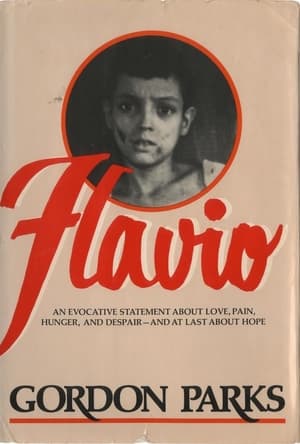
Documentary about a boy living with his family in extreme poverty in Rio de Janeiro.
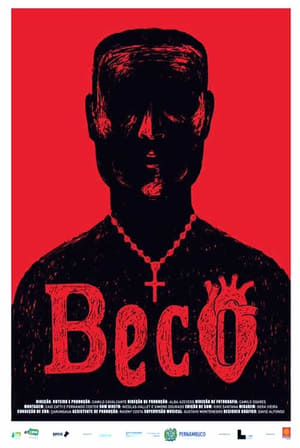
Beco
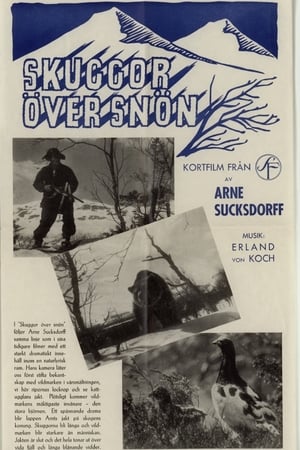
A nature documentary about the predators in the Swedish winter mountains: the owl, the bear and man.
The story of two fawns. Little Uwe had brought them home from the forest, unaware that he was putting their lives in grave danger, because does will not accept fawns that have been touched by humans.
The Drill family lives in a big city house where everything runs smoothly. The father drives a small van with groceries, the son rides a motorcycle, the daughter rides a bicycle, and Mr. Höflich from the floor below, who adores the daughter, drives a small car. But in order for everyone to be one big family in traffic, they have to be considerate of each other.
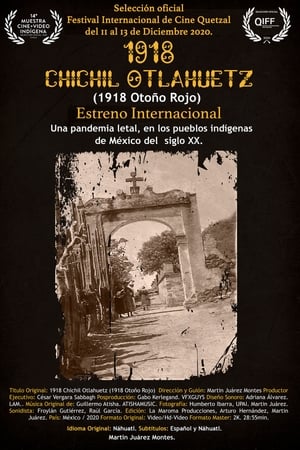
Historical heritage documentary about the disease that, 100 years ago, occurred during and after the Mexican Revolution. This film presents real testimonies of this cruel pandemic in the indigenous peoples of Mexico in the 20th century.
A jetliner spans the miles, sheering through clouds to open sky and scenic vistas of the provinces below. Glimpses of town and country, of people of many ethnic origins, of a resourceful and industrious nation - impressions it would take days and weeks to gather at first hand - are brought to you in this vivid 1800-kilometer panorama.
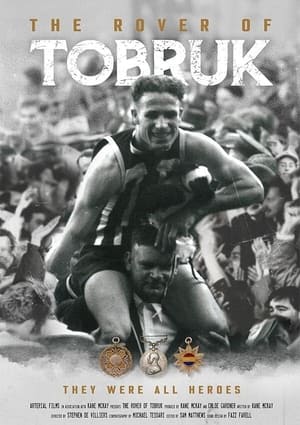
A documentary written by Kane McKay, a returned military serviceman, about Bob Quinn, a recipient of the Military Medal for his heroic actions in World War II in Tobruk, 1941, and also champion player for a number of years at the Port Adelaide Football Club.
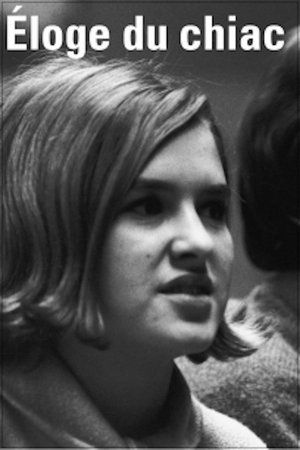
Set in New Brunswick, "Éloge du chiac" takes the form of an open discussion between a young French-language teacher and her students in Moncton. Through their exchanges, Michel Brault examines the challenges of preserving French in a bilingual region where English predominates, and explores the contested status of Chiac, a local French dialect shaped by centuries of linguistic contact.
From the lower St. Lawrence, a picture of whale hunting that looks more like a round-up, with a corral, whale-boys and all. In 1534, when he stopped at the island he named l'Île-aux-Coudres, Jacques Cartier saw how the Indians captured the little white beluga whales by setting a fence of saplings into off-shore mud. In the film, the islanders show that the old method still works, thanks to the trusting 'sea-pigs,' the same old tide, and a little magic.
In October, during the tense days of the Nagorno-Karabakh war, the director takes his camera to the village of Ashagi Nuvedi in Lankaran. The film follows the daily lives of fishermen — Sakhavat, Ramesh, Rza and Tehran — living in the shadow of the war. They go out to sea every morning amid news from the front, fearing empty nets, and hoping for a miracle — a goldfish in difficult days.
An undocumented immigrant explores his and his family's immigration trauma while grasping hope through a voicemail.
A silent film portraying winter across three continents.
Documentary about the life of three families living in the city of Boa Vista, north of Brazil. Some of them look for a more intense daily life going to parties, work and dealing with family trouble, others want to get back to the tribe. Personal crises and the search for their own identity are aspects that reveal great relevance.
A super 8 projection which references the essay “On the Jewish Question” by Karl Marx.
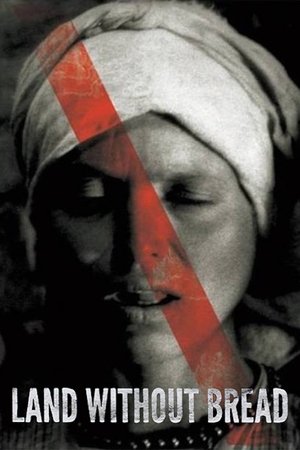
An exploration —manipulated and staged— of life in Las Hurdes, in the province of Cáceres, in Extremadura, Spain, as it was in 1932. Insalubrity, misery and lack of opportunities provoke the emigration of young people and the solitude of those who remain in the desolation of one of the poorest and least developed Spanish regions at that time.
The Acadian Forest once spanned across the entirety of modern day New Brunswick and beyond and has been home to a variety of Indigenous peoples, animals, and tree species. This documentary listens to several experts in their fields, all relating to the land and peoples as they discuss the meaning to the forest to Indigenous people, themselves, and the land itself. See what experts say has happened to the former glory of the forest, its use throughout industrialization, modern times, and where things can go into the future.