Peaceful citizens (one of whom resembles Felix the Cat) are dancing to music before their island is being invaded by a gigantic rodent that resembles Mickey Mouse. The islanders contact legendary folk-hero Momotaro from a giant book to battle Mickey.
Part of the "Flight Safety" series of animated shorts commissioned by the U.S. Air Force at the end of World War II. This one,completed by United Productions of America, describes the dangers of mid-air collisions during join-up maneuvers.
The true story of Charlotte Salomon, a young German-Jewish painter who comes of age in Berlin on the eve of the Second World War. Fiercely imaginative and deeply gifted, she dreams of becoming an artist. Her first love applauds her talent, which emboldens her resolve. When anti-Semitic policies inspire violent mobs, she escapes to the safety of the South of France. There she begins to paint again, and finds new love. But her work is interrupted, this time by a family tragedy that reveals an even darker secret. Believing that only an extraordinary act will save her, she embarks on the monumental adventure of painting her life story.
September 1st, 1939. Nazi Germany invades Poland. The campaign is fast, cruel and ruthless. In these circumstances, how is it that ordinary German soldiers suddenly became vicious killers, terrorizing the local population? Did everyone turn into something worse than wild animals? The true story of the first World War II offensive that marks in the history of infamy the beginning of a carnage and a historical tragedy.
This remarkable documentary dedicates itself to an extraordinary chapter of the second World War – the psychological warfare of the USA. America’s trusted cartoon darlings from the studios of Warner Bros., Paramount, and the “big animals” of the Disney family were supposed to give courage to the people at the homefront, to educate them, but also to simultaneously entertain them. Out of this mixture grew a genre of its own kind – political cartoons. Insightful Interviews with the animators and producers from back then elucidate in an amusing and astonishing way under which bizarre circumstances these films partially came into existence.
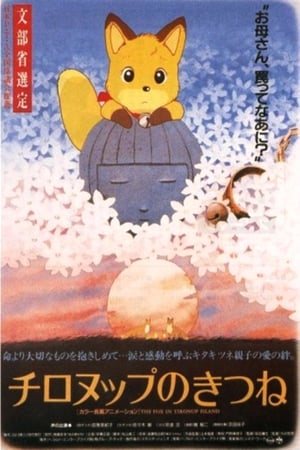
Foxes Ken and Chin become the proud parents of cubs, Koro and Kan, who enjoy a carefree life on the northern Japanese island of Chironup. They befriend a fisherman and his wife but are forced to run for their lives when soldiers on a military exercise decide to take home some fox pelts as souvenirs. A sweet little film that obliquely symbolizes the plight of Japan's aboriginal Ainu people and the northern islands that have been contested with Russia since they were occupied by Stalin's soldiers in 1945.
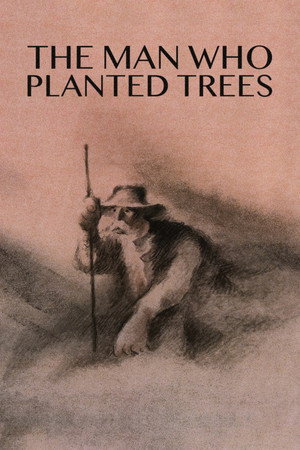
The story of one shepherd's single-handed quest to re-forest a desolate valley in the foothills of the French Alps throughout the first half of the 20th century.
This very brief cartoon from Japan whose title translated means "The Monkey Fleet" and runs little more than a minute has the Asian monkeys battling octopuses as they both go underwater with the simian animals riding in submarines shooting their torpedo bullets at the sea creatures.
Short movie from 1934 about a war between monkeys and bears.
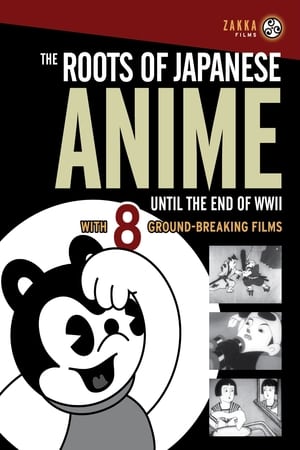
A rare glimpse of early Japanese sound anime and prewar Japanese culture, The Roots of Japanese Anime features the masterworks of such pioneers of Japanese animation as Noburo Ofuji, Yasuji Murata, and Kenzo Masaoka, in addition to Mitsuyo Seo’s Momotaro’s Sea Eagle, the notorious war cartoon billed as Japan’s first feature anime. These movies represent the brilliance and variety of anime, ranging from beautiful Japanese paper animation to powerful multiplane cel cartoons. They also evoke the fascinating complexity of Japan, a nation that is then both marching towards war, enlisting kids in militarist nationalism, yet also delighting in a mixture of modern popular culture, ancient folk tales, irreverent comedy, and the everyday life of prewar Japanese children.
Short cartoon made for US military soldiers during World War Two.
In a mix of 2D animation and live action, through their voices and acting, two actresses recount the lives of imprisoned women that opposed the Russian Regime and their emotional stories of suffering and anguish.
君の十字架
A completely hand-made historical micro-epic about the final minutes in the life of Winnipeg's doomed Second World War hero, Andrew Mynarski (1916-1944). Combining wartime aviation melodrama with classical and avant-garde animation techniques (including stop-motion, silhouettes, bleaching, scratching, hand-painting and rubbing letratone patterns directly on the celluloid) Mynarski Death Plummet is a psychedelic photo-chemical war picture on the theme of self-sacrifice, immortality and jellyfish.
Once upon a time, a poor woodcutter and his wife lived in a great forest. Cold, hunger, poverty, and a war raging all around them meant their lives were very hard. One day, the woodcutter's wife rescues a baby. A baby girl thrown from one of the many trains that constantly pass through the forest. This baby, this "most precious of cargoes", will transform the lives of the poor woodcutter's wife and her husband, as well as those whose paths the child will cross—including the man who threw her from the train. And some will try to protect her, whatever the cost. Their story will reveal the worst and the best in the hearts of men.
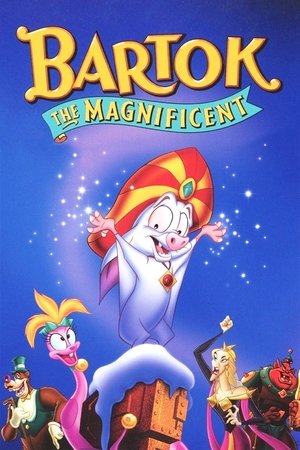
Albino bat Bartok – former sidekick to the wicked Grigori Rasputin – ventures to prove his true worth on a new quest to defeat the legendary Russian witch Baba Yaga.
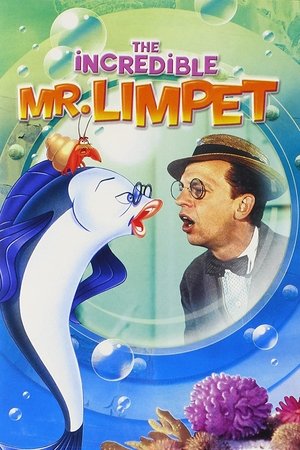
Milquetoast Henry Limpet experiences his fondest wish and is transformed into a fish. As a talking fish he assists the US Navy in hunting German submarines during World War II.
Despite the bombs which he suffers from at the war front, war correspondent, Col. Heeza Liar succeeds to foil the enemy lines.
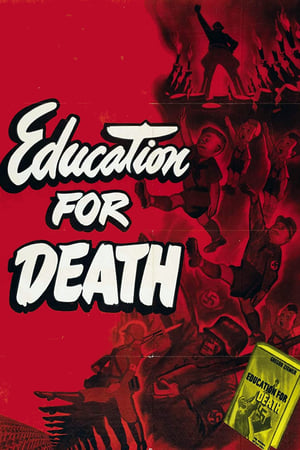
A propaganda film during World War II about a boy who grows up to become a Nazi soldier.
The Sailor and the Seagull was released by the U.S. Navy in 1949 with a simple goal: encouraging servicemen to re-enlist. In the film, a disgruntled sailor named McGinty complains about the raw deal he believes he is receiving by serving in the Navy. As luck would have it, a seagull comes to release him from service so that he can experience the freedom of civilian life. McGinty soon learns, however, that civilian life means less freedom and less money than he had imagined and quickly jumps at the chance to re-enlist. (cont. http://blogs.archives.gov/unwritten-record/2013/09/26/sailor-and-the-seagull/)