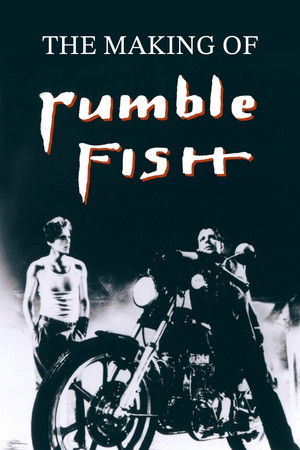
An informative archival behind-the-scenes featurette of "Rumble Fish", featuring raw footage from the pre-production process. Also included are short comments by Francis Ford Coppola, various members of his team, and some of the principal actors.
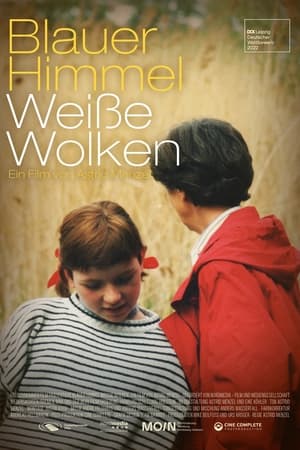
Grandma has become a little doddery. And since the death of her husband, called E.O., ever bigger gaps have opened in her memory, and her disorientation has increased. Director Astrid Menzel makes a decision: to take a ten-day canoe trip on northern German waters with her brother and the 86-year-old lady. An adventure whose outcome is uncertain and which the three travellers have to face anew at every stage.
A documentary that focuses on the effects that alcohol has on someone's honesty, performativity and behaviour; Anyone's candid and composed exterior could just be a façade hiding their true selves.
Era Locadora
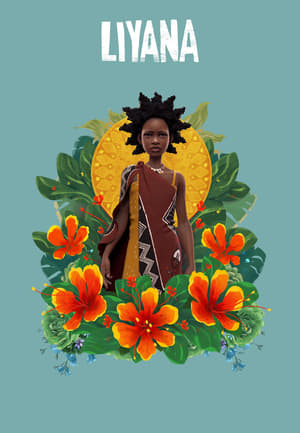
A talented group of orphaned children in Swaziland create a fictional heroine and send her on a dangerous quest.
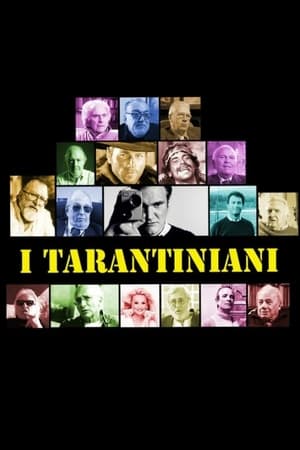
Tarantino reveres them, and for good reason. Welcome to the world of the kings of the Italian B-Movie.
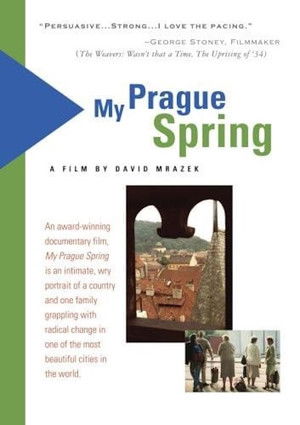
In its "velvet revolution" of 1989, the people of Czechoslovakia toppled its communist dictatorship and embraced democracy and capitalism. By January 1993, the country had peacefully split in two. In the early 1990s, thousands of American college graduates began flocking to Prague, where they could postpone entering the "real world," and live cheaply in a beautiful undiscovered European city. Throughout that decade more and more tourists crossed the statue-lined Charles Bridge in search of old world beauty previously hidden by communist isolation. But what of the people who cross the Charles Bridge on their way to work every morning? Who are the Czechs? What is their history? What is their future? My Prague Spring is an award-winning film that vividly humanizes a resilient people who have survived a tumultuous history. In the spring of 1990, a Czech-American filmmaker spent four months living with his Czech relatives, and opened an intimate window into an uncertain world.
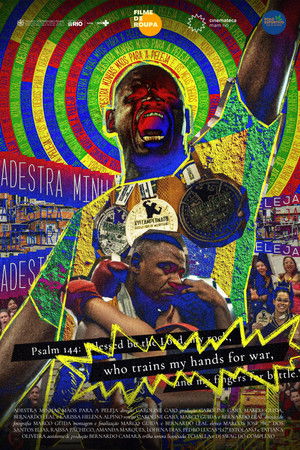
Founding a social Muay Thai project in the North Zone of Rio de Janeiro, Mestre BG and his competitors face the adversities of an underfunded project and fight to win their place on the podium. The challenges intensify when one of the students, Raíssa Pacheco, secures a spot to compete in a South American championship in Uruguay.
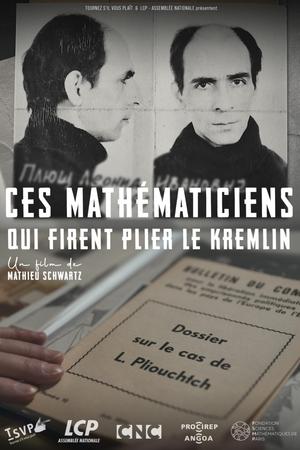
On January 15, 1972, Leonid Pliouchtch, a Ukrainian mathematician who was unknown at the time, was locked up in a Soviet psychiatric institution and accused of dissidence. His wife, Tatiana, fought for his defense and contacted a committee of French mathematicians to help him. Led by Laurent Schwartz, they launched a three-year campaign to secure his release and succeeded in getting the USSR to back down on the issue.
This movie captures the motivations of an animal rights activist. Through his eyes, we explore the paradoxes in our society --- of being an animal lover and yet consuming some of them --- stemming from social conditioning and cognitive dissonance. The protagonist describes his journey and his motives and beliefs. Through this film, he tells us the real story behind the happy facade of our food choices and the difficulty and incessant obstruction faced by activists to stand against the unjust and powerful system.
Mais Uma Hora
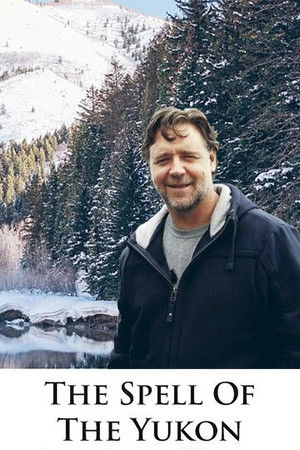
This documentary tells the haunting story of the Klondike Gold Rush in legendary Dawson City. Peppered with Robert Service poems read by New Zealand-born Hollywood actor Russell Crowe, the film recounts how stampedes of fortune seekers came to the Yukon from far and wide in 1897. Less than half of the 100,000 adventurers ever finished the treacherous journey. Archival photographs re-create the saga of the Klondike, including stories from the deadly Chilkoot Pass and Dawson City itself, where fortunes were made and lost overnight. With a personal stake and a sense of wonder, filmmaker Rita Roy discovers a territory still vibrant with legends, and miners still panning for gold under the spell of the harsh yet stunning wilderness.
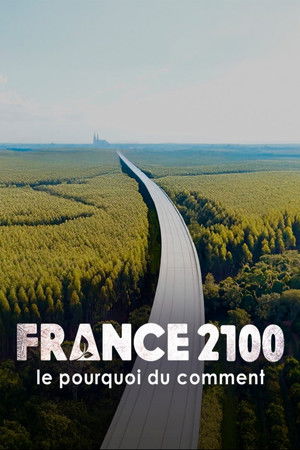
France 2100, le pourquoi du comment
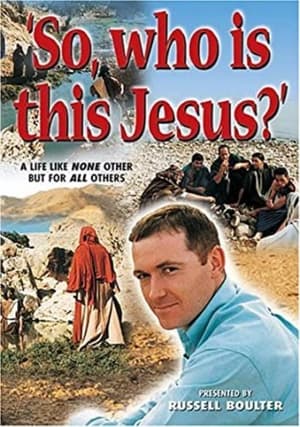
This program has been designed specifically to help people with no previous knowledge of Jesus to have a better understanding of who He is.
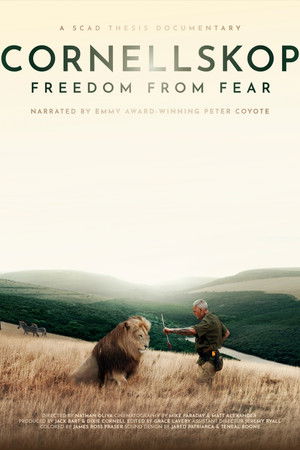
At a South African sanctuary, Luke Cornell provides a second chance for wildlife, confronting the harsh realities of poaching while revealing the deep emotional bond between the animals and those dedicated to their care.
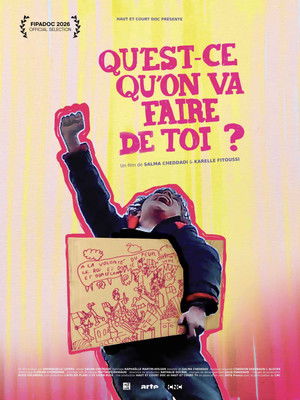
Between playing, colouring in and singing, children in a Paris primary school learn about the impact of political decisions on their everyday lives and their future. The documentary sheds light on the future of the education system.
Outtakes, commentary from Zefier's third film: Jo; or The Act of Riding a Bike.
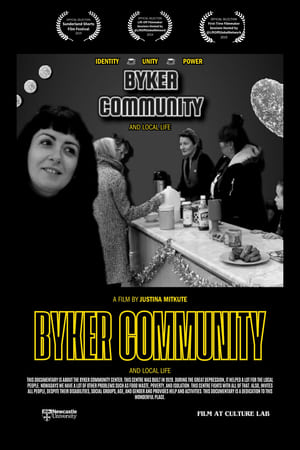
This documentary is about the Byker Community Centre. This centre was built in 1928. During the great depression, it helped a lot for the local people. In modern days, we have plenty of other problems, such as food waste, poverty, and isolation. This centre fights with all of that. Also, it invites all people, despite their disabilities, social groups, age, and gender and provides help and activities. This place is magical and hospitable.
A deep dive documentary into the history of "Who Framed Roger Rabbit" from the original version that was cancelled to the production problems of the one that came to be and the fascinating production stories of one of the most ambitious films ever made.
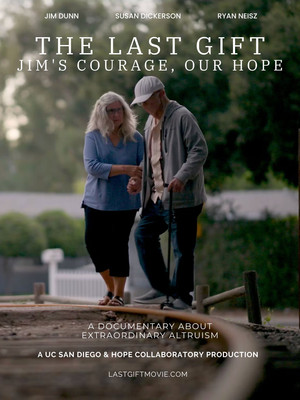
The Last Gift: Jim’s Courage, Our Hope is a moving short documentary exploring the intersection of science, altruism, and human dignity at the end of life. The film follows Jim Dunn, a man living with HIV who chooses to participate in UC San Diego’s Last Gift Study, a pioneering research effort enabling people nearing death to donate their bodies to science immediately after passing, helping researchers uncover where HIV persists despite treatment. Through intimate conversations, reflections on mortality, and moments shared with his wife Susan, clinicians, advocates, and scientists, the film reveals Jim’s profound desire to contribute to a future free of HIV. With honesty and grace, it captures the emotional complexity of end-of-life decisions and the extraordinary courage behind them. Jim’s legacy reminds us that scientific progress is built not only on data, but on human generosity, relationships, and hope.