Varanasi is the Indian city where Hindus go to die. Stretching along the Ganges, Varanasi holds great spiritual significance because Hindu scriptutres say that anyone who dies there will attain moksha—liberation from the cycle of rebirth. Berlin-based director Dan Braga Ulvestad captures life and death in India’s heartland in this moving documentary filled with exquisite cinematic moments. By the River starts its narrative journey with the city’s “death hotels,” dedicated apartments where people wait to die, sometimes for decades, so they can be cremated on the banks of the Ganges.
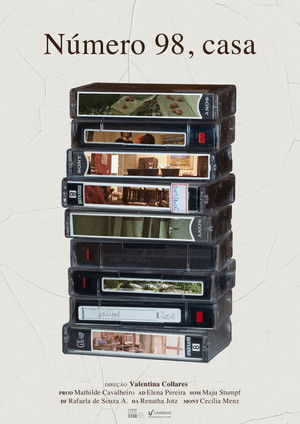
Número 98, casa
A harrowing exploration of the rapid rise of American religious fanaticism after 9/11. This film explores an emerging ultra Right Wing mass movement seeking dominion over all aspects of contemporary American society. The film weaves archival video, contemporary Christian Nationalist movement propaganda (recruiting videos, apocalyptic/military videogame imagery, etc.) and original investigative material) to create an intense examination of the totalistic mindset and its will to power.
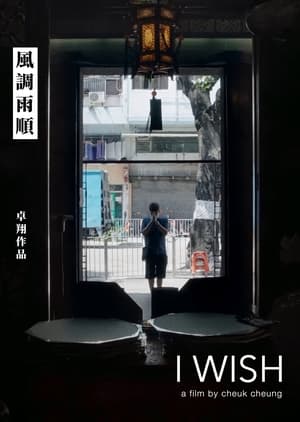
Hong Kong started and flourished as a fishing port in the past, and its people have long been committed to worshipping ancient deities for their blessings. With over a hundred Tin Hau temples (Goddess of Sea) in Hong Kong, there are three on Lamma Island alone, located respectively in Sok Kwu Wan, Luk Chau and Yung Shue Wan. The film documents the states of Tin Hau temples on the island and beyond, as an attempt to contextualise the everyday practice of the fishing community, islanders and city dwellers visiting the temples.
In a world losing itself to screens, teenage mystic Carlo Acutis saw beyond our social media-addicted society and offered an answer—if we’re willing to listen. Carlo Acutis: Roadmap to Reality explores the life of the first millennial saint while following teens on a phone-free pilgrimage to his tomb, immersing them in his story, his passion for Christ, and a search for meaning in a digital age.
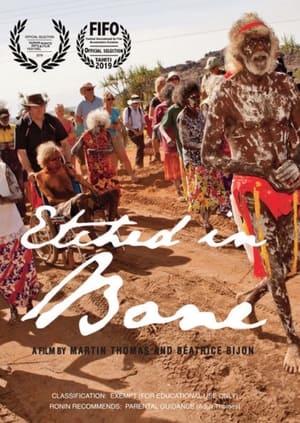
Drawing on original footage from National Geographic, Etched in Bone explores the impact of one notorious bone theft by a member of the 1948 American-Australian Scientific Expedition to Arnhem Land. Hundred of bones were stolen and deposited in the Smithsonian Institution in Washington DC, until it became known to Arnhem elders in the late 1990s. The return of the sacred artefacts was called for, resulting in a tense standoff between indigenous tribespeople and the Department of Anthropology at the Smithsonian.
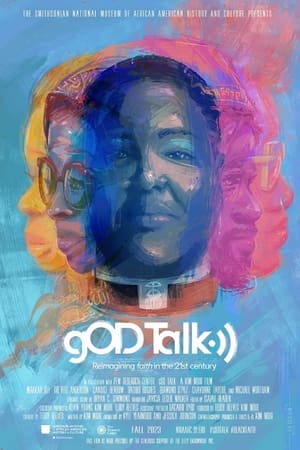
Explores the lives of seven Black Millennials – Atheist, Buddhist, Christians, Muslim, Ifa, and Spiritualist – and the challenges and discoveries with faith and spirituality.
An intimate portrait of a family coming to terms with decades of institutional abuse and the impact it has had and is still having on their lives.
Follows the stories of three young children who preach the word of the Lord.
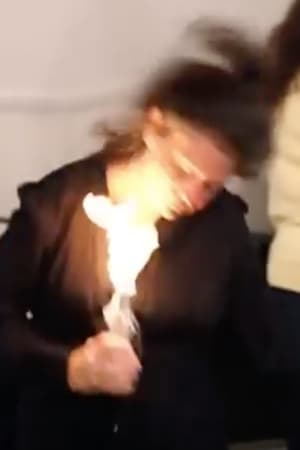
They call it religion. It's been branded a cult. The lethal handling of serpents. In the name of God. Immolation, speaking in tongues, ecstasy, self injury and the dangerous snakes. The bible belt of the very South. Backyard churches. In West Virginia, Kentucky and Tennessee. Appalachia.
Exodus
God's Tackle Box examines the strangely compatible mixture of pro wrestling and evangelical Christianity as it follows a group of aspiring and former pro wrestlers who unite to minister the word of God from the ring.
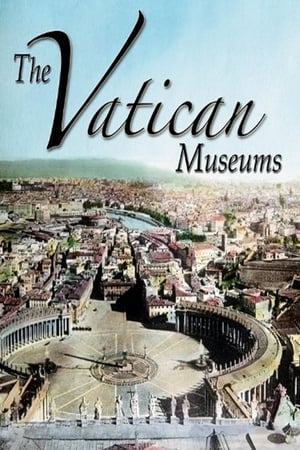
Originally produced in 1997 on the threshold of the Third Millennium of the Christian Era, and in celebration of the Jubilee of the Year of Our Lord 2000, The Vatican Museums was the culmination of three years of research and filming, the collaboration of thirty-two scholars and historians from around the world, a crew of forty directors of photography, operators, and lighting technicians, state-of-the-art digital cinematography, lighting, animation, and computerized editing, and the work of a famous composer with original performances by master musicians. Now available on DVD for the first time, this historic three-disc collection features seven hours of magnificent documentary film that illuminates and chronicles the great journey of the human spirit. Here then is the world's most spectacular and sacred repository of art, history, and faith.
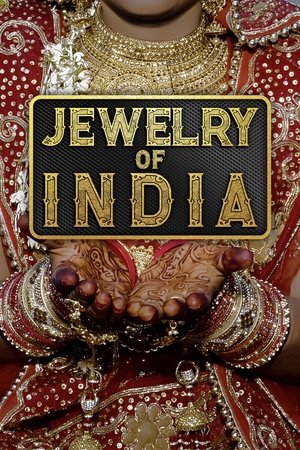
Mother India is home to many castes, tribes and religions and one common factor that brings this diverse country all together is Jewelry. Come explore the deep history and culture of the jewelry of India dating back more than 5000 years. As we explore the history we also take you into Bangalore, India and talk to local Jewelry Stores and Jewelry Artisans as they share their stories and their family history of their involvement in jewelry going far back into their family ancestry.
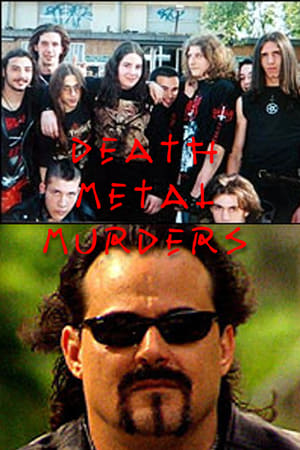
Murder, rape, satanism and necrophilia is the staple diet of millions of teenagers who listen to the lyrics of extreme heavy metal music. This World investigates the potential links between "death metal" and a series of gruesome crimes around the world. In Italy a group of young death metal fans formed a satanic cult called the Beasts of Satan. At least four gruesome killings resulted. But death metal musicians deny that they have any responsibility for the actions of people who profess to be their fans. With exclusive access to the families, one of the killers and graphic police footage, the film tells the inside story for the first time. We hear from the musicians, the children and the parents from Oslo to California and ask just how far can music go in its ability to shock, and just how damaging might it be?
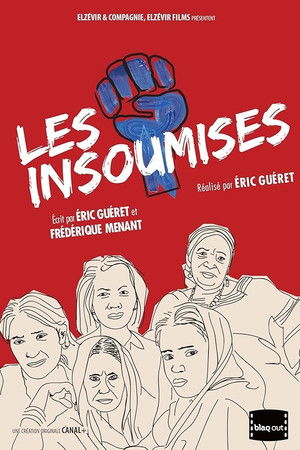
Les Insoumises
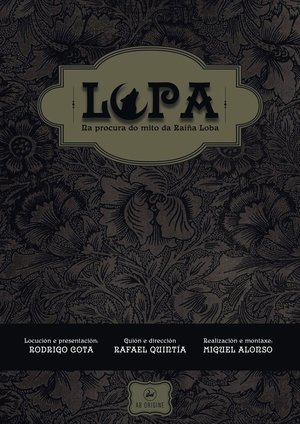
Lupa: Na procura do mito da Raíña Loba
Released in 1796 posthumously, The Nun, a novel that Diderot did not dream of publishing during his lifetime, as he knew it to be revolutionary, caused the same explosion in the 19th century France as in that of the 1960s, when Jacques Rivette decided to adapt it, with Anna Karina in the title role. “This film is banned and it will remain so!” said the General de Gaulle. Exploration of an indictment of incredible modernity which, through the tragedy of the young Suzanne, locked up in the convent against her will, denounces the inequity of a society denying women all moral, political and sexual freedom.
Ano Ravenia, a mountain village in Greece, young men leave to find work, learn a trade or serve in the Army while a young woman may leave her father's house only to enter that of her husband. The unmarried girls remain in the village amoung the elderly folk, meeting together to embroider their trousseaus and chat. In a rural Greek community, it is not the role of women to express their point of view in public. The film allows the spectator to sit in one of these casual sewing sessions where the girls talk about their wishes and problems, most of which revolve around marriages that will change their lives.
Thanassakis, a 13-year-old boy, is staying with his grandparents in the Greek village of Ano Ravenia, while his parents stay with his younger brother in Zurich, Switzerland. It was filmed during three periods: winter in the village, summer in the village (while his parents, as most migrants, come back for the holidays), and Christmas in Zurich when the grandfather and the young boy visit their family. Who is most important to the young boy - his father or grandfather?