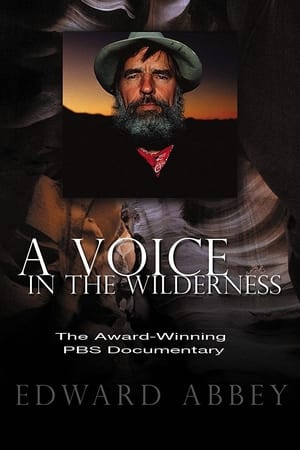
When Edward Abbey died in 1989 at the age of sixty-two, the American West lost one of its most eloquent and passionate advocates. Through his novels, essays, letters and speeches, Edward Abbey consistently voiced the belief that the West was in danger of being developed to death, and that the only solution lay in the preservation of wilderness. Abbey authored twenty-one books in his lifetime, including Desert Solitaire, The Monkey Wrench Gang, The Brave Cowboy, and The Fool's Progress. His comic novel The Monkey Wrench Gang helped inspire a whole generation of environmental activism. A writer in the mold of Twain and Thoreau, Abbey was a larger-than-life figure as big as the West itself.
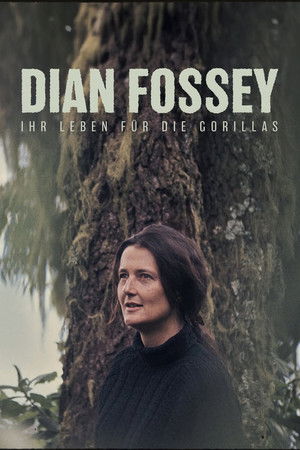
She was the first to study gorillas in their natural environment: the high mountains of Rwanda, where she settled in 1967. For nearly twenty years, Dian Fossey lived with the gorillas, observed their behavior, and changed the way people viewed them. Her relentless fight against poaching prevented the species from becoming extinct. But in December 1985, the primatologist was murdered, and the mystery surrounding her death remains unsolved. Former colleagues, scientists, and biographers shed light on the impact of her work, but also on the darker sides of her personality and her uncompromising commitment.
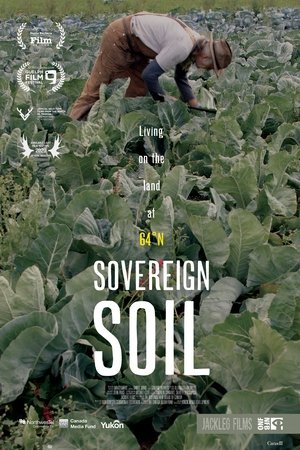
Built on a layer of frozen earth, Dawson City, Yukon, Canada has subarctic winters where temperatures routinely drop below −40°C. Meet the four season food producers who engage in small-scale agriculture, and those who support their back-to-the-land movement. These resilient unassuming farmers have carved out small patches of fertile soil, in an otherwise unforgiving expanse of isolated wilderness, to make a living and a life.
An examination of our dietary choices and the food we put in our bodies.
Activist/author Edward Abbey's legacy lives on in his best-selling books and now in director ML Lincoln's lively documentary. Lincoln pays tribute to Abbey and the environmental movement he inspired, reenacting his "monkeywrenching," and interviewing notable eco-warriors and present-day activists.
In Quebec, the lakes we love and take for granted are quickly perishing, as highlighted by the proliferation of aquatic plants and algae in our water bodies. With images of lakes and dozens of interviews, the documentary points the finger at those responsible for this decline.
"Go Further" explores the idea that the single individual is the key to large-scale transformational change. The film follows actor Woody Harrelson as he takes a small group of friends on a bio-fueled bus-ride down the Pacific Coast Highway. Their goal? To show the people they encounter that there are viable alternatives.
A documentary on Paul Watson, who takes the law into his own hands on the open seas, confronting, by any nonviolent means necessary, the hunters who indiscriminately slaughter whales, seals and sharks, along with complicit governments and environmental organizations. Written by Anonymous "Pirate for the Sea" is a biographical film of Captain Paul Watson, the youngest founding member of Greenpeace Canada. He organized early campaigns protesting the killing of seals, whales, and dolphins. Greenpeace ejected him for being too much of an activist. Starting his own organization, the Sea Shepherd Conservation Society, he went on to sink illegal whaling ships, stopped Canadian seal hunts for ten years, permanently halted sealing in British Isles, killing of dolphins on Iki Island, Japan, etc. This documentary witnesses his latest campaigns and explores the personal and environmental history of this controversial marine conservationist. Written by R.C.
Documentary about a woman who wants to reinvest her Shell stock for a better future.
Standing Rock, 2016: the largest Native American occupation since Wounded Knee, thousands of activists, environmentalists, and militarized police descend on the Dakota Access Pipeline, in a standoff between Big Oil and a new generation of native warriors. Embedded in the movement, native activist and filmmaker Cody Lucich chronicles the sweeping struggle in stunning clarity, as the forces battle through summer to bitter winter, capturing the spirit and havoc of an uprising. From the initial gathering days on the Standing Rock reservation, the movement grew to thousands of water protectors, living in a protest camp and resisting construction of the Dakota Access Pipeline. Akicita focuses on the voices of young Native warriors who stepped up to lead the charge, expressing the beats of the movement from every front—confrontations with the police, the vibrant daily customs of the camp, and more. Through the eyes of the young Native protesters, the struggle feels deeply personal.
"Black Diamonds: Mountaintop Removal and the Fight for Coalfield Justice" is an award-winning feature documentary exploring radical community resistance to the explosive rise of mountaintop removal coal mines in Appalachian states.
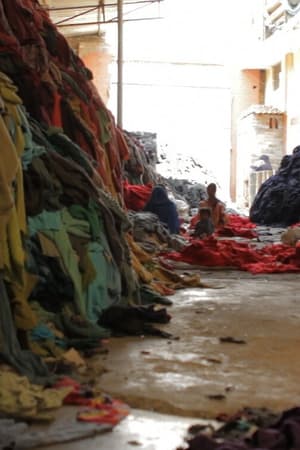
Unravel follows the Western worlds least wanted clothes, on a journey across Northern India, from sea to industrial interior. They get sent to Panipat, a sleepy town and the only place in the world that wants them, recycling them back into yarn. Reshma is a bright, inquisitive woman working in a textile recycling factory in small time India, who dreams of travelling the vast distances the clothes she handles have. While Reshma shows us how these garments get transformed, she and other women workers reflect on these clothes. Despite limited exposure to western culture, they construct a picture of how the West is, using both their imagination and the rumours that travel with the cast-offs.
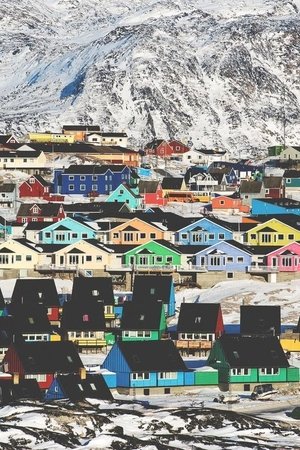
"Melting Lives - Victims of the New Weather" is a six-part documentary series in which the viewers meet people in the Arctic region who live close to and depend on nature for survival, and who struggle to maintain their way of life. Their tales are being heard and testimonies about how life is changing as the world gets ever warmer. The host, Samuel Idivuoma, is from northern Sweden. He visits Inuits on Greenland and in Alaska, aboriginal people in Canada and Nenets from the Siberian tundra in Russia
Brechó Brasil
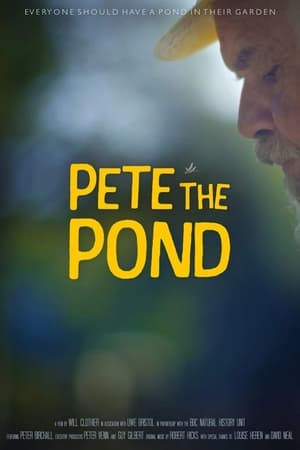
Pete the Pond has spent the last 20 years trying to return Britain's aquatic wildlife to its former glory. Despite his best efforts, the abundance of creatures he remembers from his childhood are quickly disappearing. As he sets out to build yet another wildlife pond in a British garden, a letter from his local council threatens to destroy his life's work.
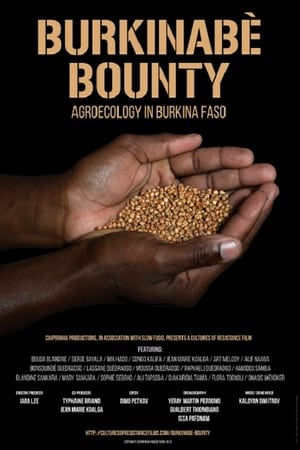
This documentary chronicles agricultural resistance and the fight for food sovereignty in Burkina Faso – a small, landlocked country in West Africa. Showcasing activist farmers, students, artists and leaders in the local Slow Food movement, the film looks at how the Burkinabé people are reclaiming their land and defending their traditions against the encroachment of corporate agribusiness. From women gaining economic independence by selling artisanal “dolo” beer, to youth marching in the streets against companies like Monsanto, to hip-hop musicians setting up their own farms and reviving the revolutionary spirit of Thomas Sankara through their music, Burkinabè Bounty shows the creative tactics people are using to take back control of their food, seeds, and future.
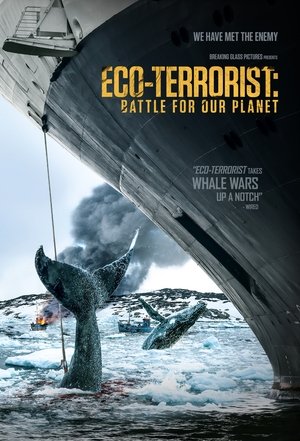
Eco-Terrorist: The Battle for Our Planet follows the most wanted environmentalist today, Captain Paul Watson. In this unique and groundbreaking film, Brown takes a deeper look into what really goes on behind the scenes in the deep waters of our world. More pranks, the glory of successful missions, and fiercer encounters with some of the most infamous and illegal marine hunters, while stopping at nothing to protect wildlife on a global scale. The film takes the audience right to the frontlines of the modern day environmental movement via those who started it.
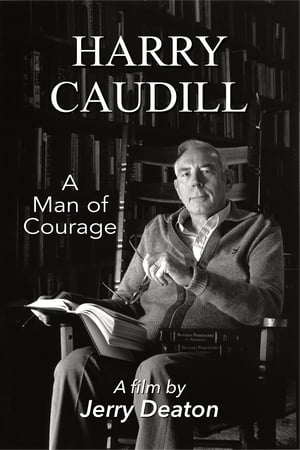
One of the most important Kentuckians of the 20th century, Harry Caudill brought the story of Appalachia to national attention when his book “Night Comes to the Cumberlands” was released in 1963. The nonfiction account of Eastern Kentucky’s coal region, part history and part polemic, eloquently recounted the exploitation of Appalachia’s land and its people by business and government interests, and made Caudill a national spokesperson for his homeland. Harry Caudill spent his life advocating for Eastern Kentucky, with the aim of helping the powerless as well as securing the region’s unmatched natural resources for future generations. His work led to lasting government reforms for Appalachia, and his legacy remains a touchstone for activists today.
A compilation of conferences/debates between renowned designers, environmental activists, and students on the concept of design. Held in Aspen, Colorado, USA.
Frackman tells the story of accidental activist Dayne Pratzky and his struggle against international gas companies. Australia will soon become the world's biggest gas exporter as more than 30,000 'fracked' wells are sunk in the state of Queensland where Dayne lives. He and his neighbours have unwittingly become the centre of a massive industrial landscape and they have no legal right to stop mining on their land. Dayne embarks on a journey that transforms him from conservative pig-shooter to sophisticated global activist as the Frackman. He meets the people drawn into a battle that is crossing the ideological divide, bringing together a peculiar alliance of farmers, activists and political conservatives. Along the way Dayne encounters love, tragedy and triumph.