L’últim gegant d'Europa
The Doku follows the snow owls quest to survive winter. The animals travel from up north to central Europe and back. During their travels they‘ve developed plenty of strategies to make it through the harsh climates they encounter.
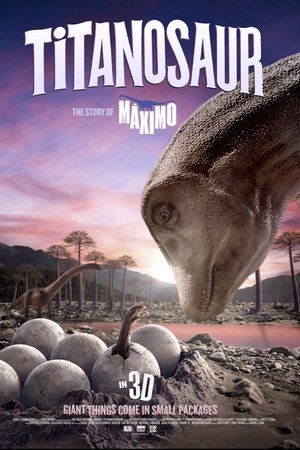
Titanosaur 3D uses vividly photorealistic animation to imagine what these long-necked sauropods looked like and how they moved, ate, and interacted. Travel back over 100 million years to get a glimpse of their Cretaceous environment and follow a titanosaur’s life from egg to towering titan.
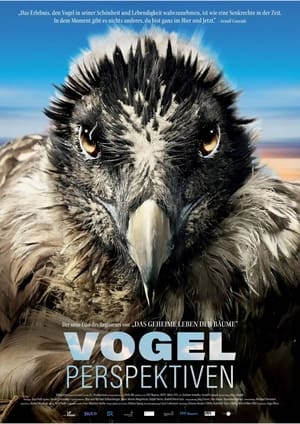
Director Jörg Adolph accompanies ornithologist Dr. Norbert Schäffer, chairman of the Bavarian Society for the Protection of Birds (LBV), on his mission to save bird life. We embark on an emotional and diverse journey of discovery into the fascinating world of birds and experience species and nature conservation in action.
To show the habitat, life cycle and typical activities of the Barn Swallow.
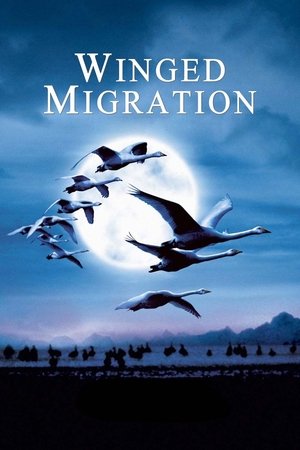
Why do migratory birds take on the hardships of a long flight year after year? The documentary accompanies migratory birds with breathtaking aerial images of their journeys from a "bird's eye view" in the service of science. The camera helicopter crosses the dangerous Strait of Gibraltar together with storks and accompanies them in the air all the way to Tanzania and Kenya.
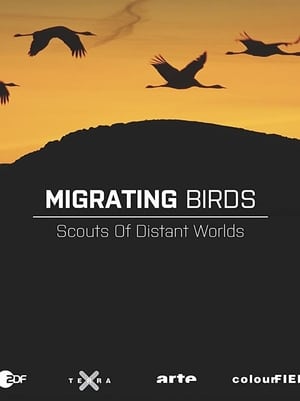
This documentary follows various migratory bird species on their long journeys from their summer homes to the equator and back, covering thousands of miles and navigating by the stars. These arduous treks are crucial for survival, seeking hospitable climates and food sources. Birds face numerous challenges, including crossing oceans and evading predators, illness, and injury. Although migrations are undertaken as a community, birds disperse into family units once they reach their destinations, and every continent is affected by these migrations, hosting migratory bird species at least part of the year.
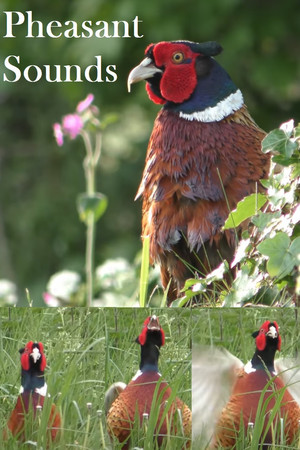
The Common Ring-Necked Pheasants of Cornwall erupt into a medley of sonic sensations.
A disaster truck, which is equipped to meet practically any emergency that arises in the community; In Oklahoma a breeder of under-slung cattle, making possible smaller grazing areas for milk herds; a deburping machine, of all things.
Behind-the-scenes documentary about the making of director Steven Spielberg's 1997 film "The Lost World."
Dinosaurs Vs. Apes: DINOSAUR MOVIES and HOLLYWOOD GOES APE! have been hailed as the definitive documentaries on the prehistoric and anthropoid creatures that have appeared on the silver screen. Filled with rare movie clips, behind-the-scenes footage and interviews.
A key piece of the Paluxy Human Track narrative that swept the country's creation-evolution dialogue in the 1970s and 1980s and cemented the claims that dinosaur and human track ways were preserved in the Paluxy River in the public sphere. Originally release in January 1973, the film was considered lost media by the 1980's but a 16mm cut of the film resurfaced in 2023.
A supercut of the five part YouTube miniseries The Great Dyings. Content creator Angel of Death explores the five mass extinctions and the effects they had on life on Earth.
Portrait of Hermann Heinzel.
National Press Club hears a speech from Alfred Hitchcock.
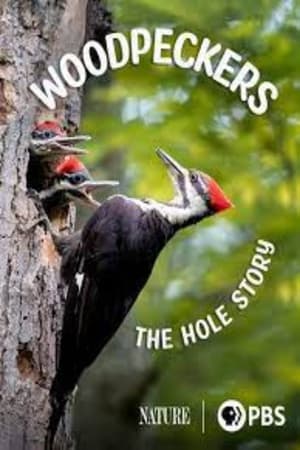
Go deep into the woods to explore the lives of a unique avian family. Woodpeckers come in 239 species and live on every continent except Antarctica and Australia, playing a powerful role in every ecosystem they inhabit. They come in all shapes and sizes, each uniquely engineered for their particular lifestyles.
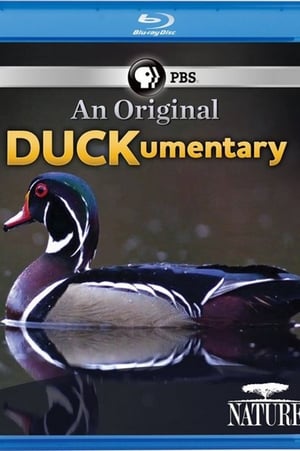
Ducks are true originals. There are more than 120 different species of ducks in all, a fantastical group of complex characters. Ducks have a talent for survival, and life stories filled with personality and charm. Each bird is more fun than the last, and will leave you wanting more.
Finland’s first nature documentary. The filmmakers’ expedition leads them all the way to the Åland Islands and the Karelian Isthmus.
Dive into the fascinating tale of a woman raised in a cult, whose journey of healing through teaching her parrot to read reshapes our understanding of interspecies communication.
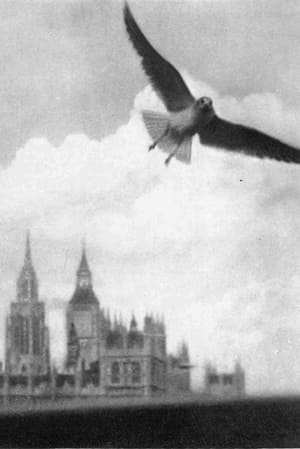
The film takes us to the North of England to follow the migration of the black-headed gull down to London. There, the narrator asks viewers to "listen to their gossip", before demonstrating the bird’s flight in slow motion. We see a polecat feasting on gull eggs, and then a man collecting the eggs for human consumption, with the film telling us that they are considered a “delicacy” in London. Indeed, according to the British Trust for Ornithology, around 300,000 gull’s eggs were sold every year in Leadenhall Market in London during the 1930s, when London Visitors was made.