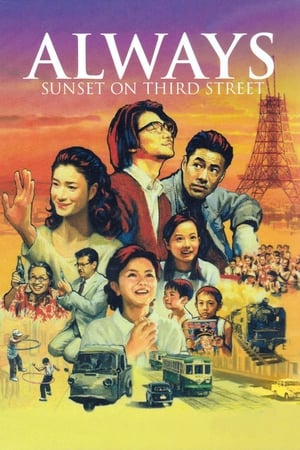
In 1958 postwar Tokyo, the residents of a humble Third Street neighbourhood struggle, dream, and grow together as rapid modernisation transforms their lives beneath the shadow of the newly rising Tokyo Tower.
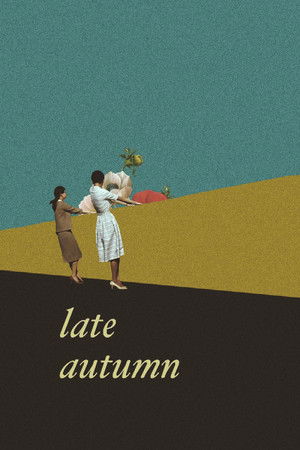
A woman and her daughter are each forced to contend with an increasing pressure to marry, particularly from three men who knew her late husband.
Shortly after moving to the suburbs, the Kobayashis start to come undone. Convinced a family curse is at the root of their erratic behavior, the man of the house takes it upon himself to course-correct before it takes the last of their sanity.
A year has passed in postwar Tokyo, and struggling writer Chagawa enters the Akutagawa Prize competition in hopes of securing a better future for the boy in his care, while the Suzuki family unexpectedly take in a new relative who looks down on their humble way of life.
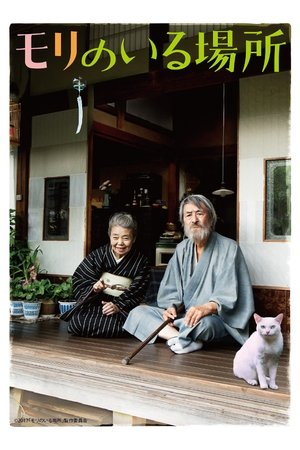
Vegetation thrives in painter Morikazu's garden, which is home to creatures that serve as models for his paintings, including numerous bugs and cats. A sweet and heartwarming day begins for Morikazu, who gazed at these garden creatures on a daily basis for over three decades, and those who love him.
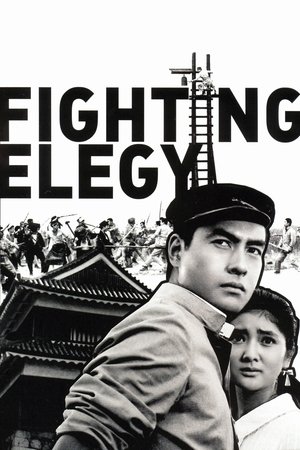
Kiroku boards with a Roman Catholic family and falls for the daughter Michiko. He ignores his feelings, joins a gang, gets in fights and, eventually, becomes involved with the radical Kita Ikki group.
Young women in a small Japanese town look to revive their home's declining fortunes by building a Hawaiian village tourist attraction.
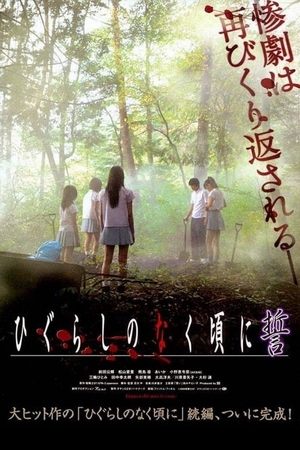
Early summer, Keiichi had just moved to a remote mountain village. As he becomes close friends with a group of girls, he was enjoying his life in the village. However when he starts to become suspicious that his friends may be deeply involved in successive murders that occur every summer, the situation around Keiichi gradually starts to turn into something more sinister.
Wataru's outwardly liberal views on marriage are severely tested when his daughter declares her love for a coworker and is adamant to live her own way, instead of agreeing to an arranged marriage. Outwitted by his female relatives, Hirayama stubbornly refuses to admit defeat.
Terajima Mikako became a boys volleyball team coach at a junior high school she has been assigned to. As an incentive for the team members who do not show the slightest enthusiasm, she promises to show them her boobs if they win a game.
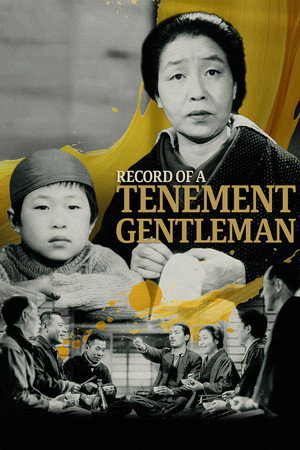
A hard-hearted old woman in a bombed-out Tokyo neighborhood reluctantly takes in an abandoned boy, leading to a heartwarming bond between them.
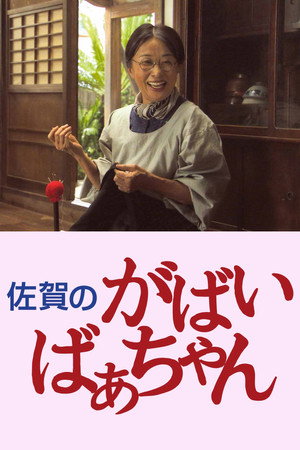
Gabai Granny is based on the bestseller Saga No Gabai Baachan (Gabai Granny from Saga), which is penned by comedian Shimada Yoshichi as he recounts his childhood memories of growing up under the care of his grandmother.
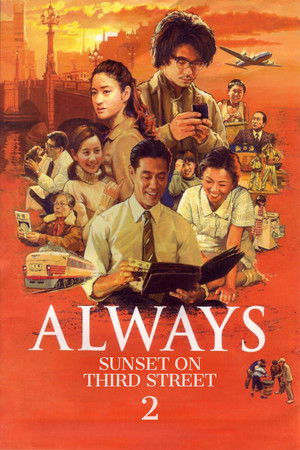
As the Tokyo Olympics usher in a wave of rapid modernisation, the residents of Third Street face new beginnings as Mutsuko becomes involved with a seemingly perfect young doctor who may not be all he appears, while Chagawa struggles with his stalled writing career and what it truly means to be a father to the boy he has raised as his own.
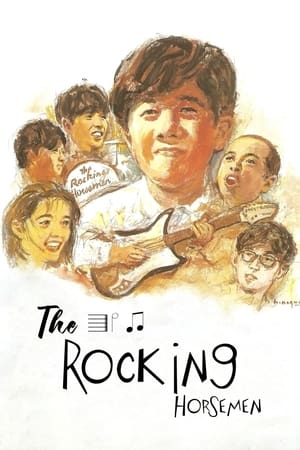
It is 1965. High-school student Takeyoshi Fujiwara hears "Pipeline" by the Ventures, and is mesmerized by their unique sound. With three friends, he forms a band called "The Rocking Horsemen." A warm and comic glimpse into high-school and small-town life in Japan in the 60's.
A young man gets thrown into detention after an episode of attempted rape. He soon meets several individuals claiming to be ministers of their own micronation…
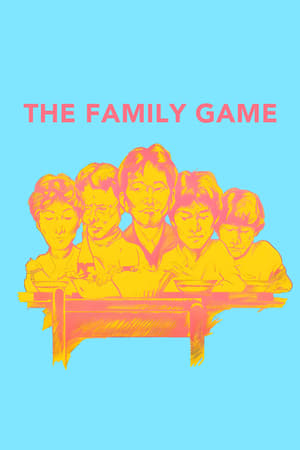
A sendup of the stereotypical Japanese family: dad is a salaryman jerk, unable to relate to anyone; mom is a hopeless housewife; the older son is a moderate academic success; but the younger son is a rebellious goof-off for whom a tutor must be hired. The tutor proceeds to blow the entire family apart.
In this offbeat coming-of-age tale, a charming, rebellious high school dropout named Kanta befriends the kind, provincial Shoji. The two bring out the best in each other, each gaining confidence from their friendship - especially regarding pursuit of the opposite sex. The working class Kanta becomes a sort of unruly anti-hero, maintaining his pride, defiance, and self-assurance even as his prospects seem increasingly grim.
Noriko is perfectly happy living at home with her widowed father, Shukichi, and has no plans to marry -- that is, until her aunt Masa convinces Shukichi that unless he marries off his 27-year-old daughter soon, she will likely remain alone for the rest of her life. When Noriko resists Masa's matchmaking, Shukichi is forced to deceive his daughter and sacrifice his own happiness to do what he believes is right.
The elderly Shukishi and his wife, Tomi, take the long journey from their small seaside village to visit their adult children in Tokyo. Their elder son, Koichi, a doctor, and their daughter, Shige, a hairdresser, don't have much time to spend with their aged parents, and so it falls to Noriko, the widow of their younger son who was killed in the war, to keep her in-laws company.
This is the sixth film in the Brutal Tales of Chivalry series