A Yokohama shoe executive faces a wrenching choice when kidnappers mistakenly seize his chauffeur’s son but demand the ransom anyway.
In an audacious reworking of the biopic, this ensemble drama sees jazz pianist Minami Hiroshi’s memoir cleverly reinterpreted into a surreal and playful story about chasing dreams, disillusionment and the inner lives of professional artists. Closer to playing two sides of the same coin than tackling a dual role, Ikematsu Sosuke embodies two versions of Minami – the naïve upstart and the jaded pro – who magically cross paths as they become entangled with a cast of colourful characters in the seedy alleyways and jazz clubs of Ginza over a single night.
A sweet and melancholy story that depicts, with beautiful sentimentality, the day when a dreamy and lovely young girl first discovers love in the twilight of Tokyo Tower.
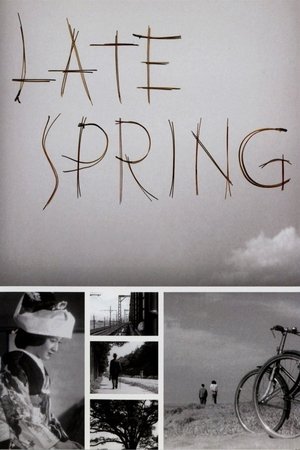
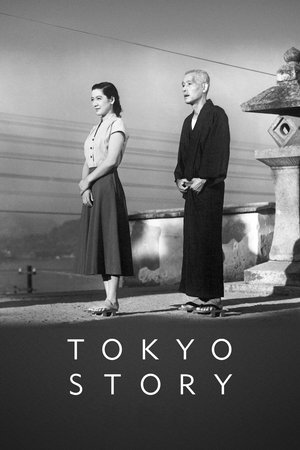
The elderly Shukishi and his wife, Tomi, take the long journey from their small seaside village to visit their adult children in Tokyo. Their elder son, Koichi, a doctor, and their daughter, Shige, a hairdresser, don't have much time to spend with their aged parents, and so it falls to Noriko, the widow of their younger son who was killed in the war, to keep her in-laws company.
Komari Sano's parents ran a small Tokyo factory that manufactured aircraft parts. With her parents' influence, Komari Sano dreamed of becoming a pilot. During World War II, her older brother died as a kamikaze pilot and her parents died during the bombing of Tokyo. Komari Sano became an orphan and lived with her aunt. Her aunt ran a ryotei (high end traditional restaurant). After the war, all aerial activities were initially banned in Japan. After long negotiations with the Supreme Commander of the Allied Powers, Sizuo Matsuki, who is the security chief of Civil Aviation Bureau, finally launched Japan's civil aviation. Komari Sano applies for the position of a cabin attendant.
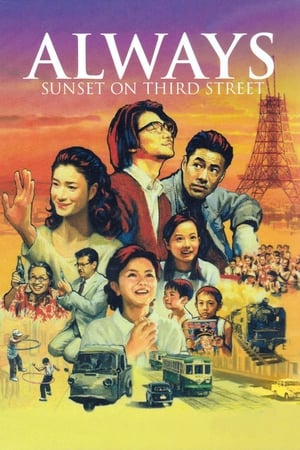
Teenage Mutsuko comes to Tokyo for work but ends up at a repair shop. She befriends the owner's family. Neighbors Hiromi, writer Chagawa with admirer Junnosuke strive alongside them in postwar Tokyo's evolution.
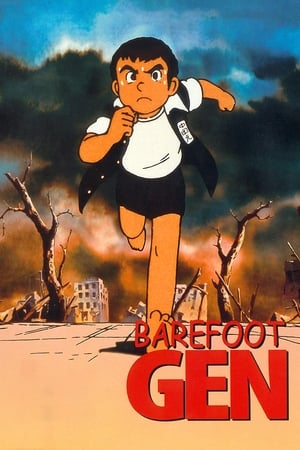
A story about the effect of the atomic bombing of Hiroshima on a boy's life and the lives of the Japanese people.
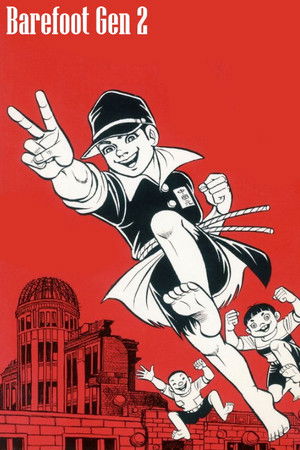
Three years after the Hiroshima bombing, a teenager helps a group of orphans to survive and find their new life.
Post-war Yokosuka, Kanagawa Prefecture. Adults who are swayed by the US military stationed in the country and swayed by US intentions cannot afford to care about children who should be protected. The war orphans, who had no choice but to survive on their own, were used to shining shoes for American soldiers, picking up cigarettes, and sometimes committing crimes. However, at some point, they came across a "cleaning" job. They work hard instead of committing crimes and earn money by being appreciated by people. The orphans begin to regain their smiles through experiences that make them feel like they should be alive. The children started to have a modest dream of "renting a house and living" with their own earnings, but they were attacked by an even harsher reality...
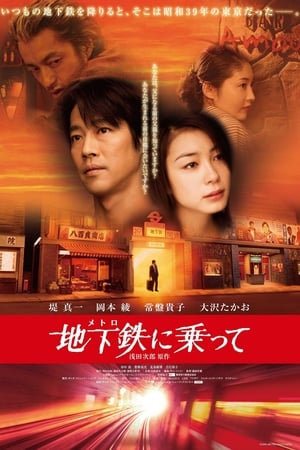
Shinji (Shinichi Tsutsumi) steps out of a train station to find himself transported back to 1964.
It is the early 1930s and the command of the Japanese Imperial Navy determines to construct the world's biggest and most formidable battleship, Yamato. One of the admirals, Yamamoto Isoroku, disagrees. He recruits the upstart and mathematics' expert Tadashi Kai who discovers there are discrepancies between the official cost estimates and the actual figures. They soon find out that they have stumbled upon a conspiracy.
A passionate telling of the story of Sada Abe, a woman whose affair with her master led to an obsessive and ultimately destructive sexual relationship.
Yasuo (Hiroshi Abe) grew up as an orphan. He married a woman he loved and they had a son Akira (later played by Takumi Kitamura). Yasuo's life seemed great at the time, but his life totally changed after his wife died in accident. Since that time, Yasuo, who never experienced parents' love himself, has to raise his son Akira alone.
A young girl named Oshin is sent to work for another family, because of her own family's financial condition. Nevertheless, the young girl lives strongly.
A Japanese intelligence officer faces personal crises in the years preceding the Manchurian conflict.
After her mother runs away from home, Tomoko is raised to be a geisha. One day Tomoko meets her mother in a red-light district in Tokyo and her life deeply gets in trouble.
A woman and her daughter are each forced to contend with an increasing pressure to marry, particularly from three men who knew her late husband.
Wataru's outwardly liberal views on marriage are severely tested when his daughter declares her love for a coworker and is adamant to live her own way, instead of agreeing to an arranged marriage. Outwitted by his female relatives, Hirayama stubbornly refuses to admit defeat.
The family of an older man who runs a small sake brewery become concerned with his finances and his health after they discover him visiting an old mistress from his youth.
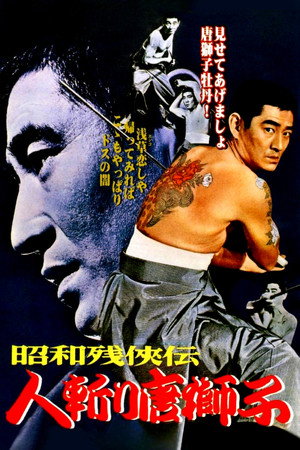
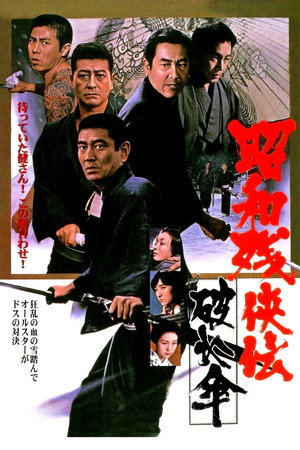
When Keiji Takama returns to Nagasaki, he finds many changes. The rights of the entertainment field that had been held by his family have been taken over by the Matsui Group, a new gangster setup. So he becomes head of the Takama Group to regain lost territory. With the cooperation of all the Bosses from Tokyo to Nagasaki, who had known his father, Keiji recovers the rights to put on shows at the City Hall. As he had feared, however, Matsui begins to interfere with his plans. Keiji's men are furious, but he knows better than to take up the cudgels with Matsui at this important time. Whatever Matsui does, Keiji goes one better. Frustrated and bitter, Matsui calls in the help of Koiwa, a killer. Now, having tried his best to oust Keiji but finding that he is made of sterner stuff than he had counted on, he decides to have Koiwa do away with him for good.