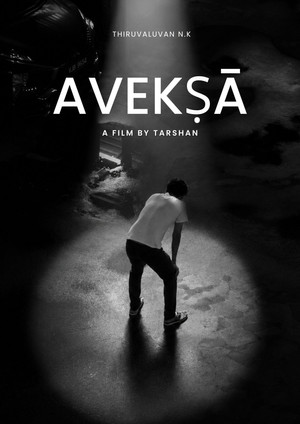
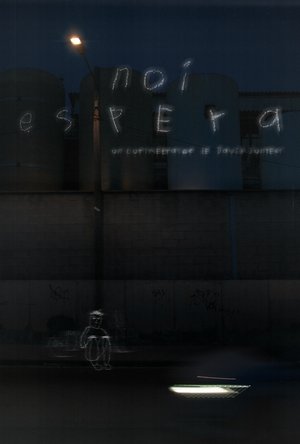
A boy waits in the same street every day with his bags packed. What is he waiting for?
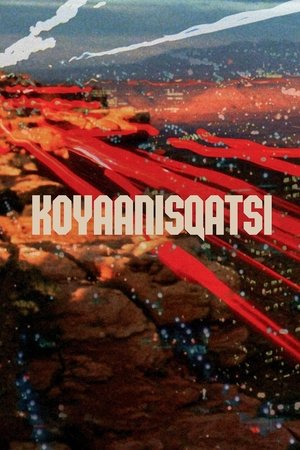
Takes us to locations all around the US and shows us the heavy toll that modern technology is having on humans and the earth. The visual tone poem contains neither dialogue nor a vocalized narration: its tone is set by the juxtaposition of images and the exceptional music by Philip Glass.
A mysterious detective appears in a desolate and dark place, with no memory of how he got there or who he is. With a cigarette in hand, he begins to explore his unfamiliar surroundings.
A troubadour is expelled from the city when the queen sees his disfigured face. The palace guards smash his instrument as punishment, but the musician does not lose his determination to continue making music.
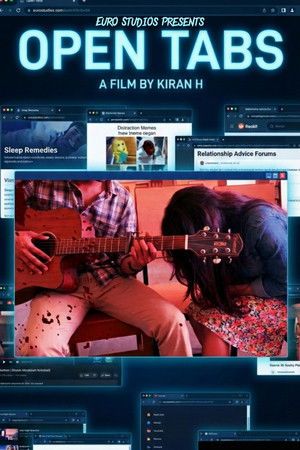
After a breakup, a sleepless young man begins closing the countless tabs open on his computer until only one memory remains.
In a leafy forest, a Galician sovereign who longs to attain wisdom meets a sorcerer, who tells him: “Go back to your country and study the Earth and the Stars in the sky; anywhere in the world reflects an image of it. You will ride on this arrow, which you must keep for a hundred years and a day. After this time, stick it in the widest valley of all those you possess, with the tip facing the sky. Then the Moon will come and, just as it exerts its action on the waters of the sea, it will act on the arrow, turning it into a holy mountain." - Legend about the Pico Sacro Inspired by Hokusai's views of Mount Fuji and Cézanne's paintings of Mont Sainte-Victoire, "Pico Sacro [The Holy Mountain]" aims to reveal the mystery and the magic that underlie reality.
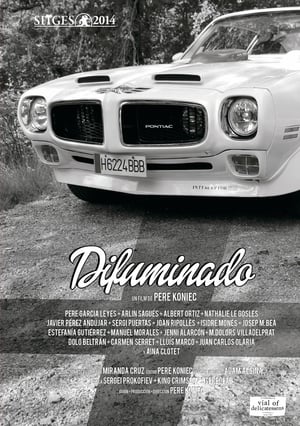
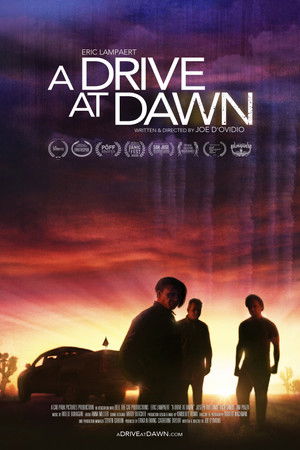
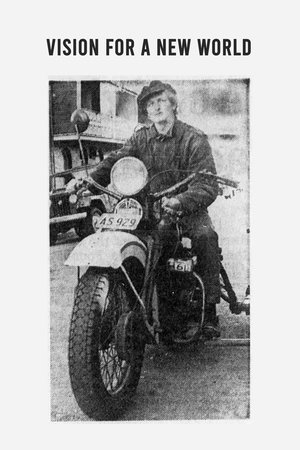
A mysterious old man and a dark past made up of classic cars, beautiful women and the excesses of his youth.
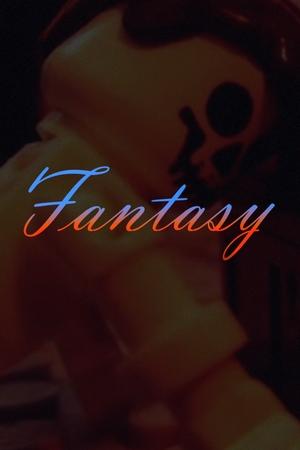
What happens when an earth-splitting disaster destroys the home world of a lone living skeleton? As long as he has his most valuable treasure, he doesn't worry about anything else. But can he hold onto his treasure in such a cataclysm?
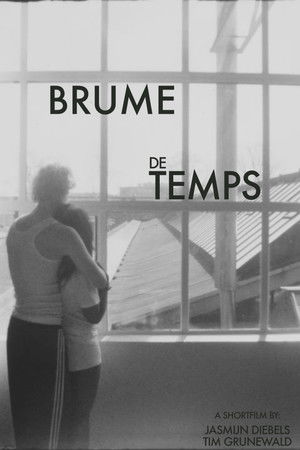
Shot on 16mm film, Brume de Temps tells a story of intimacy, nostalgia, and the fragile boundary between loving your perception of a person and love as it truly is. It unfolds as a journey through the quiet moments of a couple at ease with one another, enclosed in the bubble they have created. Their gestures are subtle, and the safe space surrounding them becomes part of their story. Without dialogue or voice-over, the story unfolds through the images, which shapes the emotions that emerge. An original musical arrangement carries the narrative, enhancing and guiding this journey. Time intrudes through clocks, calendars, and digital displays, yet each object remains blank. Can this illusion endure where reality cannot be denied?
Over the course of a restless night, a man becomes trapped in an increasingly absurd confrontation with an unseen audience.
Angels watch over an old farmer as he works to bring a tsunami-ravaged land back to life.
Kappo
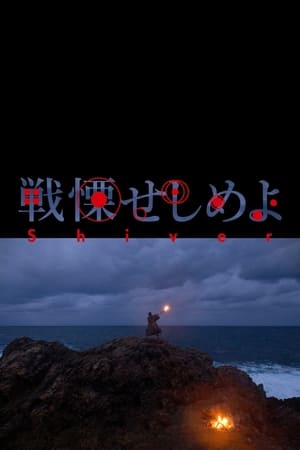
Toyoda Toshiaki went to Sado Island and filmed musician Koshiro Hino and Kodo, the local Taiko Performing Arts Ensemble, while they performed music composed especially for Shiver.
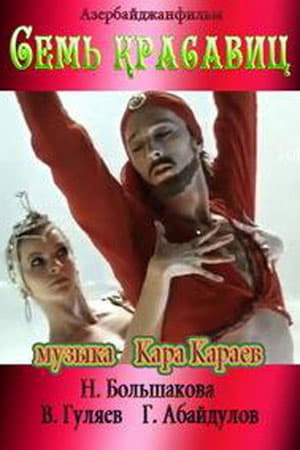
Based on the music of the famous Azerbaijani composer Kara Karayev. The ballet libretto is based on the poem “Seven Beauties” (Khamsa) by Nizami Ganjavi, created in 1197.
A young man named Phillip finds himself in a purgatory reality that's littered with clues of his past life. From the discovery of his own corpse to the mysterious connection with a woman scheduled for an abortion, Phillip slowly reveals this doomed fate by his own hands.
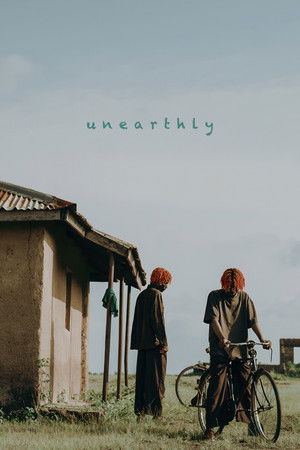
Two brothers move silently through the mundane world, carrying an unseen offering of light. As they journey from place to place, dancing and observing, subtle traces of change begin to appear, revealing how quiet presence can shift everything.
A young hare named Ferdinand is playing the harmonica before the battle. Soon the signal for attack will be given, and Ferdinand will face the terrible enemy on the battlefield.
A man feels like having a beer, but due to heavy traffic, it is not safe for him to cross the road to the pub on foot.
The story takes place in the landscapes of La Spezia, where urban and rural environments intertwine. Water plays a primary role as a form, alongside the circle (e.g., bicycle wheels, pizzas, clocks…), which sets the rhythm of the character’s life, dynamically accelerating until it becomes very fast. The overlapping forms invite the viewer into the cyclical rhythm of the short film, moving from the spinning bicycle wheel to the washing machine drum in the character’s bathroom, from a freshly tossed pizza to the delivery mailbox, and finally to a dead-end wall. Savana is a race against oneself and against others; it’s a matter of decision and unpredictability — it’s black or white.
ESPIRAL