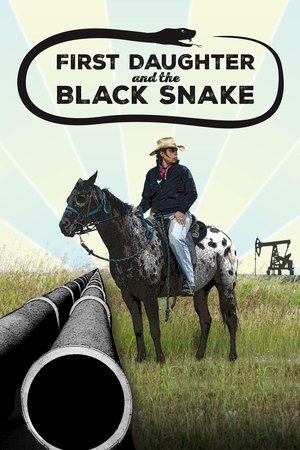
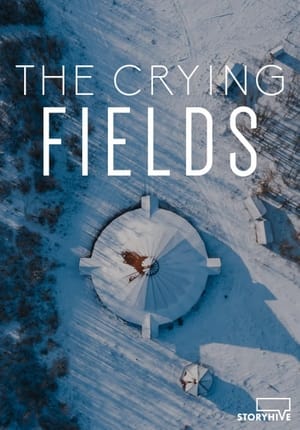
The “Prophecy of the 7th Fire” says a “black snake” will bring destruction to the earth. For Winona LaDuke, the “black snake” is oil trains and pipelines. When she learns that Canadian-owned Enbridge plans to route a new pipeline through her tribe’s 1855 Treaty land, she and her community spring into action to save the sacred wild rice lakes and preserve their traditional indigenous way of life. Launching an annual spiritual horse ride along the proposed pipeline route, speaking at community meetings and regulatory hearings. Winona testifies that the pipeline route follows one of historical and present-day trauma. The tribe participates in the pipeline permitting process, asserting their treaty rights to protect their natural resources. LaDuke joins with her tribe and others to demand that the pipelines’ impact on tribal people’s resources be considered in the permitting process.
Oil is a primary energy source in the world. Global oil consumption reached approximately 95 million barrels per day but oil fields' quality is constantly declining. A team of Russian scientists came up with more accurate, cheaper, and faster technology that can increase the oil production rate. After all, modern civilization is built in the way that 'to live well' means 'consume more oil'
First hand interviews and on the ground footage give a stirring account of The Standing Rock Sioux Nation's and water protectors' opposition to the Dakota Access Pipeline
Lee Anne Schmitt explores California's landscape and past to document the history of one-time boom towns built and abandoned by the industries that necessitated their creation. Sold as a limitless land expansive with free opportunity, California was actually, from its onset, fissured by the interwoven needs of private and public interests. Schmitt's film covers various locations through time, as the major industries of the early 20th century (mining, lumber, oil) give way to the military, eventually leading to multinational corporations, and the use of small towns as satellites for growing urban metropolises.
Enfumés, j'ai infiltré l'industrie de la vape
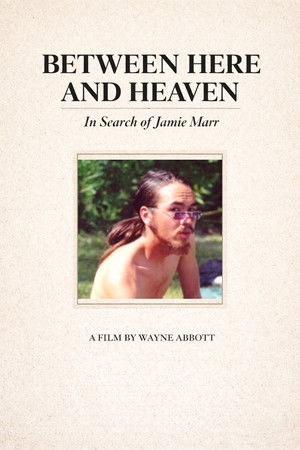
The Marr Family from Edmonton, Alberta travel to Thailand for one last search for their missing son, Jamie. This compelling documentary produced for the CBC Witness strand follows a grueling three week search into the underbelly of Thai society as they desperately try and find Jamie who disappeared 5 years earlier. This was nominated for a Gemini for the Donald Britain Award for best documentary and a Hot Doc nomination for best social political documentary. CBC.
The environmental problems caused by fracking in America have been well publicized but what's less known are the gas industry's plans for expansion in other countries. This investigation, filmed in Botswana, South Africa and North America, reveals how gas companies are quietly invading some of the most protected places on the planet.
Since 1950, Alberta's fabled Rat Patrol has kept the province rat-free. But as pest control meets ecology in the 21st century, what does the future hold for this mythic institution and their "enemy?"
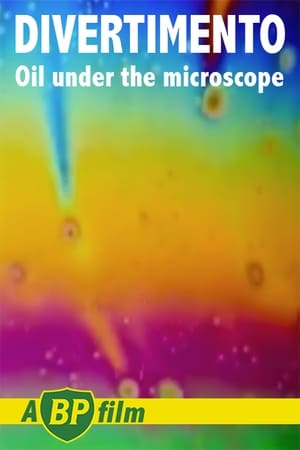
BP documentary film exploring the natural beauty of oil under the microscope, and through a variety of other techniques.
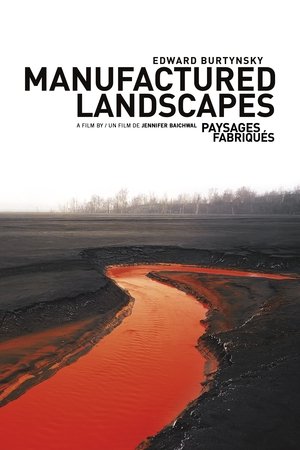
MANUFACTURED LANDSCAPES is the striking new documentary on the world and work of renowned artist Edward Burtynsky. Internationally acclaimed for his large-scale photographs of “manufactured landscapes”—quarries, recycling yards, factories, mines and dams—Burtynsky creates stunningly beautiful art from civilization’s materials and debris.
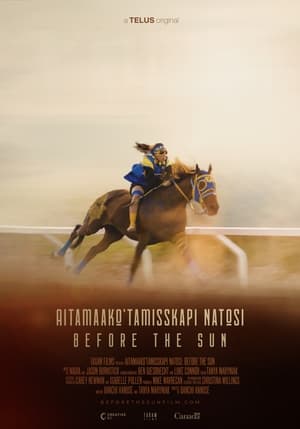
Raised on horseback in Blackfoot Territory and coached by her father, Logan Red Crow fights to become the first woman to ride the Indian Relay at the Calgary Stampede, a breathtaking, bone-breaking sport where riders vault from horse to horse at full gallop.
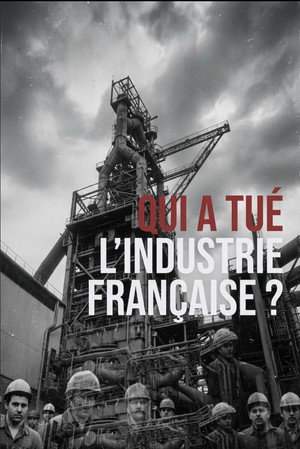
Qui a tué l'industrie française ?
Insustentável: a realidade do petróleo na Amazônia
Nos très chers animaux
A deep dive into the history of the Canadian Government and the Department of National Defence leasing First Nations reserves as practice bombing ranges during World War I and World War II. This documentary follows the Enoch Cree Nation's process of developing it's land claim against the Canadian Government following the discovery of active landmines in the heart of the nation's cultural lands and golf course in 2014, almost 70 years later.
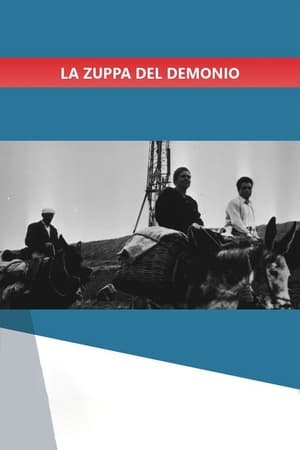
La zuppa del demonio
On the Kainai (Blood) First Nations Reserve, near Cardston, Alberta, a hopeful new development in Indigenous enterprise. Once rulers of the western plains, the Bloods live on a 1 300-square-kilometer reserve. Many have lacked gainful employment and now pin their hopes on a pre-fab factory they have built. Will the production line and work and wages fit into their cultural pattern of life? The film shows how it is working and what the owners themselves say about their venture.
PUMP is a documentary that tells the story of America’s addiction to oil, from its corporate conspiracy beginnings to its current monopoly today, and explains clearly and simply how we can end it — and finally win choice at the pump. Today, oil is our only option for transportation-fuel at the pump. Our exclusive use of it has drained our wallets, increased air pollution and sent our sons and daughters to war in faraway lands. PUMP shows how, through the use of a variety of replacement fuels, we will be able to fill up our cars — cheaper, cleaner and American made — and in the process create more jobs for a stronger, healthier economy. Narrated by Jason Bateman and featuring notable experts such as John Hofmeister former President of Shell Oil, and Elon Musk, the CEO of Tesla Motors, PUMP will forever change the way you think about your car — and the fuel that powers it.
This short dramatic film illustrates a cooperative program of fire protection that was carried out across Alberta in the late 1950s. It presents the problems inherent in a voluntary fire brigade, as well as the everyday heroes who step up and get the job done. The film is an entertaining look at how a crew that was once considered to be the joke of the town can evolve into the best fire brigade in the West.
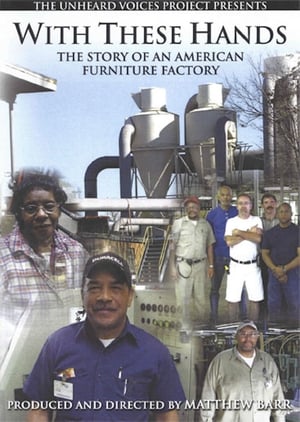
In 2007, unable to compete with cheaper offshore production, Hooker Furniture Co. closed its plant in Martinsville, Virginia, after 83 years in operation. With These Hands follows the last load of wood down the assembly line as it is cut, honed, and assembled into fine furniture. Along the way, employees at the factory share their perspectives on work, community, and survival in a country devastated by de-industrialization and outsourcing.