Valhalla
A Ghanaian maintenance technician at a Virginia retirement community dreams of becoming an American citizen to provide a better life for his family. With their future at stake, he enlists the help of two elderly residents to prepare for the biggest test of his life: the US Citizenship exam.
Life After opens the dialogue surrounding grief and how we experience it. Through conversations with Nicola Winstanley and Carmen Galavan about what grief is and how it affects us, we learn what it really means to live a life after.
A short documentary examining the consequence of time within the fragility of memory, exposing a sense of self, trapped within materiality and fantasy. We observe Chrystalla in her safe place, her home, reflecting on her childhood, her successful beauty business in 70s Cyprus and her deeply troubled marriage. Loneliness, abandonment and regret are prevailing themes within cycles of reflection, jest and contradiction.
A filmic letter to New York City, the subway, and self.
After the untimely death of his 35-year old brother, an artist explores the questions that surfaced from grief by painting 365 paintings and to spur conversation in culture.
Wanda Seux, one of Mexico’s most emblematic actresses and showgirls during the 80’s, has fallen into an abyss, dragged down by the death of her mother, her solitude, and the passage of time. Wanda, however, struggles every day to rise from that vacuum and walk through that dark tunnel into the light of plenitude.
In a decaying Soviet-era retirement home, a vibrant group of elders cling to life by staging Shakespeare. Yet loneliness lingers beyond the theater’s doors, until drama begins to blur with reality.
On the night of Oct. 2, 2005, Hart and Dana Perry's 15-year-old son Evan jumped to his death from his New York City bedroom window. This moving film is the story, told by his filmmaker parents and others who knew him, of Evan’s life and death, and his life-long struggle with bipolar disorder. It delves into the complexity of Evan's disease, sharing his family's journey through the maze of mental illness. In showing how one family deals with generations of loss and grief, the film defies the stigma related to mental illness and suicide and tells a human story that touches everyone.
Don’t Let the Sun Catch You Crying is a short meditation on love, grief, and imagination. The hand-drawn animated documentary was created through a collaboration between mother, elder and narrator Edith Almadi and filmmakers Natalie Baird and Toby Gillies. This poetic piece celebrates life and the transformative ability of art to elevate and transcend us. Through vivid drawings and Edith’s simple yet magical words, the film explores our enduring bond with loved ones who have passed. In honouring her son’s life within the cosmos, Edith’s artworks embody colours, shapes and metaphors that remind us of the timeless power of love, gravity, and grace until our final breaths.
Interviews with a dozen California centenarians against a montage of present day media reportage.
The story of three Turkish men. They all grew up in Switzerland and all got deported after various criminal offenses.
Made in Japan, Last Room is both fiction and documentary. The occupants of the love-hotels and capsule-hotels tell their own intimate, dreamlike stories, interspersed with journeys through the archipelago's landscapes. Soon, these personal stories resonate with a collective history: that of Gunkanjima, the abandoned ghost island of Nagasaki, and then that of Japan as a whole.
What is peace? What is coexistence? And what are the basis for them? PEACE is a visual-essay-like observational documentary, which contemplates these questions by observing the daily lives of people and cats in Okayama city, Japan, where life and death, acceptance and rejection are intermingled.
Night of The Broom Flower
The Director reflects upon and seeks to understand the causes and the events that lead to her drug-addicted prostitute daughter being murdered at the age of 26.
A quartet of refined elderly ladies gets together for coffee. Neatly dressed in houndstooth and pearls, they sip from elegant china and nibble on sweet cakes while discussing Viagra, cock rings, orgasms and quickies. Nothing's off the table as they reminisce about the past and revel in the sexual revolution that's come up around them, empowering their pleasure well into their twilight years.
A house. A shelter. A man the last one left in the homeland. A woman returns to her community every year. The daughters and husband who have lost all traditions. A rapper who raps in the old language. In 1990 Susanna marries Udo. Their wedding is the last one celebrated between two Saxons in their village. After that the couple emigrated like half a million of Transylvanian Saxons. After 30 years in Germany the relationship between Susi and Udo has gone stale and they haven't taught their native language to their daughters that feel just German. Georg on the other hand is proud of his identity. He hopes with his rap to spread the young generations about the heritage to make them proud of being a Saxon. This is the choral story of a family who is learning to change in order not to disappear.
Mary and Bill is a film focusing on Mary Stroebe and Bill Wambach. Mary is a 90-year-old triathlete and Bill an 83-year-old high jumper who holds the National record in his age bracket. Bill was also named "Male Athlete of the Year" by the National Congress of State Games. Mary appeared on the "Regis and Kelly Show" and as a result was nominated for and received a "Relly" award. The film follows Mary and Bill immediately after they experience serious health related problems. Mary brakes her leg while down hill skiing and Bill, who had smoked for 45 years, suffers a heart attack. Despite these physical ailments, both decide to train and compete in their respective events. Mary hopes to complete the Lifetime Fitness triathlon and Bill will attempt to win first place in high jumping at the National Senior Olympics. Through their amazing commitment, both Mary and Bill prove that age is just a number.
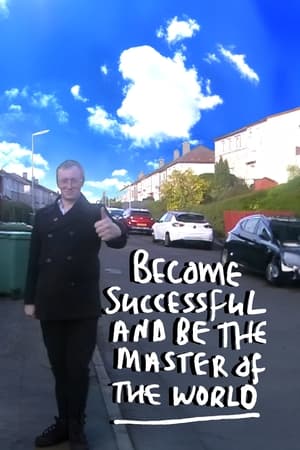
A pandemic, a time of hard lockdown, when contact with other people is severely limited. The most common means of communication are online conversations, which the director uses to talk to people who, like him, are stuck alone in their apartments.